Behind Libya’s proposal to open a direct air link with Cameroon lies a calculated push to regain a foothold in Central African aviation — and Yaoundé is responding with caution rather than haste.
Yaoundé’s measured response to Tripoli’s overture
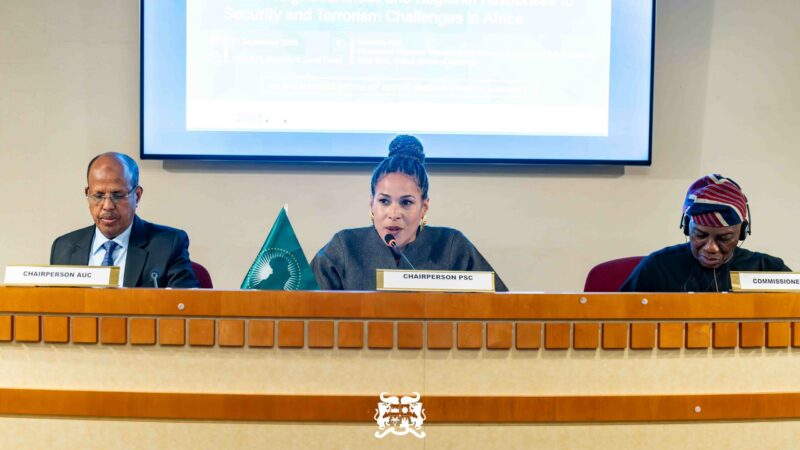
On 23 September 2026, Cameroon’s Minister of Transport, Jean Ernest Masséna Ngallè Bibehè, received a Libyan delegation led by Adel Shawi, Chargé d’affaires at the Libyan embassy in Cameroon. The talks focused on the possibility of launching an air route between the two countries.
Rather than rushing into an agreement, Cameroon proposed setting up technical working groups bringing together the relevant officials to examine in depth the various issues tied to reviving this cooperation. Both sides also agreed to intensify preliminary preparations and identify concrete pathways for implementing the project.
The strategic logic behind Libya’s aviation outreach
Cameroon has signalled its willingness to support initiatives that could strengthen air connectivity between Yaoundé and Tripoli, while also deepening economic and logistical cooperation. But the broader context matters: Libya’s aviation sector is emerging from years of isolation, and its return to African skies is as much about diplomatic re-engagement as it is about moving travellers.
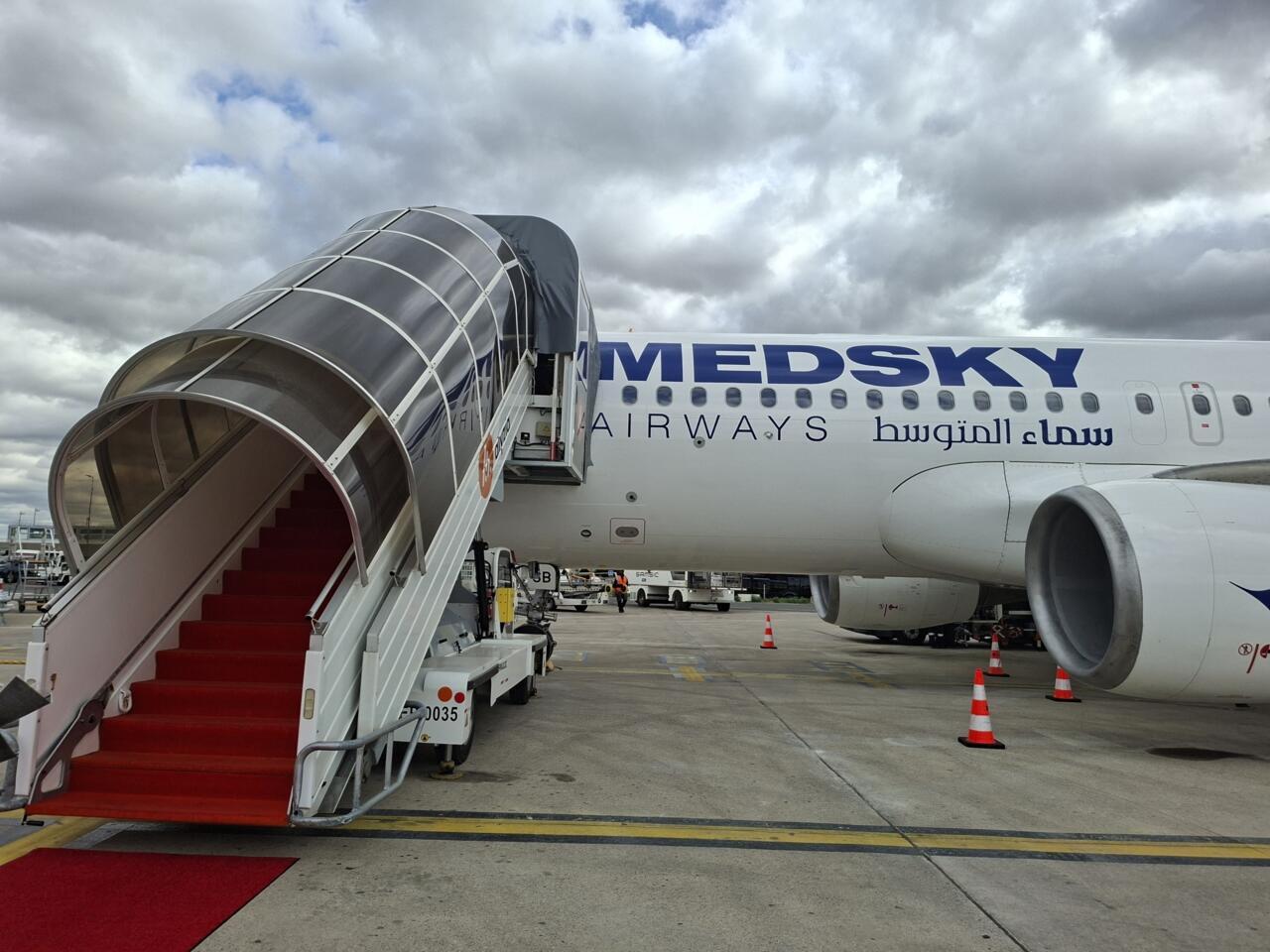
The Libyan carrier MesSky operated its first direct flight from Tripoli to Paris on 17 September 2026, with a service from Benghazi also planned. This restart comes amid a gradual reopening of the country’s airspace, even as security risks continue to weigh heavily on its aviation industry.
What this means for the future of the route
For Cameroon, the appeal is clear: a direct link could open new corridors for trade, business travel, and regional integration. For Libya, the prize is re-establishing itself as a viable aviation player after years on the sidelines.
Yet the practical hurdles remain substantial — from regulatory alignment and route economics to the lingering security concerns that have kept many international carriers away from Libyan airspace. The working groups now being set up will determine whether this proposal moves from diplomatic ambition to operational reality.