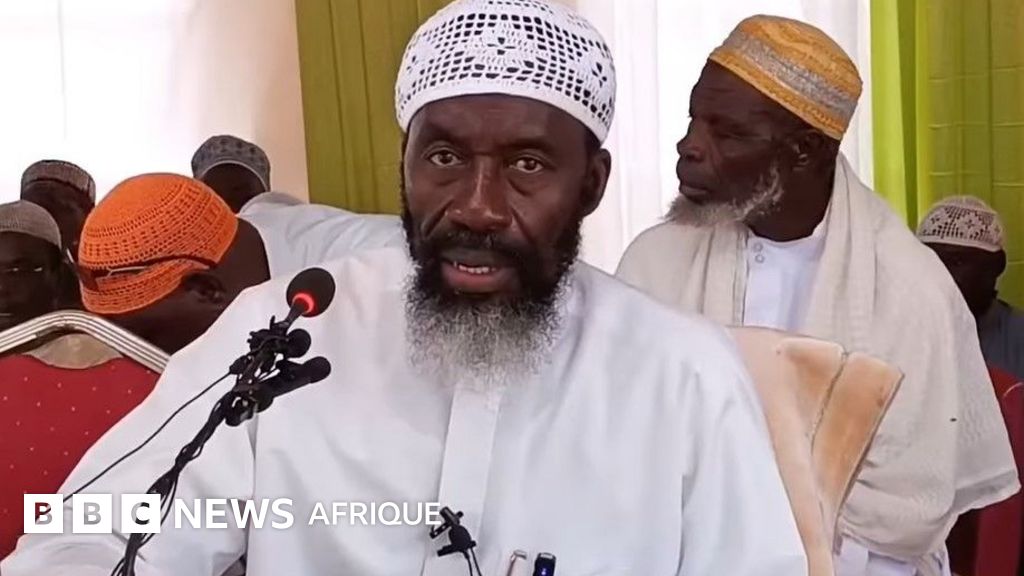
The arrest of influential Sunni imam Mohamed Ishaq Kindo in Ouagadougou has sent shockwaves through Burkina Faso. The religious leader, also president of the country’s Sunni Ulemas, was taken into custody on Tuesday, May 26, by security forces—including masked police and military personnel—just hours before the Eid al-Adha celebrations.
Controversial arrest draws community backlash
According to close associates, the operation unfolded around 2:00 PM local time, triggering immediate resistance from Kindo’s followers. Several worshippers sustained injuries in the confrontation, heightening tensions in the capital. The Federation of Islamic Associations of Burkina Faso (FAIB) swiftly issued a statement condemning the arrest, demanding transparency while initiating formal inquiries with relevant authorities.
Kindo’s detention follows his recent public criticism of a controversial religious freedoms bill passed in March. In a widely circulated audio message, he warned authorities against restricting public prayer spaces, declaring: “Beware of seeking to ban prayers in public places. Whether you’re a leader or a strongman, neither your power nor your strength matches that of God.”
Protests erupt as communities demand answers
Hours after the arrest, hundreds of demonstrators gathered in Ouagadougou, calling for Kindo’s immediate release. Security forces responded with tear gas to disperse the crowd, further escalating community anger. The FAIB urged calm, emphasizing the need for restraint amid growing frustration.
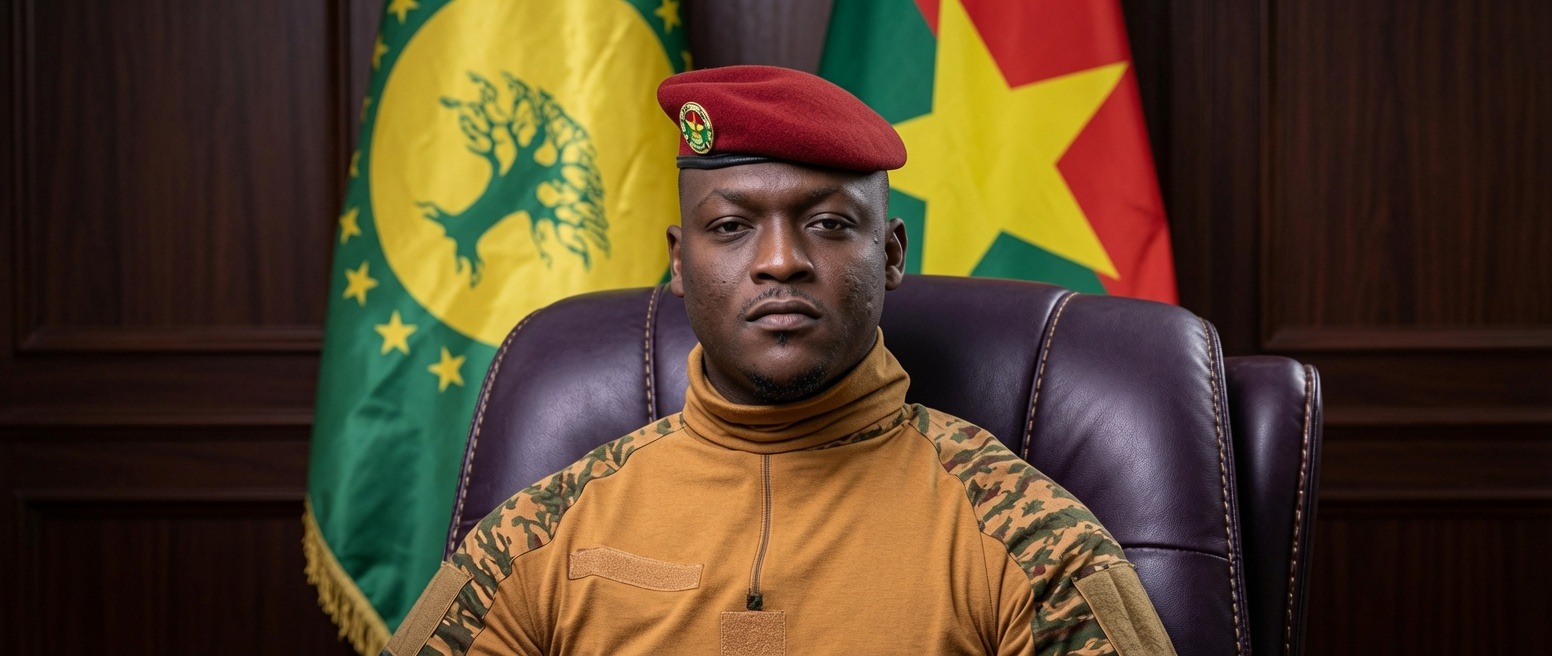
The government has remained silent on the issue, though President Ibrahim Traoré marked Eid al-Adha with a stern message to the nation. While praising security forces for their counterterrorism efforts, he warned against “any attempts to destabilize the nation” and cautioned that those who challenge state authority would face “full consequences.”
New religious law fuels debate
The disputed legislation, adopted in March, aims to regulate religious practices in Burkina Faso by addressing online hate speech and violent extremism. Key provisions include prohibiting the construction of religious buildings in public institutions—except in healthcare facilities, prisons, and military barracks—while permitting public prayers within respectful bounds.
Government officials, including Mariem Sanogo of the General Directorate of Religious, Customary, and Traditional Affairs, defended the law as necessary to combat radicalization. “This isn’t a new text but an update to address current threats,” she stated, citing online incitement and extremist rhetoric as primary concerns.
Since the military takeover in 2022, Burkina Faso has seen multiple disappearances of regime critics, with authorities attributing the crackdown to ongoing efforts against jihadist insurgencies. As the nation navigates this latest crisis, the fate of Mohamed Ishaq Kindo remains uncertain, leaving communities divided and tensions simmering.