The state of democracy in Africa: a complex landscape
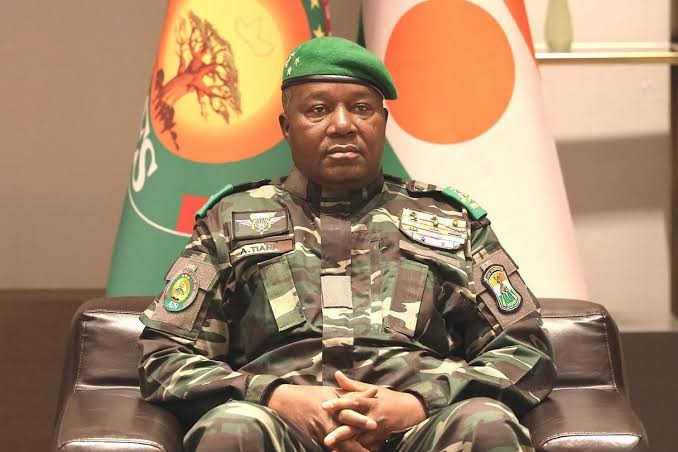
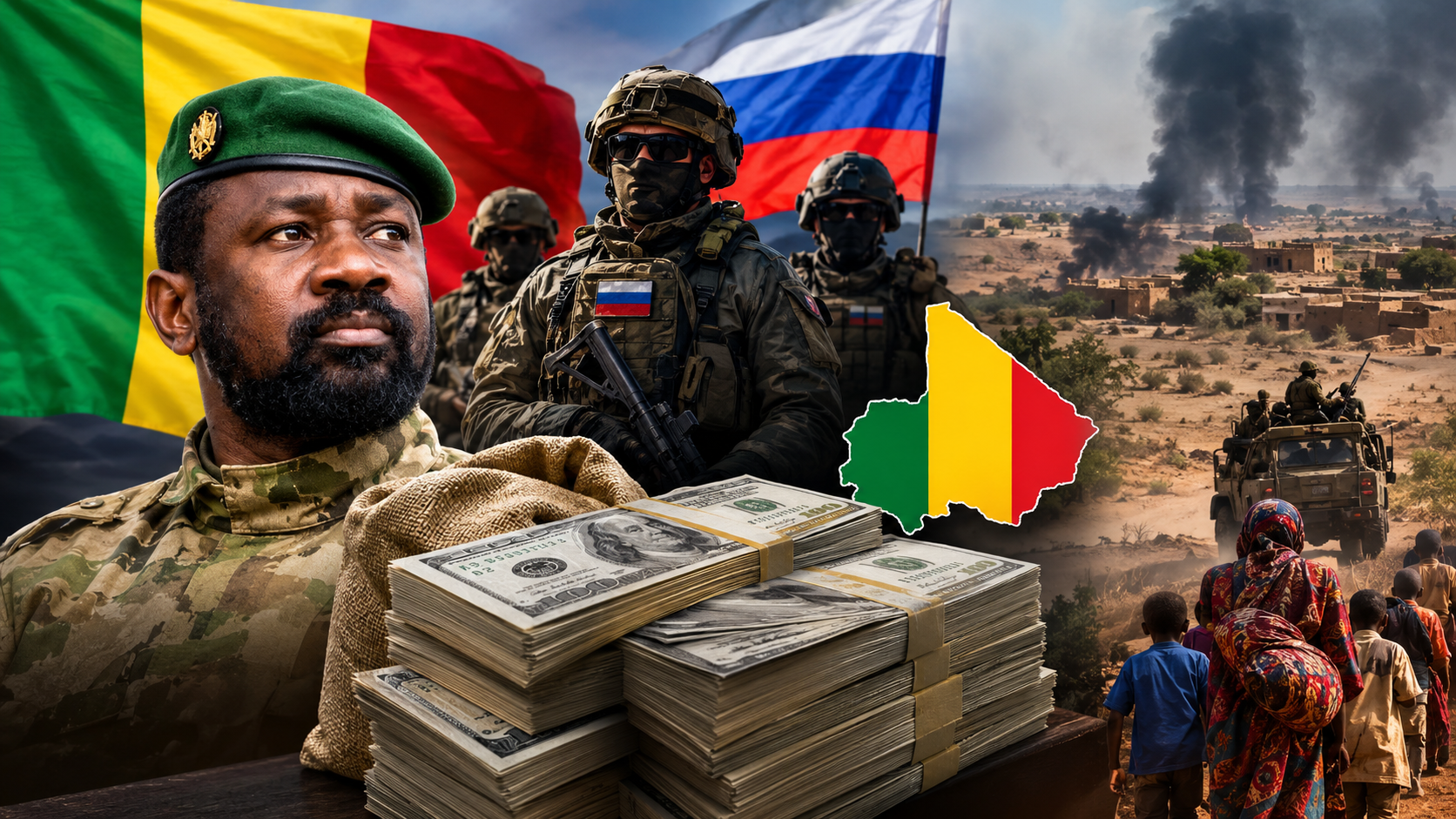
Over the past four years, Africa has witnessed a troubling surge in political instability, with nine successful coups d’état displacing democratically elected leaders. This trend has reshaped the continent’s political landscape, raising critical questions about the future of governance and institutional stability in the region.
The shift away from Western models of democracy has become increasingly evident. Many African nations are now exploring alternative governance frameworks, often described as illiberal systems, which prioritize sovereignty and self-determination over alignment with Western political norms. This movement reflects a broader reorientation toward the Global South, where shared economic and geopolitical interests are fostering new alliances.
The legacy of the 1990 La Baule speech by former French President François Mitterrand continues to influence Africa’s political trajectory. At the time, Mitterrand’s call for democratic reforms set a precedent, pressuring African governments to adopt multi-party systems and hold elections. However, decades later, the implementation of these reforms has often been uneven, leading to widespread disillusionment and, in some cases, outright rejection of Western-style democracy.
Key factors shaping Africa’s democratic challenges
- Economic pressures: Many nations face crippling debt and economic stagnation, which can undermine democratic institutions and fuel public dissatisfaction with elected governments.
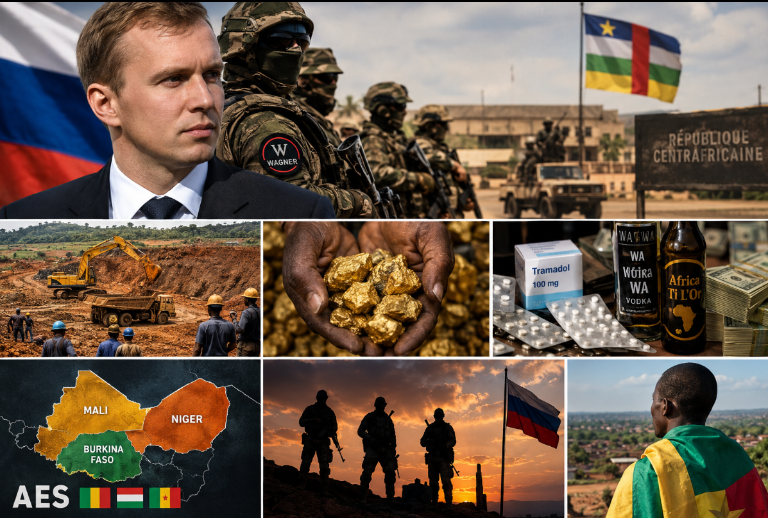
- Geopolitical realignments: The growing influence of non-Western powers, such as China and Russia, has provided African governments with alternative partners, reducing reliance on traditional Western allies and their democratic expectations.
- Public skepticism: In several countries, citizens have grown disillusioned with democracy due to corruption, weak institutions, and unfulfilled promises, making them more receptive to alternative governance models.
What lies ahead for Africa’s political future?
As Africa navigates this period of transformation, the balance between sovereignty and democratic principles remains precarious. While some nations are doubling down on democratic reforms, others are embracing illiberal models in pursuit of stability and self-governance. The coming years will be pivotal in determining whether Africa can forge a path that aligns with its unique challenges and aspirations.