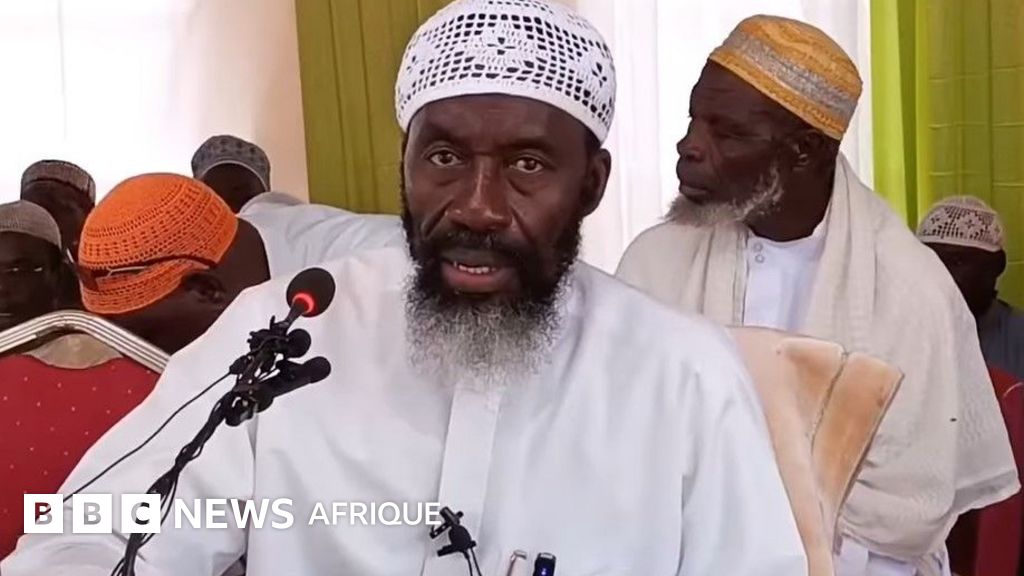
The capital of Burkina Faso is in turmoil after the high-profile detention of Sunni imam Mohamad Ishaq Kindo, a prominent religious leader whose arrest has sparked sharp reactions across the country. The influential preacher was taken into custody in Ouagadougou on Tuesday, May 26, by a contingent of security forces—including masked police officers and military personnel—just two days after publicly criticizing a controversial religious freedoms bill adopted on March 19.
authorities remain silent as tensions rise
The Federation of Islamic Associations of Burkina (FAIB), of which Kindo serves as president of the Sunni Ulemas, released a statement hours after the arrest, revealing that the motives behind the operation have not been disclosed. The organization has since initiated formal inquiries with competent authorities to secure precise information and favorable outcomes for the detained cleric.
Meanwhile, eyewitnesses described the operation as highly confrontational. The arrest occurred around 2:00 PM local time, the day before the Eid al-Adha celebrations, as masked security personnel forcibly removed Kindo from a gathering of his followers. The intervention triggered immediate resistance from the crowd, resulting in clashes that left several worshippers injured.
Just two days prior to his detention, a widely circulated video showed Kindo delivering a sermon in which he condemned the newly adopted religious freedoms bill, urging authorities to reconsider the implications of their actions. Among his remarks, he warned, “No individual—whether a leader or a powerful figure—possesses the authority to suppress public prayers. The strength of God surpasses all human power.”
protests erupt as community demands justice
Within hours of Kindo’s arrest, hundreds of supporters gathered in Ouagadougou to demand his immediate release. The demonstration, however, was swiftly dispersed using tear gas, according to a protester who spoke on condition of anonymity. In response, the FAIB called on the Muslim community to remain calm and refrain from escalating tensions.
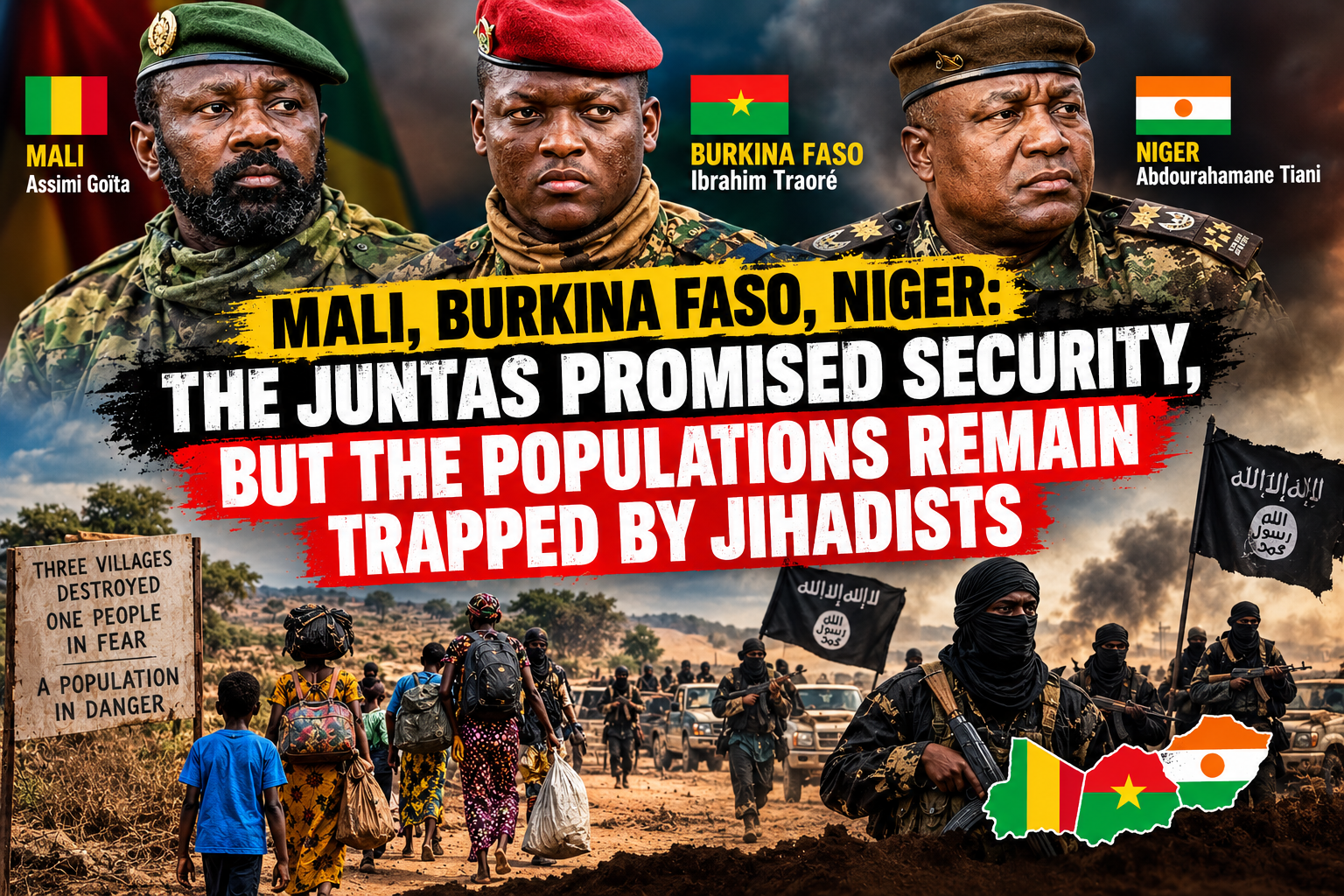
As the country celebrated Eid al-Adha the following day, the whereabouts of the imam remained unknown. Burkina Faso’s transitional leader, Captain Ibrahim Traoré, took to social media to praise the security forces battling jihadist insurgencies while issuing a stern warning to those he described as “enemies of the nation.” He emphasized that anyone attempting to destabilize the country or undermine the morale of its defenders would face “full accountability for their actions.” To date, no official statement has been issued regarding Kindo’s detention.
what does the controversial religious freedoms law entail?
The religious freedoms bill, adopted by the Council of Ministers on March 19, aims to regulate religious practices in Burkina Faso to curb online extremism, hate speech, and other forms of radicalization. Mariam Sanogo, Director General of Religious, Customary, and Traditional Affairs, defended the law as a necessary update in response to rising violent extremism and digital incitement. The text also prohibits the construction of places of worship within public institutions—excluding healthcare facilities, prisons, and military barracks—citing the state’s inability to accommodate all religious denominations equally.
Despite assurances that public prayer remains permissible within respectful boundaries, critics argue the law disproportionately targets religious leaders who challenge government policies. Since the military takeover in 2022, Burkina Faso has witnessed a series of high-profile detentions and disappearances of dissenting voices, all justified by the government as measures to combat jihadist threats plaguing much of the nation.
With the country under military rule for nearly four years, the arrest of Imam Kindo has intensified debates over religious freedom, state secularism, and the limits of dissent in Burkina Faso.