Benin’s bold plan to revive agriculture and soil health with food systems
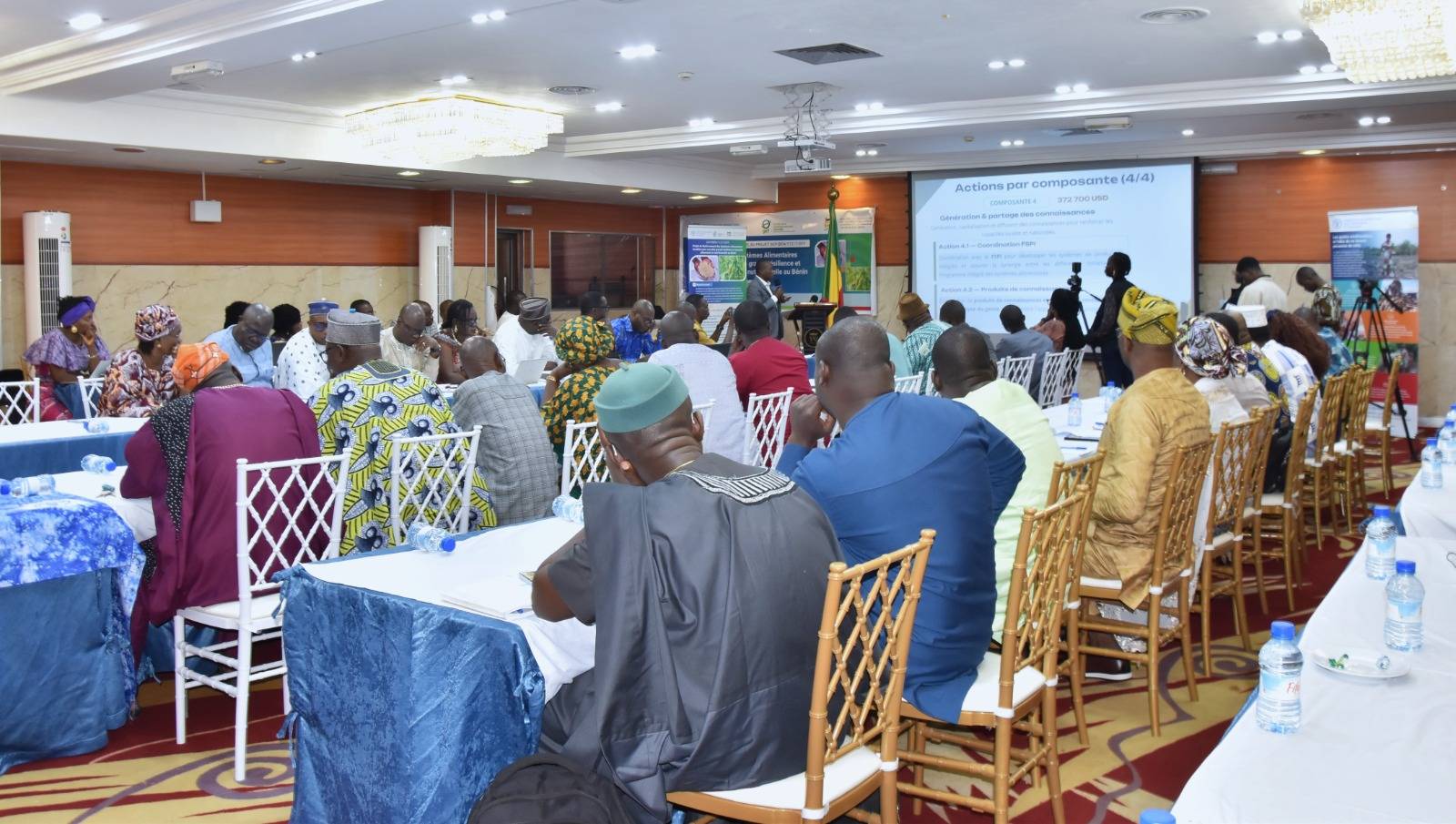
In a decisive move to counter the relentless degradation of farmland threatening the nation’s food security and economic stability, the Bénin government, in collaboration with the Food and Agriculture Organization (FAO) and the Global Environment Facility (GEF), has launched the ambitious Food Systems initiative. With an injection of over 20 million dollars, this transformative program is designed to rejuvenate depleted soils and revolutionize the maize and rice value chains by 2030.
declining soil fertility: a ticking time bomb for the economy
The agricultural sector is the backbone of Bénin, contributing 26% to the national GDP, generating 70% of employment, and accounting for 80% of export earnings. Yet this vital sector is under severe strain due to the accelerating decline in soil fertility, a crisis now reaching alarming levels. Speaking at the launch event held at the Bénin Royal Hotel in Cotonou, the Minister of Agriculture, Livestock, and Fisheries, Adin Yeton Bloukounon Goubalan, painted a stark picture of the situation. He emphasized that impoverished soils are directly linked to shrinking agricultural yields, trapping rural farmers in a cycle of poverty.
« When soil health fails, so does our agriculture. This creates a vicious cycle that pushes our producers deeper into hardship, » declared the minister in front of an audience of agricultural leaders and institutional partners.
Official data underscores the severity of the issue. A recent national study reveals that nearly 40% of the Bénin population—over 5 million people—are affected by land degradation. Even more troubling, 38% of the country’s total land area is now classified as degraded. The consequences are dire: a 50% drop in agricultural productivity strips rural communities of essential ecosystem services such as clean water and food security, exacerbating poverty across the nation.
food systems: a holistic leap forward for sustainable agriculture
Recognizing the urgency of the crisis, the Bénin government, supported by the FAO and GEF, introduced a comprehensive solution: the Food Systems initiative. This project is not merely a Band-Aid solution; it represents a systemic overhaul of the country’s agricultural framework.
The program’s core mission is to modernize public policies, refine production techniques, and enhance market access for farmers. It zeroes in on two staple crops—maize and rice—both critical to rural and urban diets. The goal is to transition these value chains from low-productivity, environmentally harmful models to high-efficiency, sustainable systems that deliver tangible socio-economic benefits.
targeted funding for measurable impact
To drive this agroecological transformation, significant financial and technical resources have been deployed. The project boasts a total budget of 20,766,207 dollars, funded through a tripartite partnership. The Global Environment Facility contributes 5,966,207 dollars, while the Bénin government provides 14,800,000 dollars as national co-financing.
The initiative’s implementation phase, set to run until 2030, will focus on five strategic municipalities: Karimama, Malanville, Glazoué, Kétou, and Les Aguégués. The anticipated outcomes are substantial: restoring 20,000 hectares of degraded land and promoting sustainable farming practices across 114,900 hectares. The project is expected to directly benefit 36,000 farmers and indirectly impact nearly 356,000 people in the targeted regions.
collaboration and precision: the keys to success
While the project’s goals have sparked optimism, its leaders are acutely aware of the operational challenges ahead. Minister Adin Yeton Bloukounon Goubalan has urged technical teams to exercise extreme caution when selecting soil restoration technologies, stressing that the success of the program hinges on the effectiveness of these methods when deployed at scale.
Highlighting the need for collective commitment, the FAO Resident Representative in Bénin, Paul-Henri Zoéwindé Bouda, noted:
« Technology alone cannot guarantee success. The project’s triumph will depend on the full engagement of all stakeholders, from implementing agencies to the farmers on the ground. »
building a resilient future for Benin
By addressing the root cause of the crisis—soil degradation—the Food Systems initiative lays the groundwork for a more food-secure and economically resilient Bénin. If the 2030 targets are met, the country could not only secure its rice and maize supplies but also set a replicable model for ecological transition across the region.