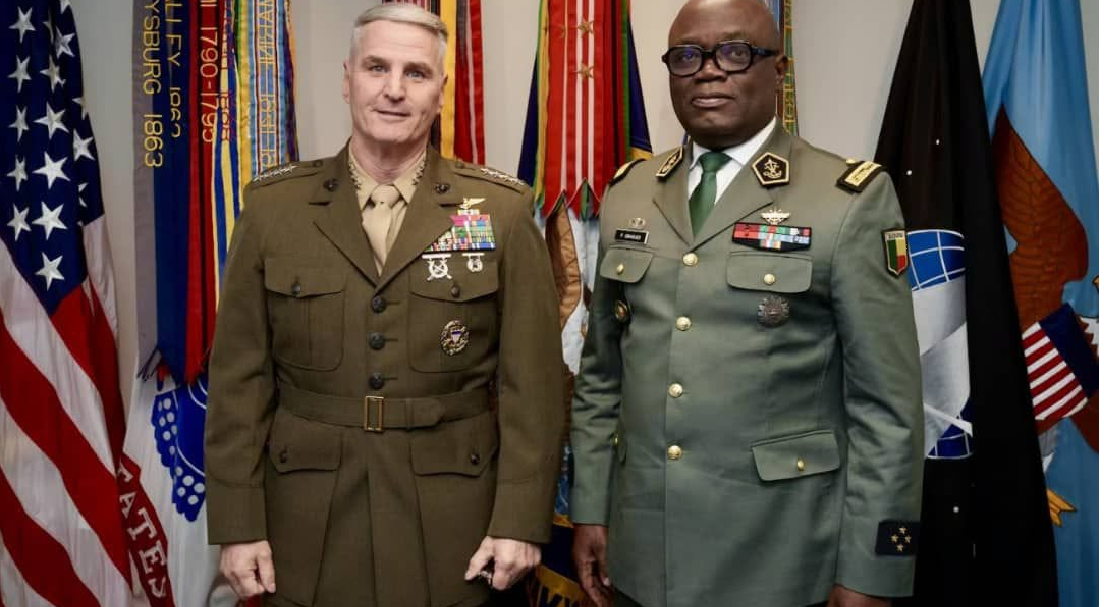
The Bénin Armed Forces are sharpening their edge. In Washington, General Fructueux Gbaguidi, Chief of Staff of the Bénin Armed Forces, met with U.S. General Christopher J. Mahoney at the Pentagon to deepen a partnership that is fast becoming a cornerstone of West African security.
This high-level dialogue, held on August 25, 2026, was more than symbolic. It reflected Cotonou’s commitment to building a strong, self-reliant defense while leveraging international support. Official statements from U.S. military leadership highlighted the “robust and enduring” nature of security cooperation between the two nations, with a clear emphasis on shared threats, joint initiatives, and AFRICOM-backed assistance.
Why Washington sees Cotonou as a key partner
The Pentagon’s assessment is telling: a safe, stable, and democratic Bénin is vital to regional peace. This framing ties security directly to governance—a message that resonates strongly in a region where political instability often fuels insurgency.
Bénin’s military leadership has made a strategic shift: instead of waiting for threats to reach urban centers, the country is proactively strengthening its forces, intelligence networks, and territorial presence. The logic is clear—in a transnational asymmetric war, no nation can afford to act alone. Border surveillance, troop mobility, training, equipment, and operational cooperation are now non-negotiable priorities.
Beyond the U.S.: the power of diversified alliances
Cotonou’s approach is not monolithic. While ties with Washington are deepening, Bénin is also expanding military cooperation with African partners. In May 2025, a joint commission with South Africa focused on countering asymmetric threats. With Nigeria, cross-border mechanisms have been reinforced to bolster community resilience against terrorism and crime.
This diversification isn’t just diplomatic flexibility—it’s operational necessity. Terrorist groups do not respect borders, and neither should security responses. By engaging multiple allies, Bénin ensures it is not overdependent on any single partner while maintaining channels for dialogue with neighbors.
The democratic edge in a fractured region
In a Sahel marred by coups and institutional instability, Bénin stands out for its democratic resilience. Its commitment to peaceful transitions and strong institutions has earned trust from Western partners, who see it as both a military ally and a stabilizing force. The U.S. statement tying security, stability, and democracy underscores this perception—Cotonou is not just a security partner, but a model.
This political capital matters. It allows Bénin to maintain open doors with Western capitals, African states, and regional organizations, positioning itself as a bridge in a divided landscape.
The AES dilemma: missed opportunities at the border
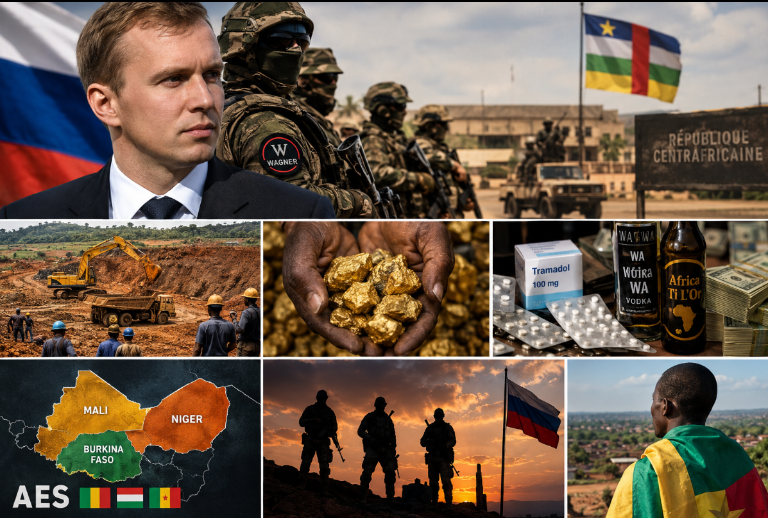
The paradox is striking. While armed groups move freely across borders, security cooperation between Bénin and the Alliance of Sahel States (AES)—Burkina Faso, Mali, and Niger—remains weak. Yet, in June 2026, Bénin’s President Romuald Wadagni traveled to Ouagadougou to reaffirm willingness to collaborate on counter-terrorism and cross-border crime. Burkina Faso reciprocated, calling for a “revitalization” of bilateral ties.
The obstacle isn’t Bénin’s openness—it’s persistent political distrust from AES leadership. While these states have built their own unified security architecture, their refusal to engage with neighbors like Bénin creates collective vulnerability. Intelligence sharing, joint patrols, and coordinated military alerts are urgently needed, but political posturing often trumps operational necessity.
The cost of non-cooperation
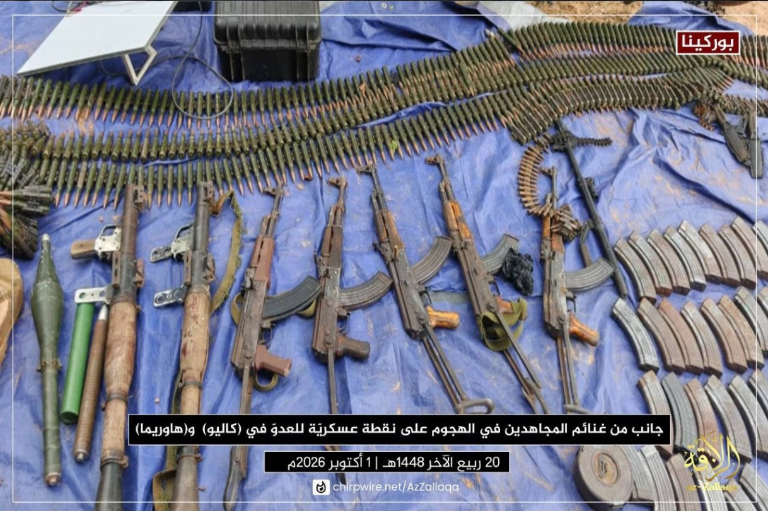
Northern Bénin remains exposed to incursions from Sahelian militant groups. France and the Netherlands maintain high alert levels along the Burkina Faso and Niger borders, underscoring the shared threat. Yet, without cooperation, no capital can secure itself alone.
Bénin has chosen diversification. The U.S. recognizes its value. The AES has prioritized internal cohesion. The next step must be convergence—turning these parallel efforts into a unified front against a common enemy.
What comes next for Cotonou and Washington
The Pentagon talks have set the stage: the U.S. will continue supporting a Bénin that is secure, stable, and democratic, with AFRICOM at the forefront of joint initiatives. For Cotonou, the challenge is translating these partnerships into tangible capabilities—more intelligence, better surveillance, enhanced mobility, and tighter coordination.
The ultimate success, however, lies in reviving neighborly cooperation. Terrorism doesn’t ask for visas, and neither should security strategies. Bénin has made its choice. The question now is whether the AES will prioritize collective defense over political divisions—and whether the region can afford not to.