Niamey hosts the launch of a regional assembly in the Sahel
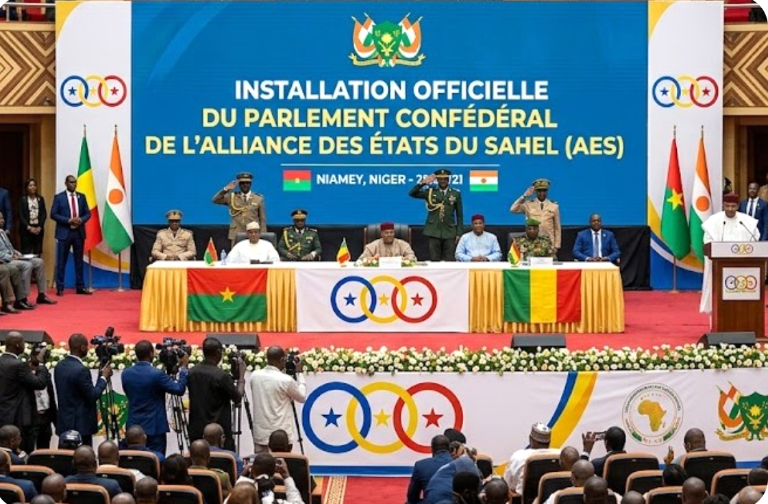
The Alliance of Sahel States (AES) has taken a symbolic step forward with the inauguration of its parliamentary body in Niamey. Yet beneath the formal ceremony lies a pressing question: can regional integration thrive without democratic foundations, political pluralism, or genuine popular endorsement?
By late August 2026, delegates from Burkina Faso, Mali, and Niger had convened to establish the AES Confederal Parliament. Comprising 45 members—15 from each nation—this new institution has already adopted its internal regulations and launched three key committees focused on defense, diplomacy, and development.
A familiar institutional framework
The Parliament’s structure closely resembles that of the Economic Community of West African States (ECOWAS), a fact that raises eyebrows. After severing ties with ECOWAS, the AES now replicates many of its predecessor’s mechanisms: a confederal framework, shared political organs, and a regional assembly tasked with addressing citizen concerns.
While the ECOWAS Parliament boasts 115 seats and aims for direct universal suffrage, the AES version limits representation to 45 members, mirroring the same principle of regional assembly-driven integration. The critical difference, however, lies not in design but in legitimacy.
Representation without elections: a flawed foundation?
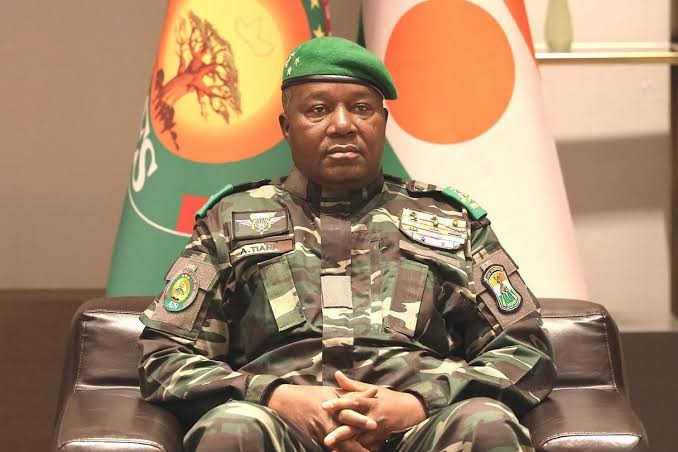
The AES Parliament emerges in three nations governed by military regimes—Mali since 2020-2021, Burkina Faso since 2022, and Niger since 2023—where promised transitions have stalled. The postponement of elections and suppression of political opposition have raised doubts about the new assembly’s representativeness.
In Burkina Faso, military leader Ibrahim Traoré has openly dismissed democracy as incompatible with the nation’s needs, dissolving political parties and indefinitely postponing polls. In Mali, successive coups have entrenched military rule, delaying elections originally scheduled for 2024.
How can a Parliament claim to speak for the people when its members derive their mandate from unelected authorities? The risk is clear: a hollow democracy where institutions operate without the consent of those they claim to represent.
The citizen’s voice remains unheard
While AES leaders tout sovereignty as a guiding principle, the concept risks being reduced to mere rhetoric. True sovereignty must extend beyond opposition to external influence to include the freedom of citizens to choose their leaders and hold them accountable.
In the AES region, democratic space is shrinking. Political parties are banned or sidelined, civil society faces restrictions, and media freedom is under threat. These realities challenge the notion that the new Parliament can genuinely reflect the will of the people.
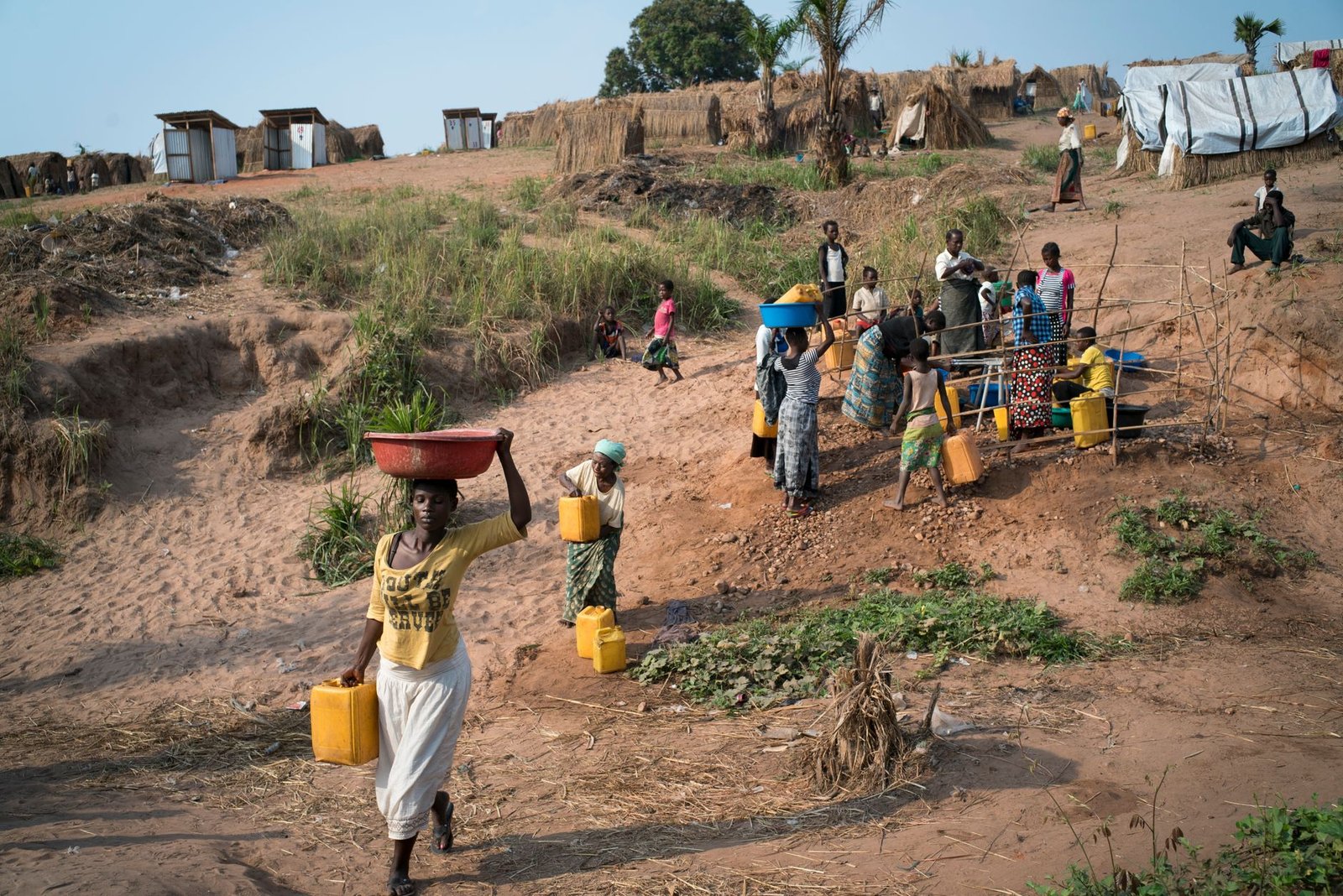
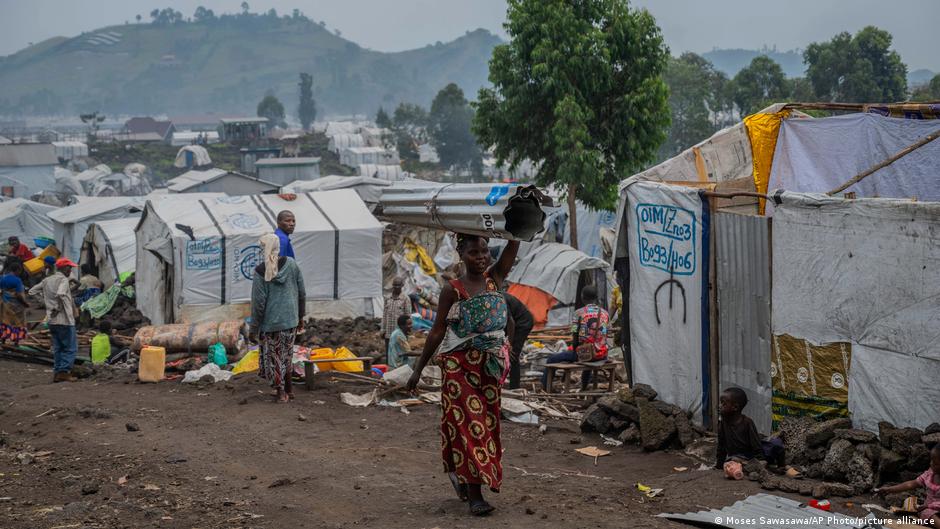
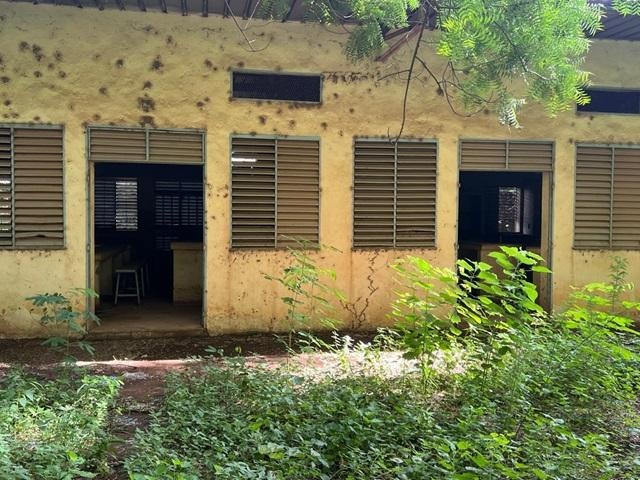
The daily struggles of Sahelian communities—rising insecurity, displacement, poverty, and collapsing public services—demand urgent solutions. Yet institutional innovations alone cannot address these crises. A Parliament without real democratic roots offers little more than symbolic progress.
From critique to replication: a paradoxical path
The AES was born from criticism of ECOWAS, accused of overreach and misalignment with Sahelian interests. Ironically, its new Parliament replicates ECOWAS structures while eroding democratic safeguards.
Why not surpass ECOWAS by ensuring direct citizen elections, robust protections for public freedoms, and constitutional guarantees for multiparty democracy, press freedom, and judicial independence? The opportunity for a true institutional revolution still exists.
Instead, the AES risks creating a bureaucratic facsimile—one where ceremonies and commissions replace genuine democratic engagement.
Togo’s shifting role in regional dynamics
Though not an AES member, Togo’s political trajectory warrants scrutiny. President Faure Gnassingbé, in power since 2005, has consolidated executive authority through a 2024 constitutional reform. Critics argue this shift—placing a prime minister at the helm—is a maneuver to prolong his rule.
Public dissent has met with repression. In 2025, constitutional reform protests turned deadly, with reports of social media blackouts and arrests. In mid-2026, demonstrators continued to demand a return to the previous constitutional order, citing the concentration of power under Gnassingbé’s leadership.
Further concerns arose in mid-2026 with the detention of two French journalists, reigniting fears over media repression in a country where international broadcasters have faced bans since 2025.Togo is no longer a passive observer but an active participant in West Africa’s evolving political landscape—one whose democratic deficits raise questions about its alignment with the AES.
The ultimate test: democracy or institutional façade?
The AES Parliament may mark a historic moment, but its legacy will hinge on whether it serves the people or merely entrenches military rule. A Parliament, no matter how elaborate, cannot substitute for democracy. Citizens must have the power to elect, scrutinize, and replace their representatives.
The AES faces a choice: will it build a Confederation rooted in popular sovereignty and accountability, or will it become an instrument to legitimize unelected authorities under the guise of regional integration?
The answer will define not only the AES’s future but the very meaning of sovereignty in the Sahel.