Senegal, Middle East conflict and FIFA World Cup 2026
This week’s discussion examines Senegal’s evolving political landscape alongside global tensions and the upcoming FIFA World Cup 2026.
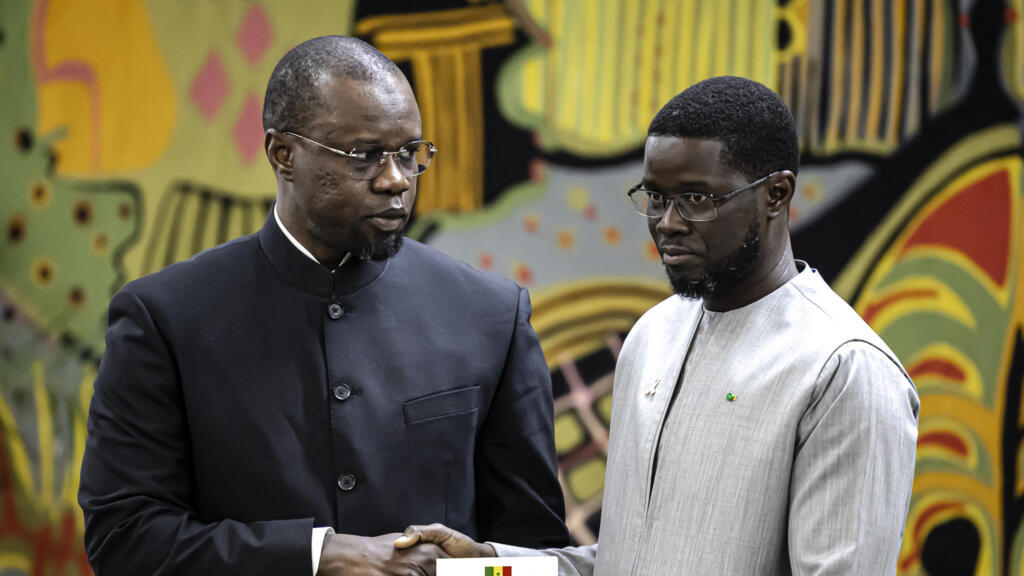
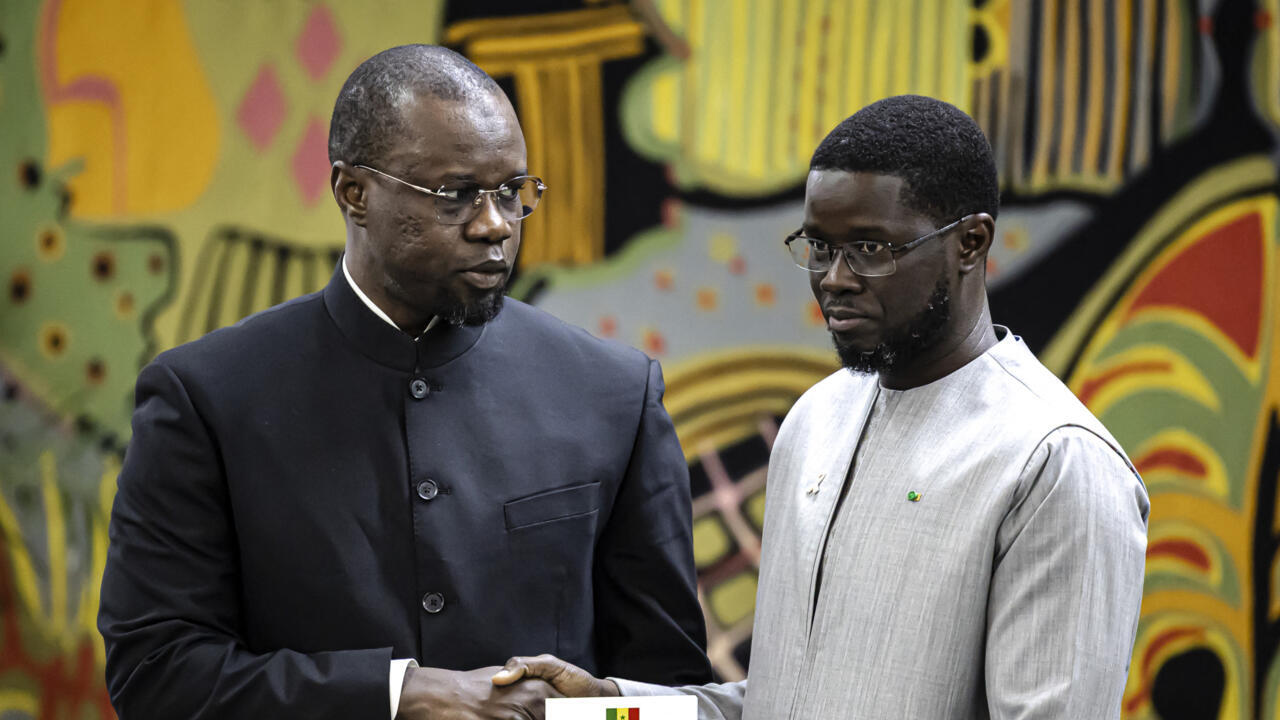
Senegal finds itself at a pivotal moment as President Bassirou Diomaye Faye navigates domestic political challenges while addressing international crises. The formation of a new presidential party and the constitutional reform struck down by the Constitutional Council—spearheaded by the majority parliamentary group of Pastef led by Ousmane Sonko—have set the stage for intense political maneuvering.
The question now is whether these strategic moves will succeed in bridging divides with the opposition and winning over public opinion in Senegal. The coming months will reveal whether the government’s approach can unite a divided nation ahead of key national and international events.
Middle East tensions escalate amid shifting alliances
Meanwhile, the Middle East remains a powder keg as recent retaliatory strikes have intensified following Iran’s aggressive posturing. Former US President Donald Trump’s recent declaration that the ceasefire is ‘over’ signals a dangerous shift toward potential military escalation.
Washington’s dismissive stance toward diplomacy with Tehran—dismissing talks as ‘a waste of time’—raises concerns about a possible new phase of military confrontation in the region. The international community watches closely as these developments threaten to destabilize an already volatile geopolitical landscape.
Weekly analysis from African perspectives
Each week, leading African journalists and commentators dissect pressing issues shaping both the continent and the wider world. This week’s panel includes:
- Wuldath Mama, Beninese investigative journalist specializing in international affairs
- Eric Topona, Chadian journalist with Deutsche Welle’s Francophone Africa desk
- François Hiondi Nkam, veteran reporter and Economics editor at Cameroon’s Le Jour newspaper