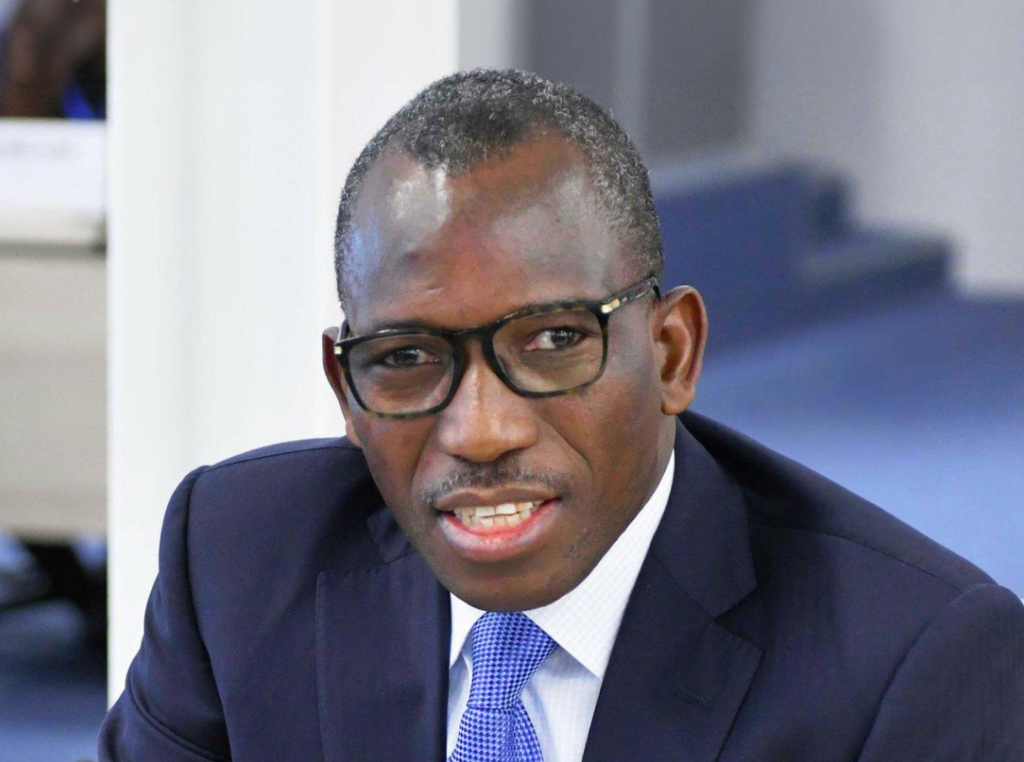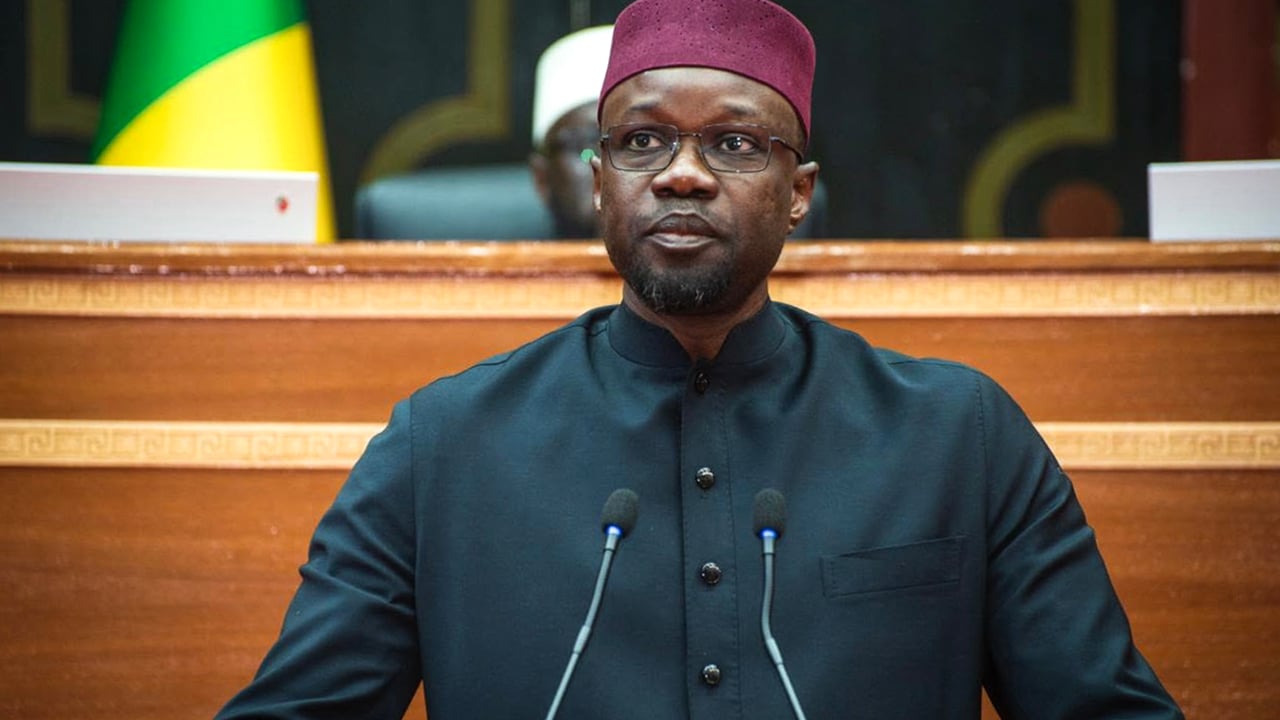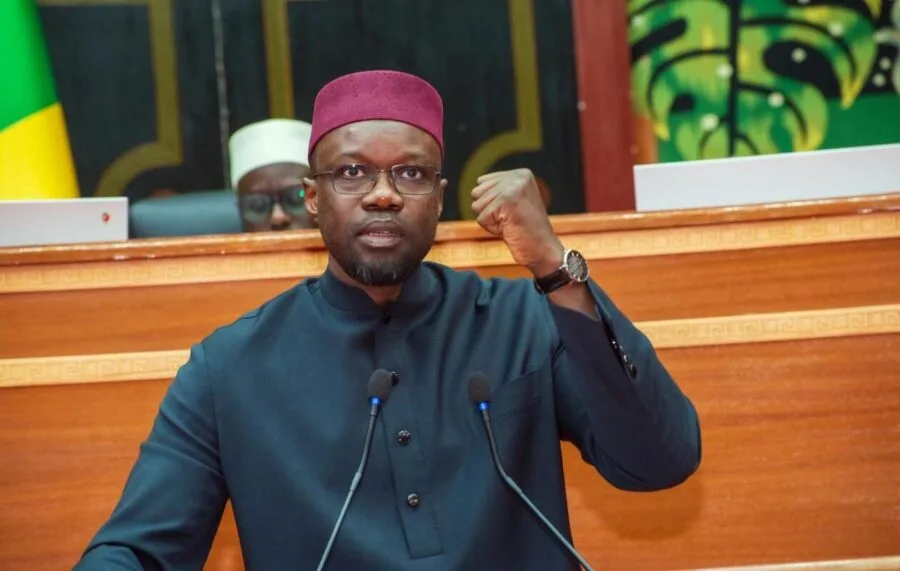
Dakar, May 22, 2026 — The Prime Minister of Senegal, Ousmane Sonko, is set to face a critical session of parliamentary questions at the National Assembly, a constitutional exercise that has evolved into a high-stakes political arena. The upcoming meeting, scheduled for this Friday, promises intense exchanges on pressing national issues, from electoral reforms to economic policies.
Political tensions set the stage for friday’s session
The atmosphere in the parliamentary chamber reflects the broader national mood, charged with anticipation and political rivalry. The opposition continues to voice strong criticism against the government’s proposed electoral code changes, labeling them as partisan maneuvers designed to favor the ruling party. These accusations have intensified debates about fairness and transparency in Senegal’s democratic processes.
Beyond the electoral law, institutional reforms announced by the government are under scrutiny. While authorities argue these changes aim to modernize governance and strengthen democratic mechanisms, opposition leaders demand greater inclusivity, warning against reforms that could be perceived as one-sided. Sonko’s presence in parliament offers a platform to clarify the government’s stance on these contentious issues.
Economic and social priorities dominate public discourse
The Prime Minister’s appearance comes at a time when Senegalese citizens are grappling with soaring living costs, youth unemployment, and infrastructure challenges. Public concerns over budgetary priorities and agricultural policies also loom large. These pressing matters will undoubtedly shape the dialogue between lawmakers and the Prime Minister, as the government faces pressure to deliver tangible solutions.
Regional dynamics, particularly developments in neighboring Mali, are also expected to feature in the discussions. The government’s approach to regional security and diplomatic negotiations will likely be scrutinized, adding another layer to the already complex agenda.
Balancing leadership with party expectations
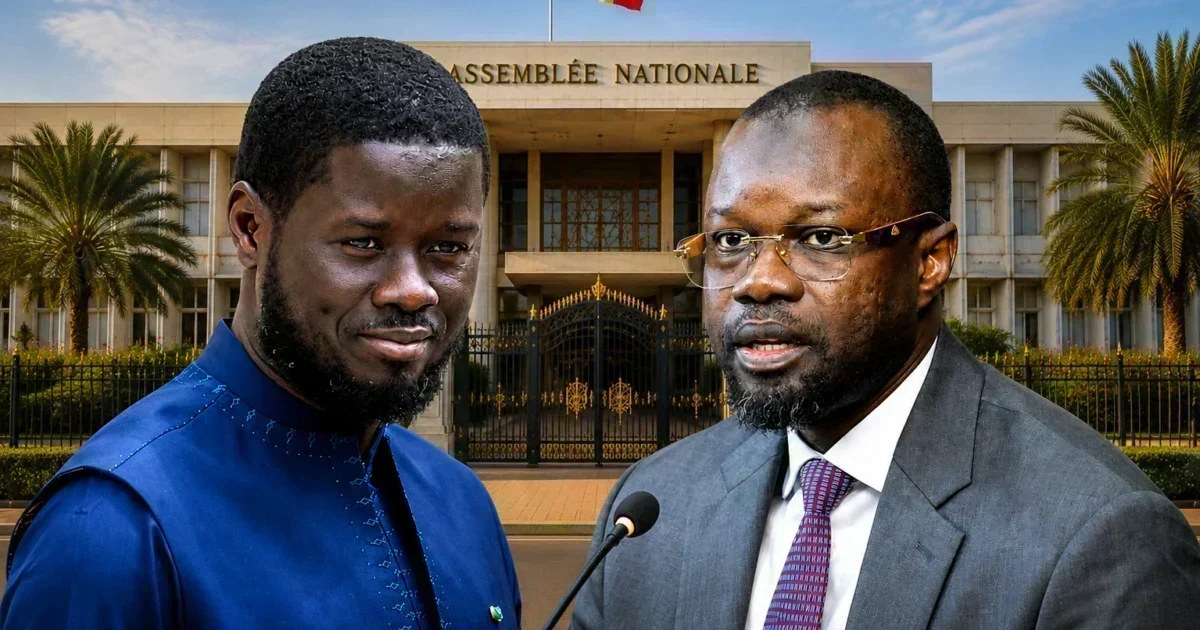
The session arrives at a pivotal moment for Sonko, who has been navigating the delicate balance between his role as Prime Minister and his leadership of the ruling Pastef party. Recent remarks by President Bassirou Diomaye Faye have fueled speculation about the relationship between the executive and the party, prompting calls for greater clarity on governance priorities.
Sonko’s response to these political undercurrents will be closely watched. The Prime Minister may also address persistent rumors regarding his potential resignation, a topic that has dominated political conversations in recent weeks. By addressing these concerns directly, he could reinforce public confidence in his leadership.
Accountability and the road ahead
With local elections and the 2029 presidential race on the horizon, the stakes of Friday’s session extend beyond immediate policy debates. The Prime Minister’s performance in parliament will serve as a litmus test for the government’s ability to address national grievances and maintain political cohesion ahead of future electoral challenges.
As Senegal’s political and economic landscape continues to evolve, the outcomes of this parliamentary exchange could set the tone for the remainder of the administration’s term. The Prime Minister’s ability to articulate a clear vision and respond decisively to lawmakers’ inquiries will be crucial in shaping public perception and navigating the challenges ahead.