The judicial calendar in Senegal is taking shape with a landmark date set for accountability. The High Court of Justice has scheduled the trial of Aïssatou Sophie Gladima, a former minister of Mines and Geology under former President Macky Sall, to begin on July 22. Gladima, who has been under provisional detention for months, will face this exceptional court reserved for high-ranking officials accused of misconduct during their tenure. This marks a pivotal moment in the accountability drive spearheaded by Dakar’s new leadership.
Rarely invoked judicial body
The High Court of Justice holds a unique position in Senegal‘s legal framework. Composed of lawmakers elected by their peers, it is the sole authority empowered to try ministers for alleged crimes or offenses committed in the course of their official duties. Its use remains uncommon: since independence, only a handful of cases have reached this stage, lending each hearing heightened political significance beyond the legal proceedings themselves.
Gladima’s case is part of this brief yet impactful history. Her file was forwarded by the National Assembly following a vote to authorize her indictment, a mandatory step before a case can proceed. The investigation has since advanced, and the transfer to the trial chamber signals the shift to public proceedings. The hearings are expected to draw close scrutiny from stakeholders in the extractive sector, given the strategic importance of mining to Senegal‘s economy.
Accountability as a cornerstone of governance
Since the inauguration of President Bassirou Diomaye Faye and Prime Minister Ousmane Sonko in 2024, the executive branch has prioritized the investigation of alleged embezzlement and corruption. Multiple former ministers, public enterprise directors, and senior officials from the Sall administration have faced detention, questioning, or imprisonment. Gladima’s case fits into this broader pattern, alongside other investigations led by the Financial Judicial Pole or the High Court, depending on the accused’s status.
Gladima served as Mines and Geology minister from 2019 to 2022, a period marked by efforts to develop the country’s gold sector and lay the groundwork for offshore hydrocarbon production. The inquiry reportedly focuses on the management of public funds and decisions made during her tenure. As of now, the presumption of innocence applies, and the defense has not disclosed its courtroom strategy.
Message to mining investors
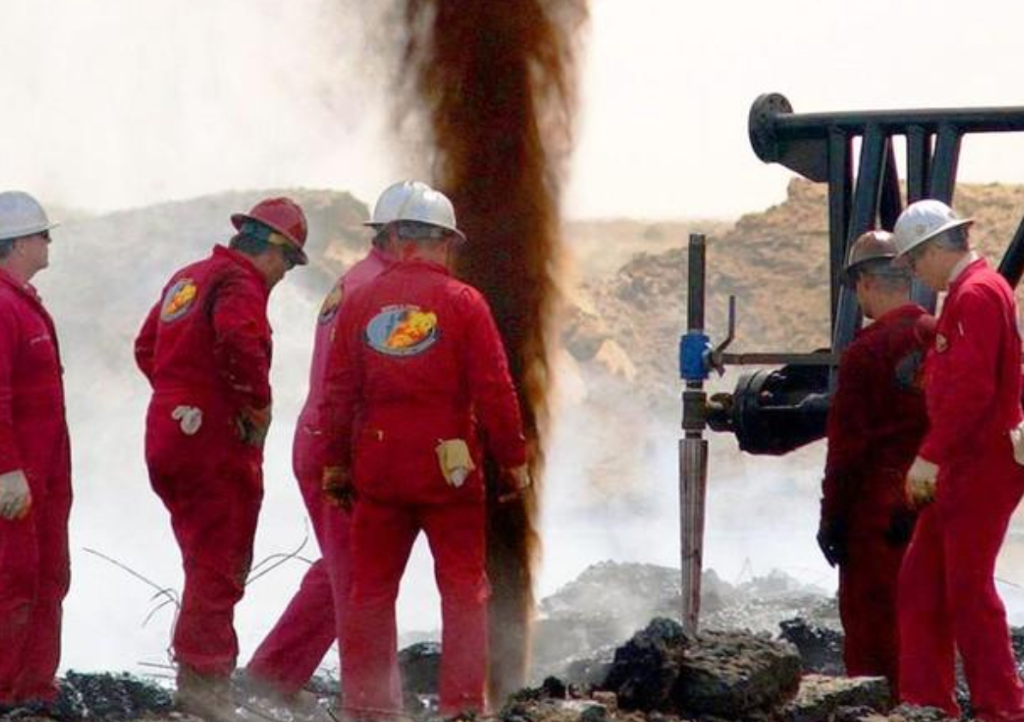
The trial’s significance extends beyond the individual defendant. It sends a clear signal to businesses operating in Senegal, particularly in the mining sector. Traditionally centered on gold in Kédougou, phosphate in Thiès, and zircon along the Grande Côte, the industry is expanding with new international players and the rise of offshore hydrocarbons. Investors will be closely watching how the judiciary handles past administrative decisions, including permit allocations and contract amendments from the previous administration.
For the current government, the challenge is to present robust cases without fueling accusations of selective justice. Supporters of the former administration frequently allege political weaponization of the judiciary, while the Pastef coalition frames the proceedings as a fulfillment of transparency demands from voters. On July 22, the High Court of Justice will become the stage for this debate, with hearings likely to draw international attention from embassies and development partners.
Key details remain uncertain, including the format of the hearings, the roster of witnesses, and the timeline for the verdict. These factors will shape the trial’s lasting impact on Senegal‘s evolving jurisprudence on ministerial responsibility.