Sahelian geopolitical instability triggers a harsh crackdown on independent journalism in Mali
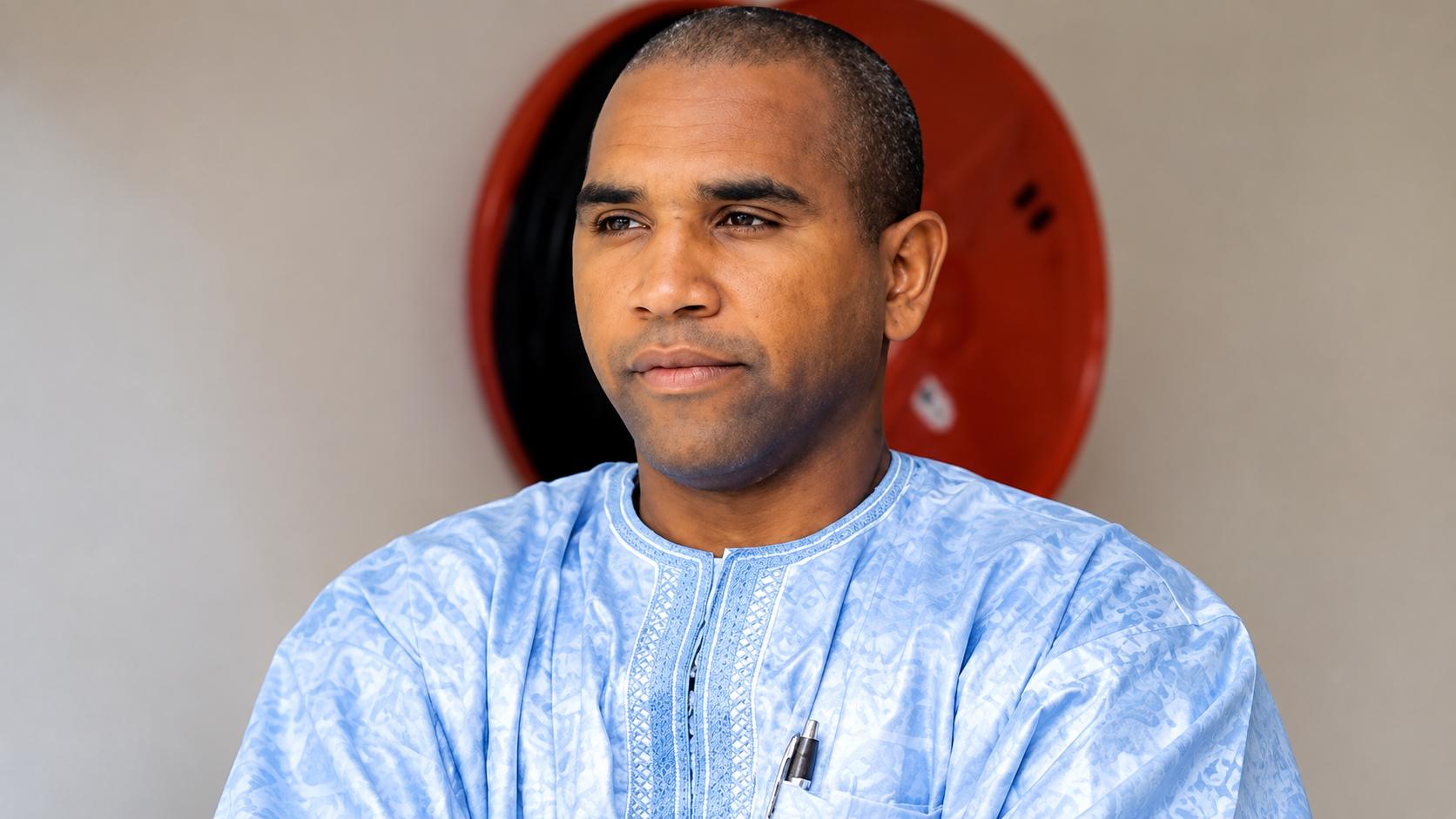
The military authorities in Mali have intensified their campaign against independent voices by dragging journalist Abdrahamane Keïta before the Specialized Judicial Pole for Combatting Cybercrime. This legal pursuit highlights a growing intolerance within the Bamako administration toward those who document the reality of the country’s security challenges. Keïta’s primary offense was providing a candid analysis of the worsening security situation in Kidal and detailing the strategic setbacks experienced by the national armed forces.
Rather than addressing the public’s growing anxieties regarding the instability plaguing northern Mali, the transition government has chosen to weaponize its judicial system against domestic observers. By utilizing cybercrime legislation as a political tool, the administration is actively working to stifle public discourse and silence critical evaluations of its military strategies.
A systematic campaign of silencing across the Sahel region
The prosecution of Abdrahamane Keïta is not an isolated incident but part of a broader pattern of suppression targeting dissenting voices:
- In Mali, prominent figures continue to pay a high price for their commentary. The well-known broadcaster Mohamed Youssouf Bathily, widely recognized as Ras Bath, remains behind bars, alongside academic Étienne Fakaba Sissoko, who received a prison sentence following the publication of a book criticizing government propaganda. Similarly, activist Rokia Doumbia was jailed after speaking out against the rising cost of living and the administration’s crisis management, while political figure Clément Dembélé has faced arbitrary arrests and temporary disappearances.
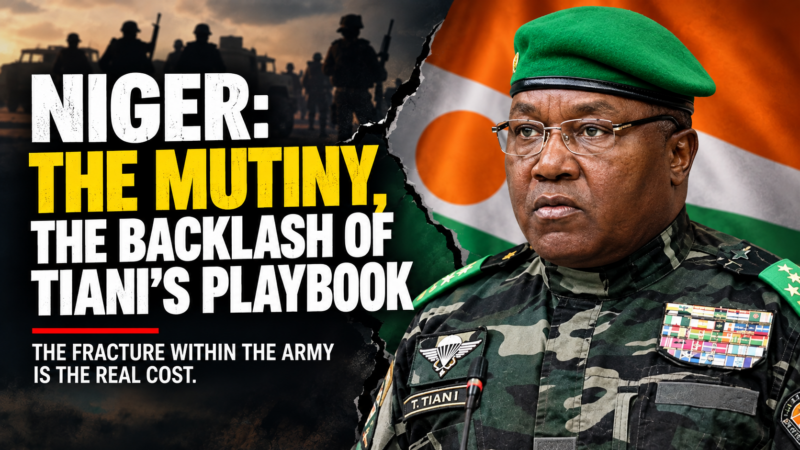
- In neighboring nations, similar tactics have emerged as a regional trend. In Burkina Faso, journalists and commentators such as Serge Oulon, Alain Traoré, and Kalifara Séré have been abducted or forcibly conscripted to the military frontlines after questioning the state’s military campaign. Meanwhile, in Niger, seasoned media professionals like Moussa Kaka continue to endure persistent administrative pressure and arbitrary detentions.
Independent reporting treated as a national security threat
This coordinated pressure on media practitioners reveals a deliberate strategy: labeling objective analysis as an “attempt to demoralize troops” or a “threat to state security” whenever it deviates from the official narrative. As the security landscape deteriorates, the transition government increasingly rejects constructive criticism, effectively outlawing investigative journalism.
An atmosphere of fear suffocating the media landscape
This environment of intimidation serves to eliminate diverse viewpoints from the public arena. Frequent judicial summons, targeted detentions, and media bans have become commonplace for those who refuse to serve as mere mouthpieces for the state. By targeting a journalist for reporting on the ground realities in Kidal, the authorities demonstrate their vulnerability and their resolve to enforce a strict information blockade over the country.