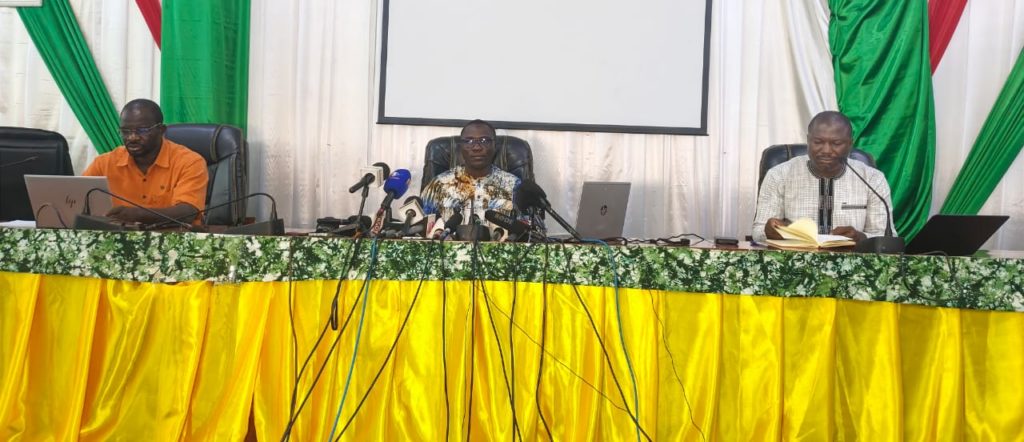
The Ministry of Health has crossed another milestone in its push to strengthen the human resources of Benin’s public health system. In an official communiqué dated 7 October 2026, Minister Benjamin Hounkpatin unveiled the list of candidates selected to form the 4th cohort of the “Bridging the Gaps” project.
A selection of 787 young health professionals ignites public debate
In total, 787 young health professionals, spread across four skill categories, were retained at the end of the selection process. Candidates were ranked strictly by order of merit. The announcement has triggered widespread reactions across the country, with health workers, patients’ associations and local officials weighing in on what the intake means for a system long strained by shortages.
What the fourth cohort means for Benin’s health workforce
Financed by the Islamic Development Bank (IDB), the programme aims to reduce the shortfall in caregiving staff in public health facilities throughout the country. The scale of this cohort — nearly 800 recruits — has renewed public discussion about whether such initiatives can durably close the staffing gap or merely ease pressure in the short term.
Reactions from the health sector
Voices from across the sector have welcomed the move while also raising questions about deployment, retention and the capacity of training institutions to keep pace. The debate now turns to how quickly these new agents can be absorbed into facilities that have waited years for reinforcements.
Orientation sessions before deployment
Before taking up their respective posts, the selected agents will take part in information and orientation sessions designed to prepare them for their new responsibilities. The calendar for these welcome and integration meetings will be specified later by the ministerial authorities.
What comes next for the “Bridging the Gaps” project
With the fourth cohort now confirmed, attention shifts to implementation: how the recruits will be distributed geographically, how their skills will match the needs of underserved areas, and whether the momentum can be sustained in future cohorts. For many observers, the coming months will be the real test of whether this latest wave translates into tangible improvements at the bedside.