A spill in Diffa, a nation watching
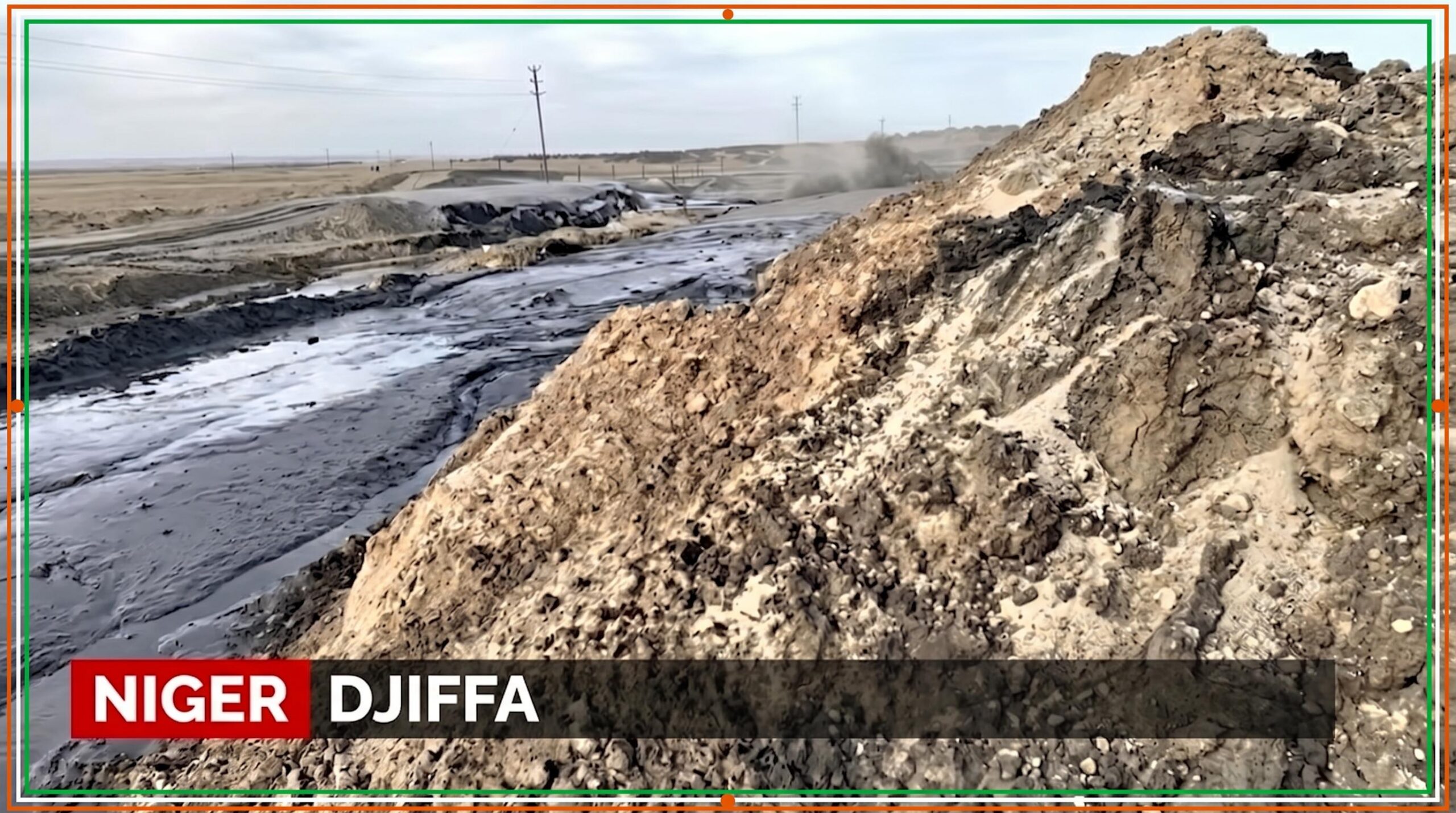
DIFFA, Niger — A dark slick spreading across the land has turned a strategic resource into a pressing hazard. For nearly a week, a reported crude oil leak in Diffa, in eastern Niger, has been allowed to flow, and the fallout is beginning to take shape: questions without answers, communities left in the dark, and a growing demand for accountability.
The leak, described as an oil spill, has triggered a wave of concern that goes beyond the immediate site. How much oil has escaped? What is the source? Who is responsible? And, most urgently, what will be done to stop it? These are the questions now echoing across the region, as residents and observers alike wait for a clear response.
Public debate intensifies as silence persists
As the days pass, the absence of official information has become its own kind of crisis. In a region where oil operations are a major economic driver, the lack of public communication is fueling speculation and anxiety. Residents near the affected area are asking whether their water, their land, and their health are at risk — and they are not getting answers.
The longer the flow continues, the more complex containment and cleanup become. Specialized teams must first locate the exact point of the leak, determine its cause, and halt the discharge. Then they must map the contaminated zone, prevent further spread, and collect samples to assess the extent of the damage. Every hour of delay adds to the challenge.
What comes next for affected communities
Beyond the visible slick, the potential consequences for local populations are severe. Depending on the terrain and proximity to water sources, hydrocarbons can contaminate soil, harm natural habitats, and disrupt farming and herding activities. Surface water and drinking supplies are also at risk if the oil reaches them.
For families who rely directly on natural resources, a prolonged pollution event could mean lost livelihoods and heightened health risks. The uncertainty is already taking a toll, as people wonder whether their land and water will remain safe.
The cost of silence: trust, health, and accountability
Public silence in the face of an environmental emergency is not neutral — it breeds mistrust and allows rumors to fill the void. Who operates the nearby facilities? Has the leak been located? Have containment operations begun? Have samples been taken? Have nearby residents been warned?
These are not idle questions. They demand precise, verifiable answers from the authorities and the companies involved. Transparency is essential to reassure communities, establish responsibility, and ensure that any failures are addressed.
Beyond the spill: a test for Niger’s environmental governance
The Diffa incident is more than a technical failure; it is a test of Niger’s commitment to protecting its people and ecosystems. Oil development can bring revenue, jobs, and investment — but those benefits cannot come at the expense of environmental safety or public health.
Prevention is key: regular infrastructure maintenance, effective monitoring, early-warning systems, and well-prepared response teams. A credible environmental policy is measured not only by its promises but by its ability to prevent accidents and react swiftly when they occur.
If negligence is found, regulatory procedures must be enforced. Cleanup, restoration of affected areas, and compensation for harmed communities should be part of the response.
Three priorities for Diffa — and for Niger
As the situation unfolds, three urgent actions stand out: stop any ongoing leak, protect local populations, and assess the full extent of the damage. Environmental authorities, oil regulators, and facility operators must coordinate their efforts, backed by experts who can deliver a reliable diagnosis.
Niger needs a model of resource extraction that respects public health and preserves ecosystems. In Diffa, the stakes go beyond managing a single incident — they touch on the collective responsibility to present and future generations.
An oil spill is not just a stain on the ground. It can leave lasting marks on land, water, and the lives of communities. That is why this alert must be taken seriously, the facts verified without delay, and protection measures made public.
In Diffa, the urgent task is not to look away, but to shed full light on this reported leak, halt its effects, and ensure that environmental protection is never relegated to the background.