Benin’s decision to establish a dedicated authority for the stretch of coastline between Fidjrossè and Ouidah has triggered immediate reactions across local communities, environmental groups, and the tourism industry. The move, approved at the Council of Ministers, signals a firm intention to bring order to a corridor that has become a focal point of the country’s economic ambitions — and of growing ecological anxiety. But beyond the official announcements, a broader conversation is unfolding: what will this authority actually change, and who stands to gain or lose?
A corridor transformed, and the pushback it has generated
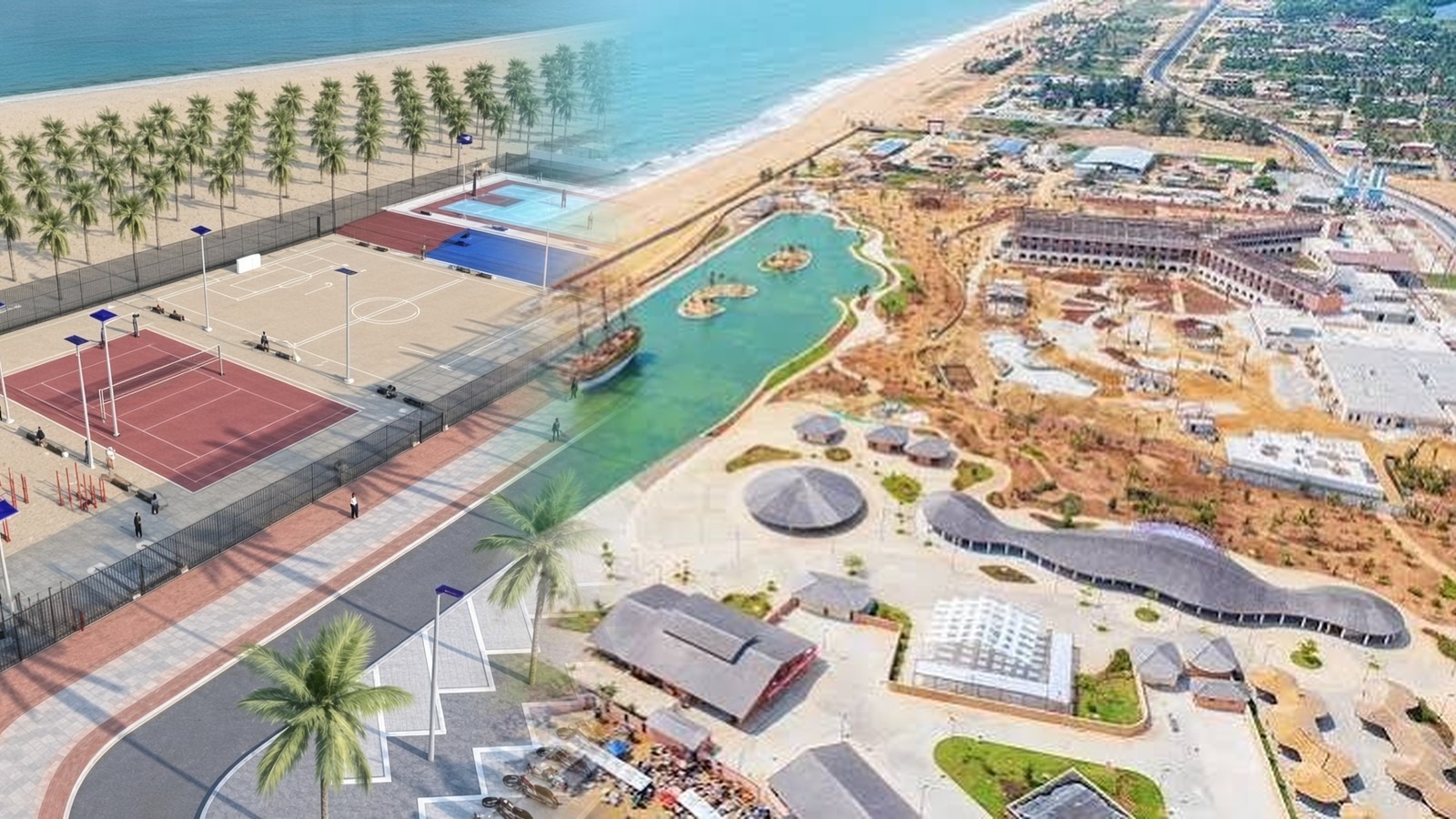
The coastal axis linking Fidjrossè to Ouidah has undergone rapid change in recent years. Once defined by its natural wetlands and traditional activities, it now hosts major investments aimed at boosting tourism and connectivity. Roads, drainage systems, landscaping, and hospitality infrastructure have progressively altered the landscape.
Yet this modernization has not been universally welcomed. Residents and environmental advocates have raised concerns about mounting pressure on land and natural habitats, particularly the marshes and wetlands that act as natural buffers against flooding. The creation of the new authority is, in part, a response to those concerns — but it has also prompted questions about how far its powers will extend and whether local voices will be heard.
Wetlands at the center of the debate
According to the government’s own assessment, parts of the public natural domain have been subject to chaotic occupation, with wetlands and marshes especially affected. These areas are not idle land awaiting development; they play a critical role in water retention and in softening the impact of heavy rains.
As these spaces are progressively built over or degraded, their natural capacity diminishes — a factor that authorities acknowledge worsens flooding. The new authority is therefore tasked with preventing tourism and real estate ambitions from causing irreversible damage to the environment. For many observers, this is where the real test lies: whether the agency can enforce protections that have so far been weakly applied.
What the new authority will actually do
The future Authority for the Development of the Basins of the Fidjrossè to Ouidah Zone will have a broad mandate. It will be responsible for coordinating territorial planning, environmental protection, urban and landscape development, as well as tourism promotion and sustainable coastal management. Its intervention area will specifically cover sensitive and wetland zones between Fidjrossè and Ouidah.
This new body complements the framework set by Benin’s 2018 law on the protection, development, and enhancement of the coastal zone, which had already established a national unit for coastal protection and management. The creation of a more localized authority reflects a recognition that the challenges in this corridor require tailored, on-the-ground coordination.
Erosion, marine submersion, and pollution: beyond flooding
Flooding from rainfall is only part of the problem. The coastline is also exposed to coastal erosion and marine submersion, threats that the new authority will need to address in collaboration with relevant agencies. It will also be expected to monitor environmental quality and regulate discharges, pollution, and nuisances that could affect the coastal domain.
Special attention will be given to the dune belt, coastal ecosystems, and wetlands — the preservation of which is now seen as a prerequisite for the sustainability of any development. For communities already living with the effects of erosion, the authority’s effectiveness will be measured in tangible protection, not just policy documents.
Tighter control over construction and land use
A key part of the authority’s role will be enforcing urban planning rules and project specifications. It will oversee land use and ensure compliance with architectural and urban standards specific to the coastal area. Notably, its binding opinion will be required before any temporary occupation permits are granted for the public maritime and lagoon domain.
This provision is expected to tighten oversight of activities and installations in a zone where competing uses can quickly clash with environmental imperatives. Developers and local officials are already weighing how this will affect ongoing and planned projects — and whether the new layer of scrutiny will speed up or slow down investment.
Tourism remains central, but the rules are shifting
The creation of the authority does not mean tourism development is being sidelined. Rather, the government insists it is about organizing it better. The agency will review projects related to tourism, beach, cultural, and recreational infrastructure, and coordinate commercial, artisanal, sporting, and tourism activities along the coastal strip.
The goal is to make multiple functions coexist on the same space: tourism, leisure, economic activities, urbanization, and environmental protection. This balance will be decisive for the future of the Route des Pêches, one of Benin’s flagship tourism development projects. Stakeholders in the tourism sector are watching closely, hoping the new framework brings clarity rather than bureaucracy.
Private sector invited to partner
To finance and operate future facilities, the government is also counting on public-private partnerships. The new authority will be tasked with fostering such collaborations to mobilize investment around planned infrastructure and equipment.
This approach comes as Benin seeks to strengthen its tourism appeal and turn its coastline into a driver of economic growth. However, the success of this strategy will depend on the authorities’ ability to prevent investments and urbanization from undermining the very natural spaces they aim to showcase. Private investors are cautiously optimistic, but some worry that overlapping regulations could create uncertainty.
A new phase in coastal management — and a test of governance
The statutes of the new authority have already been approved by the Council of Ministers. The minister in charge of the living environment and sustainable development, together with other relevant ministries, must now organize its effective implementation.
For Benin, the stakes go beyond creating another administrative body. It is about regaining control of a territory under increasing pressure, even as it remains one of the country’s showcases for tourism development. Between protecting wetlands, combating erosion, controlling urbanization, and fostering tourism, the Fidjrossè-Ouidah corridor has become a real-world laboratory for the difficult equation of urban growth and coastal preservation.
As the authority takes shape, the reactions it has already provoked — from hope to skepticism — suggest that its success will depend not only on its legal powers but on its ability to engage communities, enforce rules consistently, and demonstrate that development and conservation can, in fact, coexist.