The Nigerien authorities find themselves at the center of a growing controversy, as official statements categorically deny any fuel shortage while citizens across the country report lengthy queues at service stations. This discrepancy has ignited a public debate about credibility, transparency, and the government’s handling of essential resources. The fallout is palpable, with widespread frustration and a deepening mistrust in official communications. What comes next remains uncertain, but the pressure on the junta to address the reality on the ground is intensifying.
The official narrative versus the lived experience
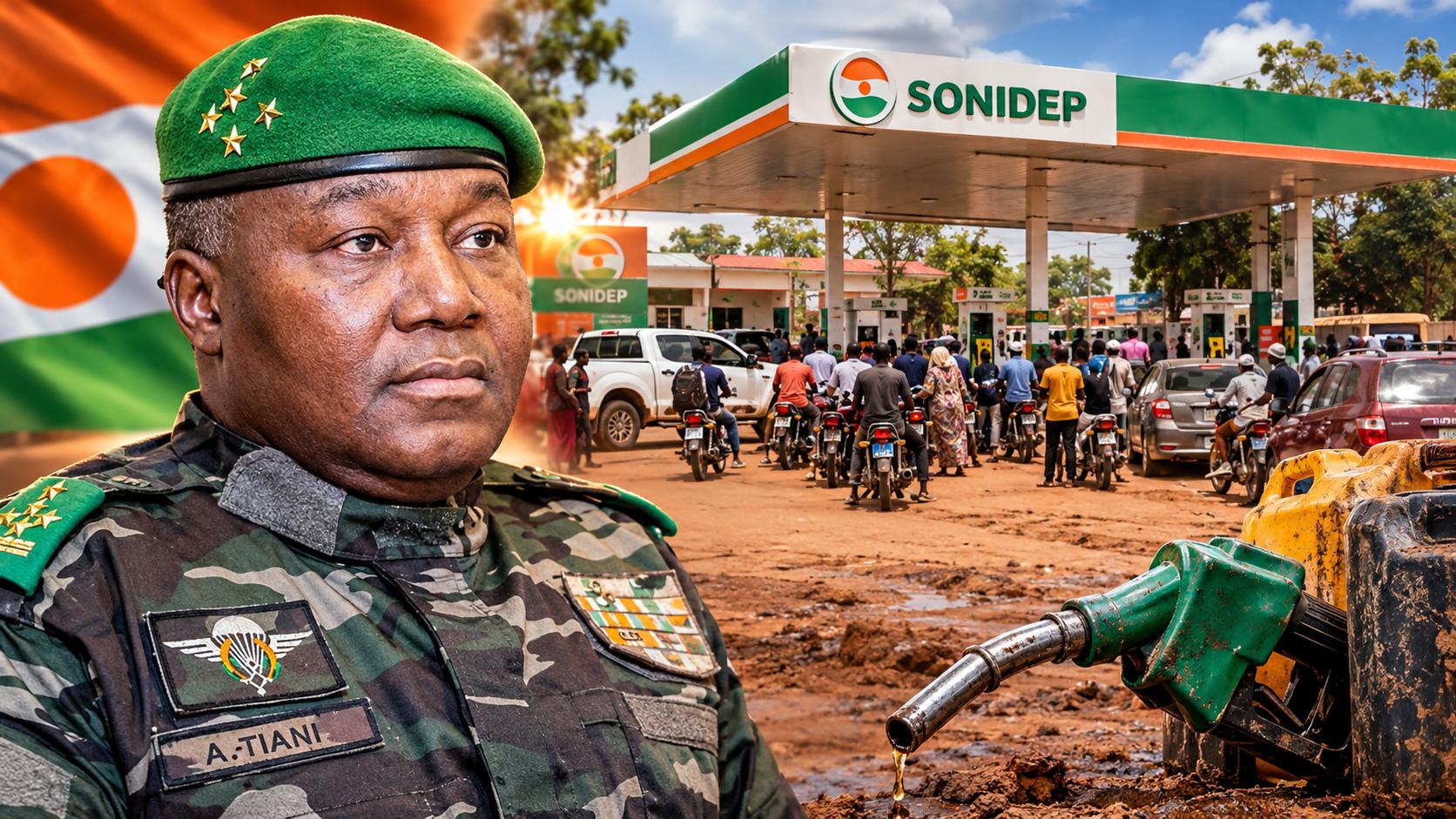
In a broadcast on state television, the government dismissed the fuel crisis as nothing more than a ‘rumor’, insisting that no region in Niger is affected by supply disruptions. This assertion stands in stark contrast to the scenes of motorists and motorcyclists waiting for hours, often in vain, to refuel. The official line raises a fundamental question: how can a situation so visibly present in daily life be so absent from official discourse? The queues themselves are not abstract; they are a tangible manifestation of a problem that refuses to be ignored.
Regional parallels: a pattern of denial
Niger’s situation is not isolated. Across the Alliance of Sahel States Mali, Burkina Faso, and Niger military governments face a similar challenge: reconciling harsh realities with a narrative that emphasizes resilience and sovereignty. In Mali, President Assimi Goïta acknowledged months of supply disruptions in his 2026 New Year’s address, though he claimed measures averted major shortages. This admission from Bamako serves as a precedent that Niamey appears reluctant to follow. The reluctance to acknowledge the crisis is particularly striking given that Mali’s experience could have offered valuable lessons.
The economic toll of a denied crisis
For months, the Nigerien regime has touted low fuel prices as a hallmark of its energy policy. However, affordability loses its meaning when the product is scarce. A cheap commodity that cannot be found becomes costly for the entire economy. Transporters, traders, farmers, businesses, and households all bear the brunt as supply tightens. Moreover, the AES countries remain heavily reliant on fuel imports from coastal nations, leaving them exposed to any disruption in supply chains. This dependency amplifies the impact of any shortage, turning a logistical challenge into a broader economic strain.
Transparency as the missing ingredient
The core issue is not whether the word ‘shortage’ is officially used, but whether the government is transparent. If no crisis exists, authorities could easily publish stock levels, available volumes, the number of supplied stations, import quantities, and regional breakdowns. Concrete data would speak louder than reassurances. The problem arises when official communication asks citizens to disbelieve their own eyes. In a region where governments frequently denounce disinformation campaigns, the battle over narratives has become central. Yet one truth remains: the first casualty of a poorly explained crisis is public trust.
What lies ahead?
The junta may continue to deny a shortage, but as long as queues persist and stations struggle to meet demand, the question will grow louder: is this truly a rumor, or a reality the authorities refuse to confront? The answer will shape not only the government’s credibility but also the daily lives of millions. The coming weeks will reveal whether the regime can restore confidence or whether the gap between official claims and lived experience will widen further.
By François Mvondo — Journaliste / Rédacteur