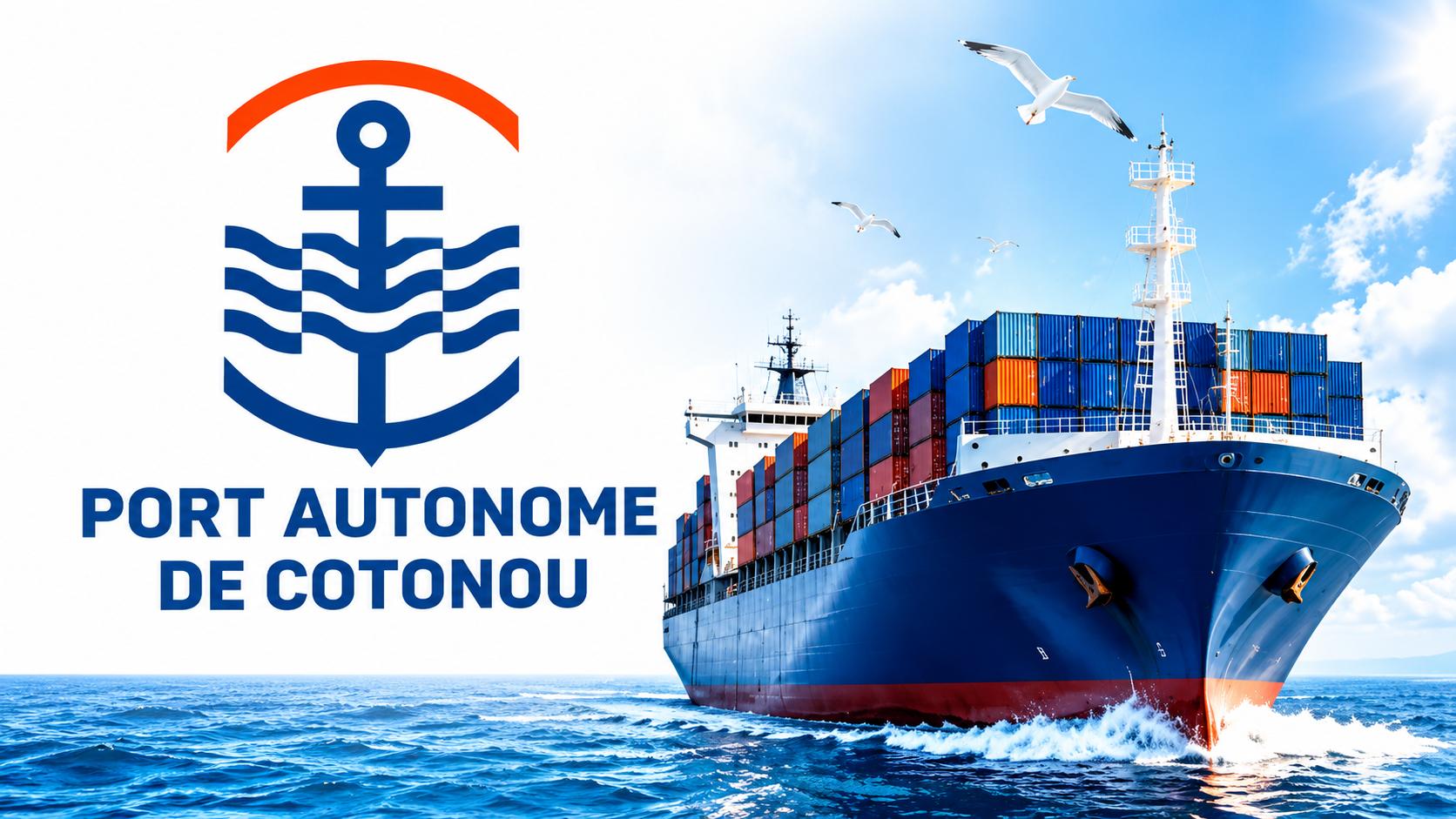
A rare bright spot in a congested region
As port hubs across West Africa buckle under critical congestion, Benin’s maritime gateway is drawing attention for an unusual distinction: speed. With container waiting times estimated at 36 to 72 hours, the Autonomous Port of Cotonou (PAC) now ranks among the most fluid facilities in the sub-region — a performance that is sparking both praise and pointed questions about what comes next.
The figures emerged during the “PAC Média Connect” meeting held in early October 2026, where Charles Bennett Fayomi, Director of Port Operations and Security, presented a comparative review of commercial activity. His assessment painted a picture of a port holding its ground while neighbors struggle.
A stark contrast with neighboring ports
While several nearby ports report vessel waiting times at sea ranging from six weeks to two months, Cotonou manages to keep its containers at berth with a pre-docking wait of between 36 and 72 hours.
The achievement stands out even more given that overall saturation levels at some coastal facilities reach 200% to 250%, compared with roughly 100% for the Beninese port.
“There are ports right now where ships remain stranded at sea for a month without operators being able to touch their goods. Here, we manage to stay on course,” Charles Bennett Fayomi said.
A logistics release valve under construction
Paradoxically, this relative efficiency comes even as the port undergoes a major expansion project. By absorbing part of the surplus cargo diverted from saturated ports in the sub-region, Cotonou is positioning itself as a strategic logistics alternative for West African trade — a role that raises the question of how long the facility can sustain the pressure.
Controlled costs for operators
Although rising volumes place constant strain on handling chains, port authorities remain reassuring about the financial impact on economic players. The PAC says it keeps ancillary fees and penalties related to delays among the lowest on the regional market, thereby preserving the competitiveness of the Beninese corridor.
What comes next for West Africa’s ports
The debate now turns to the future. Can Cotonou maintain its edge as diverted traffic grows and its own expansion continues? And will its performance push neighboring ports to rethink their own congestion strategies? For now, the port’s 36-72 hour turnaround stands as both a benchmark and a challenge — one that West Africa’s trade sector will be watching closely in the months ahead.