A crackdown that is reshaping the national conversation
The military authorities in Guinea-Bissau are pressing ahead with a sweeping disarmament campaign across the capital, Bissau. Weapons have reportedly been uncovered inside shipping containers and private homes, part of a search operation targeting equipment attributed to armed elements linked to former president Umaro Sissoco Embaló. The security drive lands barely weeks before a presidential election scheduled for 6 December, while the exiled former leader — currently in Morocco — insists he intends to return and stand as a candidate. For now, the junta is refusing to let him back into the country, citing security imperatives.
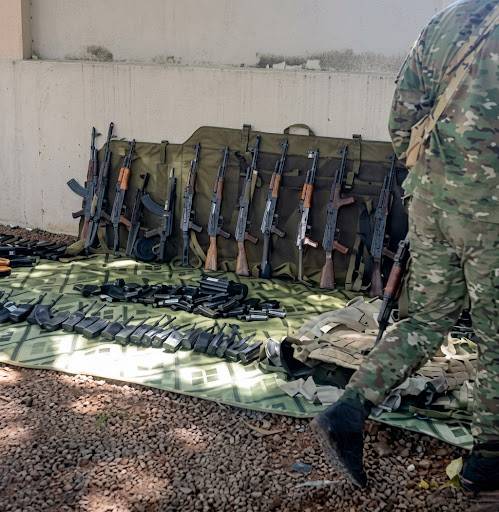
Weapons caches pursued across Bissau
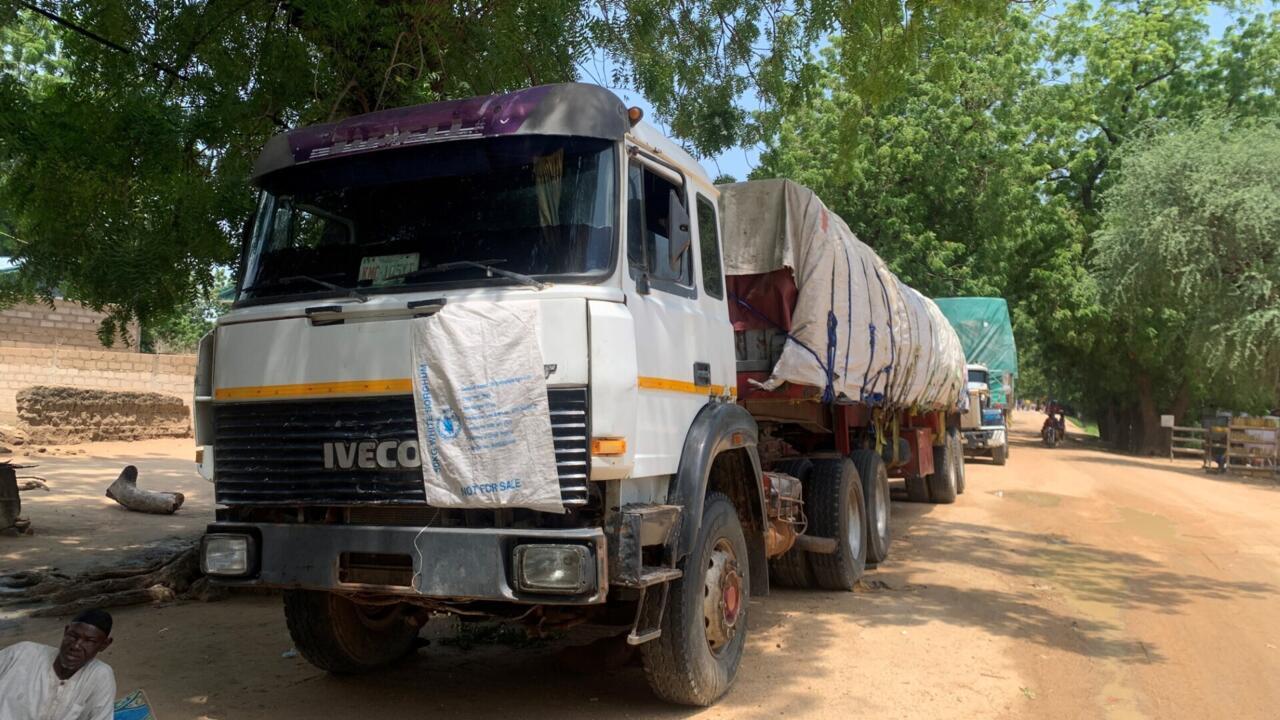
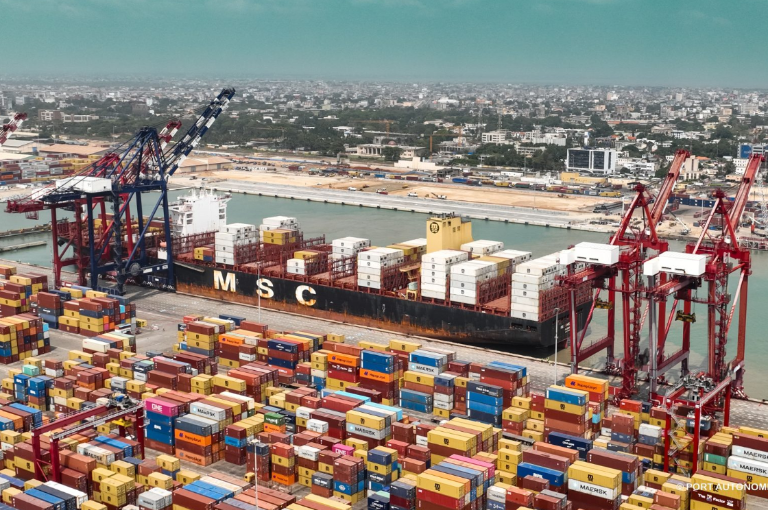
Security forces are continuing to comb through several neighbourhoods of Bissau in search of hidden weapons and ammunition. Containers and residential properties are being inspected as part of the campaign to disarm groups deemed capable of threatening stability in the capital.
The military authorities say they want to regain control of weapons circulating outside official structures. The operation is unfolding in a country where the army has occupied a central role in political crises for decades, and where coups have repeatedly derailed democratic processes.
According to available information, some of the weapons being sought are attributed to elements tied to former president Umaro Sissoco Embaló. It is a politically sensitive accusation that will need to be backed by evidence establishing precisely where the weapons came from and who was holding them.
Embaló wants to return and run
Behind these security operations lies a major political deadline: the presidential election set for 6 December 2026. After the coup that toppled him in November 2025, Umaro Sissoco Embaló has been living in exile in Morocco.
The former president has nonetheless announced his intention to come back to Guinea-Bissau and seek the highest office once again. In late September, he declared he would be a candidate in the presidential race.
His return had initially been expected on 4 October. But the military hierarchy decided to block his entry. The junta says the security conditions required for his return are not in place, invoking the protection of public order and social stability.
Embaló, for his part, is sticking to his intention to take part in the vote and is demanding that his candidacy be examined by the judicial authorities in an impartial and independent manner.
A candidacy that unsettles the military transition
The confrontation between the former president and the new authorities is no longer confined to the question of his return to the country. It could now play out directly on the electoral battlefield.
The junta has committed to organising elections aimed at restoring civilian rule. The presidential and legislative votes are officially set for 6 December.
But the Embaló case leaves the military facing a delicate equation. How can they organise an election meant to mark the end of the transition while preventing the former president they overthrew from returning to campaign?
For now, the authorities have officially justified his return ban on security grounds. It would therefore be premature to speak of a candidacy legally rejected by the junta. However, his physical return to the country is indeed blocked by the military authorities, which concretely undermines his ability to campaign on the ground.
Weapons: a political issue as much as a security one
It is against this backdrop that the seizure operations take on an added dimension. By hunting for weapons that may be linked to networks close to the former government, the junta says it wants to prevent any threat to public security.
But these operations are happening at the precise moment when political rivalry over the presidential election is intensifying. The question will therefore be whether the disarmament is purely a security measure or whether it will also have consequences for the political balance of power before the vote.
The military authorities will notably have to demonstrate that the searches and seizures rest on transparent procedures and are not being used to sideline certain political opponents.
A transition under close watch
The junta already pushed through a new Constitution in August following a referendum strongly contested by part of the opposition and civil society. The new text notably strengthens presidential powers.
In this climate, the 6 December presidential election is a crucial moment for the country’s institutional future. Embaló’s possible return, his candidacy and the conditions under which other contenders can campaign will all be watched closely.
In Bissau, the military continues to search, seize and disarm. But behind the inspected containers and the weapons being sought, a broader battle is now taking shape: the fight over control of the transition and over the conditions in which Guinea-Bissau will — or will not — return to civilian rule.
With two months to go before the vote, the standoff between the junta and Umaro Sissoco Embaló is only just beginning.