A regional gateway under the spotlight
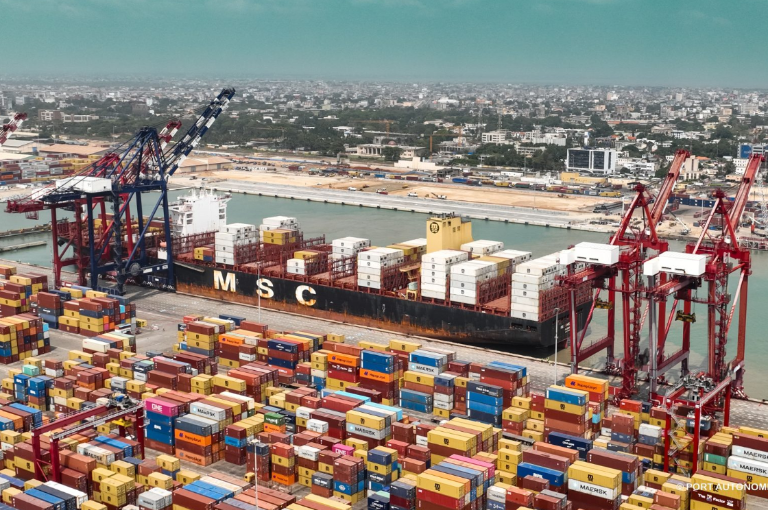
The transformation of the port of Cotonou is no longer just an infrastructure story — it has become a regional talking point. As Benin’s maritime gateway steadily consolidates its position among West Africa’s leading entry and exit points for goods, its rapid rise is triggering a wider debate about trade flows, corridor competition and the shape of the region’s logistics map. Shifting trade patterns have pushed the Beninese facility to broaden its markets and pull in new commercial traffic, and the consequences of that shift are now being felt well beyond Cotonou’s quays.
Transit traffic climbs sharply
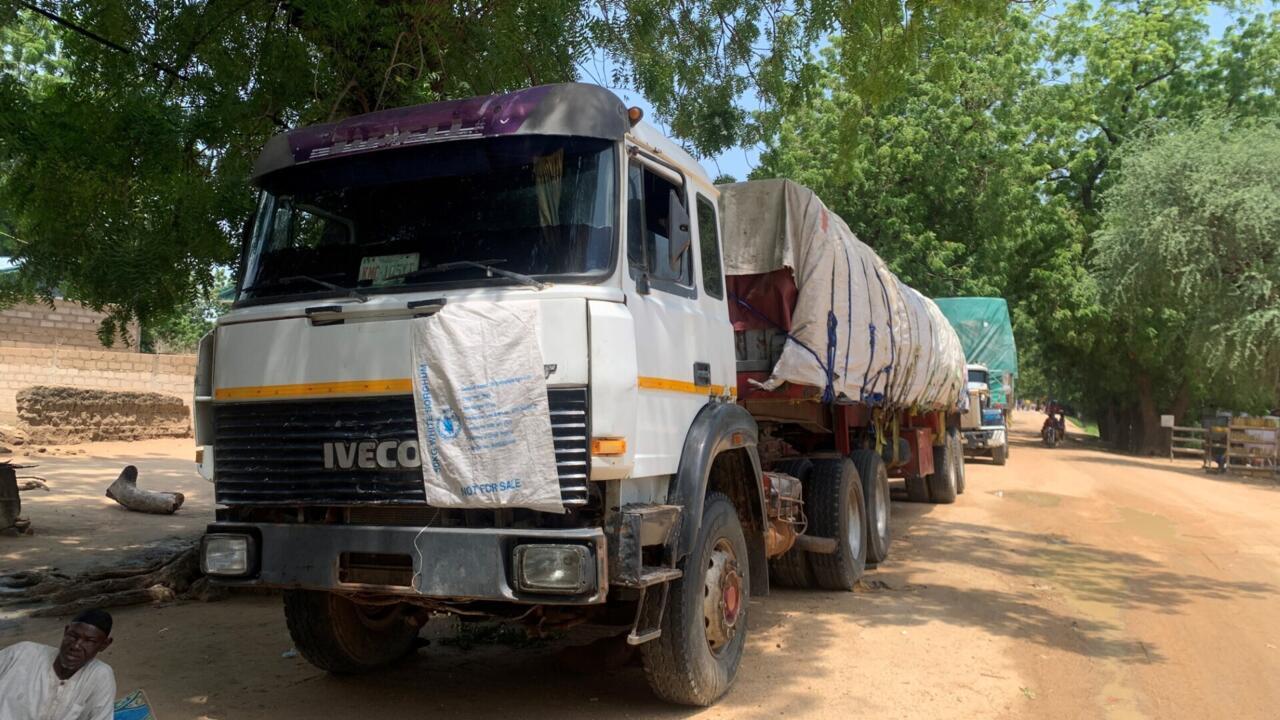
The strategy is already delivering visible results. Transit volumes have risen substantially, driven in large part by growing exchanges with Burkina Faso, Nigeria and Chad. Hydrocarbons, manufactured goods and a wide range of products headed for domestic markets are all feeding this momentum — and each additional tonne passing through the port adds a new layer to the regional conversation about who controls West Africa’s trade routes.
From national platform to regional hub
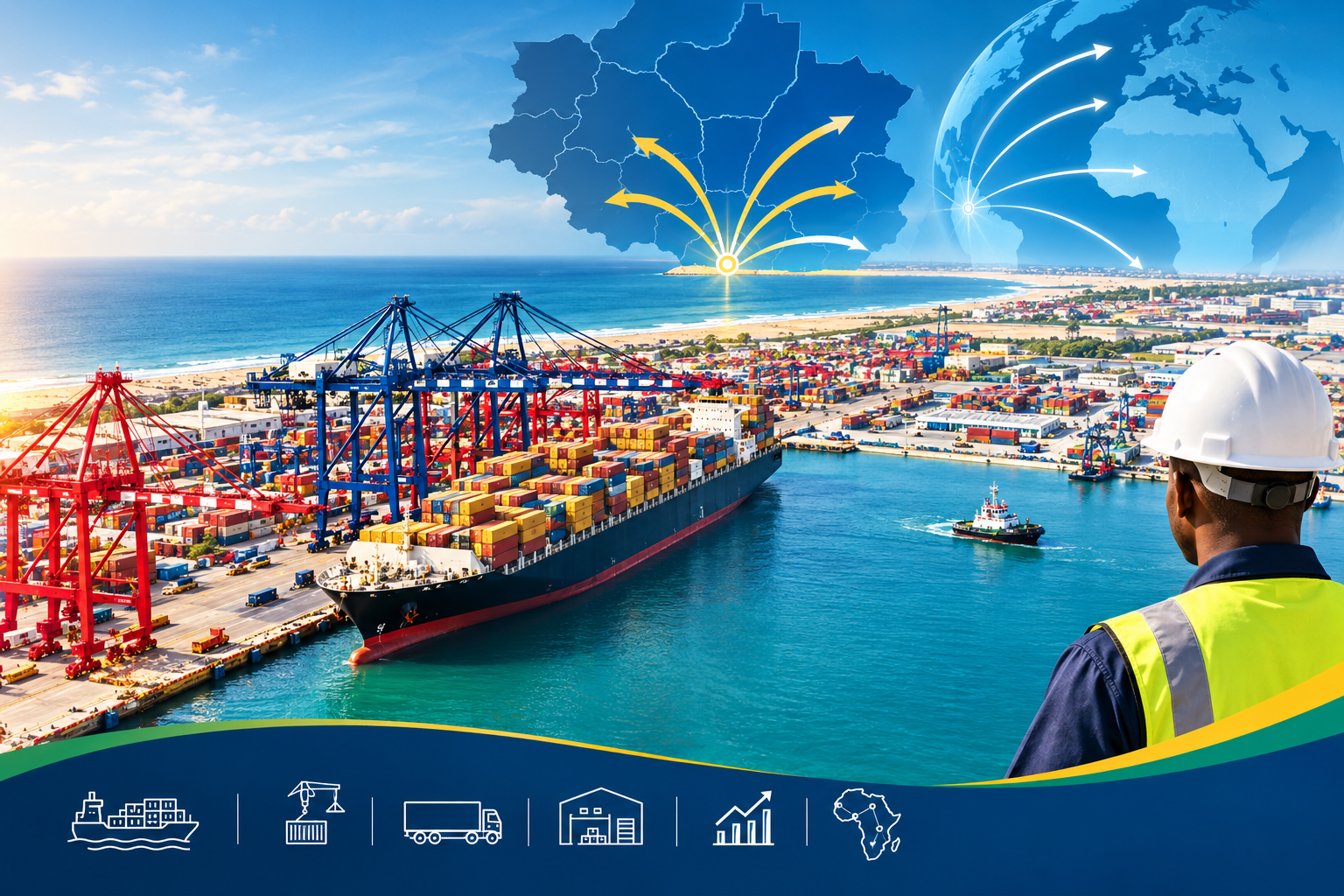
Cotonou is no longer content with its traditional role as Benin’s maritime platform. It now aims to serve a much broader regional space, leaning on its infrastructure, its geographic position and its road connections to make that ambition credible.
Burkina Faso: a fast-growing outlet
Burkina Faso stands out as a market in full expansion. Significant volumes of goods, including energy products, pass through the port before being forwarded to the Burkinabè market.
Nigeria: a strategic neighbour
Nigeria is another key partner. The proximity of that vast market, combined with the difficulties faced by some ports in the region, is opening fresh opportunities for Cotonou. The Beninese port can position itself as a complementary solution for moving goods destined for Nigerian businesses and consumers.
Chad: long-term potential
Chad also emerges as a market with strong potential. By diversifying its supply routes, the country could help strengthen transit activity departing from Benin’s coastline.
What the numbers reveal
The upward trend in traffic confirms this new direction. The volume of goods handled jumped from 9.6 million tonnes in 2024 to 14.7 million tonnes in 2025 — a leap that underscores the port’s growing weight in sub-regional trade. The increase reflects better equipment, greater handling capacity and a determined push by the authorities to make port operations faster and more competitive. Modernised quays, expanded storage areas and upgraded management systems have all contributed to smoother cargo movement.
Investment plans and the road to 25 million tonnes
To sustain this growth, the port of Cotonou is lining up further investment. The goal is to gradually raise handling capacity to 25 million tonnes of goods per year.
Container terminal development is a priority. The port also intends to strengthen its cargo-handling equipment, improve road access and ease the flow of trucks toward neighbouring countries. Such investments could sharpen the port’s competitiveness and cut delivery times. They are also expected to attract new companies specialising in logistics, transport and distribution.
The fallout for Benin’s economy
The port’s expansion carries major stakes for Benin’s economy. Higher traffic can generate more revenue, energise industrial activity and create jobs in transport, cargo handling and logistics. Port development can also boost the country’s appeal to foreign investors: a modern, well-connected platform makes it easier for firms eager to reach West African markets to set up operations.
What comes next
By betting on diversified partnerships and upgraded infrastructure, the port of Cotonou intends to establish itself as an indispensable regional logistics centre. Yet that ambition hinges on several conditions: sustained investment, the quality of road corridors and the stability of trade between the region’s countries. How those factors play out will determine whether Cotonou’s surge becomes a lasting reordering of West African trade — or simply a passing spike.