The legal confrontation that has Niger’s bar and civil society on edge
The standoff between Niger’s judiciary and prominent critics within the legal profession has entered a new phase. Fifteen days after being taken into custody, lawyer Abdourahamane Lirwana appeared before the Niamey High Court on Tuesday, October 6, to answer the charges against him. When the proceedings concluded, the public prosecutor requested a sentence of five years of strict imprisonment, along with a fine of five million CFA francs.
The severity of the requested penalty has sparked widespread debate across Niger, with lawyers, activists and ordinary citizens weighing in on what the case means for free expression, judicial independence and the future of legal advocacy in the country. The fallout is already being felt well beyond the courtroom walls.
Online posts at the center of the prosecution
The case stems from content the lawyer published on social media. Prosecutors formally accuse Lirwana of “disseminating data likely to disturb public order,” an offense that carries heavy penalties under Niger’s cybercrime legislation.
Yet the hearing itself unfolded amid intense procedural tension. Twenty-four hours before the proceedings began, the collective of lawyers defending the accused had brought the matter before the Court of State, seeking to have the case transferred out of Niamey. They argued that the capital’s tribunal did not offer the necessary guarantees of independence for a fair trial. The higher court dismissed the request, keeping the case in Niamey.
A strategy of silence in the face of a contested justice system
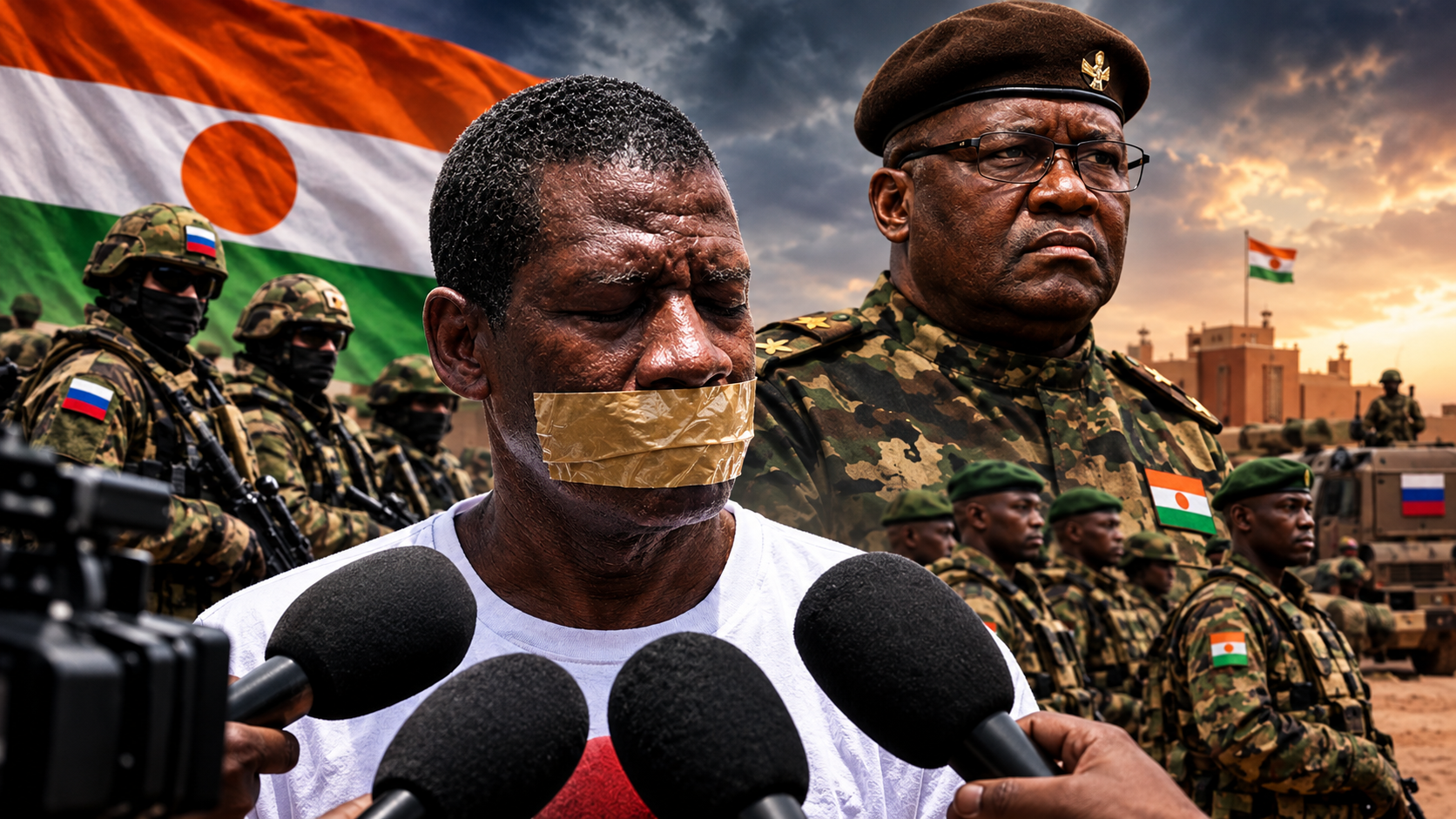
Convinced that the rights of the defense were being blatantly trampled, Lirwana’s counsel made a decisive choice: they refused outright to plead. Following their instructions, the accused remained completely silent when questioned by the presiding judge and the prosecutor.
This refusal to cooperate did not halt the session. Setting aside the absence of defense arguments, the court closed the proceedings and took the case under advisement. The final ruling, now eagerly awaited by judicial circles and civil society alike, will determine the lawyer’s fate in a context of increasingly strict regulation of public speech on digital platforms.
Reactions and what comes next
The requested sentence has ignited a broader conversation about the boundaries of online expression in Niger. Members of the bar association have voiced alarm, warning that pursuing a lawyer for social media posts sets a troubling precedent for the entire legal profession. Civil society groups have echoed those concerns, framing the case as a litmus test for judicial independence and the right to dissent.
Observers are now closely watching how the court’s final decision will reverberate. A conviction could embolden prosecutors to pursue similar cases against other critics, while an acquittal might ease fears of a widening crackdown. Either way, the Lirwana affair has already left its mark on Niger’s legal landscape, and its consequences are likely to shape the debate over digital freedom for months to come.