Benin and Germany have wrapped up two days of high-stakes bilateral talks in Cotonou, and the immediate fallout is a fresh €15 million injection into Benin’s energy and small-business sectors. But the louder conversation now unfolding in both capitals is not about the money itself — it is about what happens next, who benefits, and whether the pledges made on 8 October 2026 can survive the political and economic pressures running up to the Berlin intergovernmental negotiations in 2027.
What was actually agreed in Cotonou
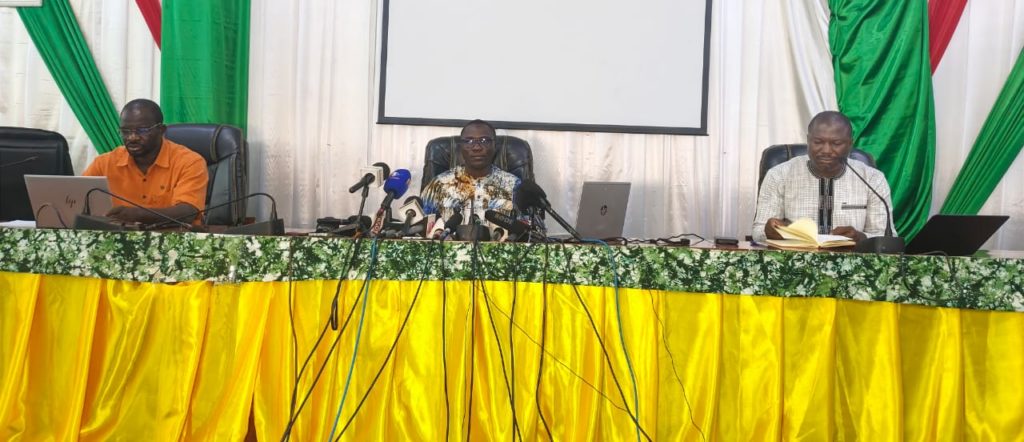
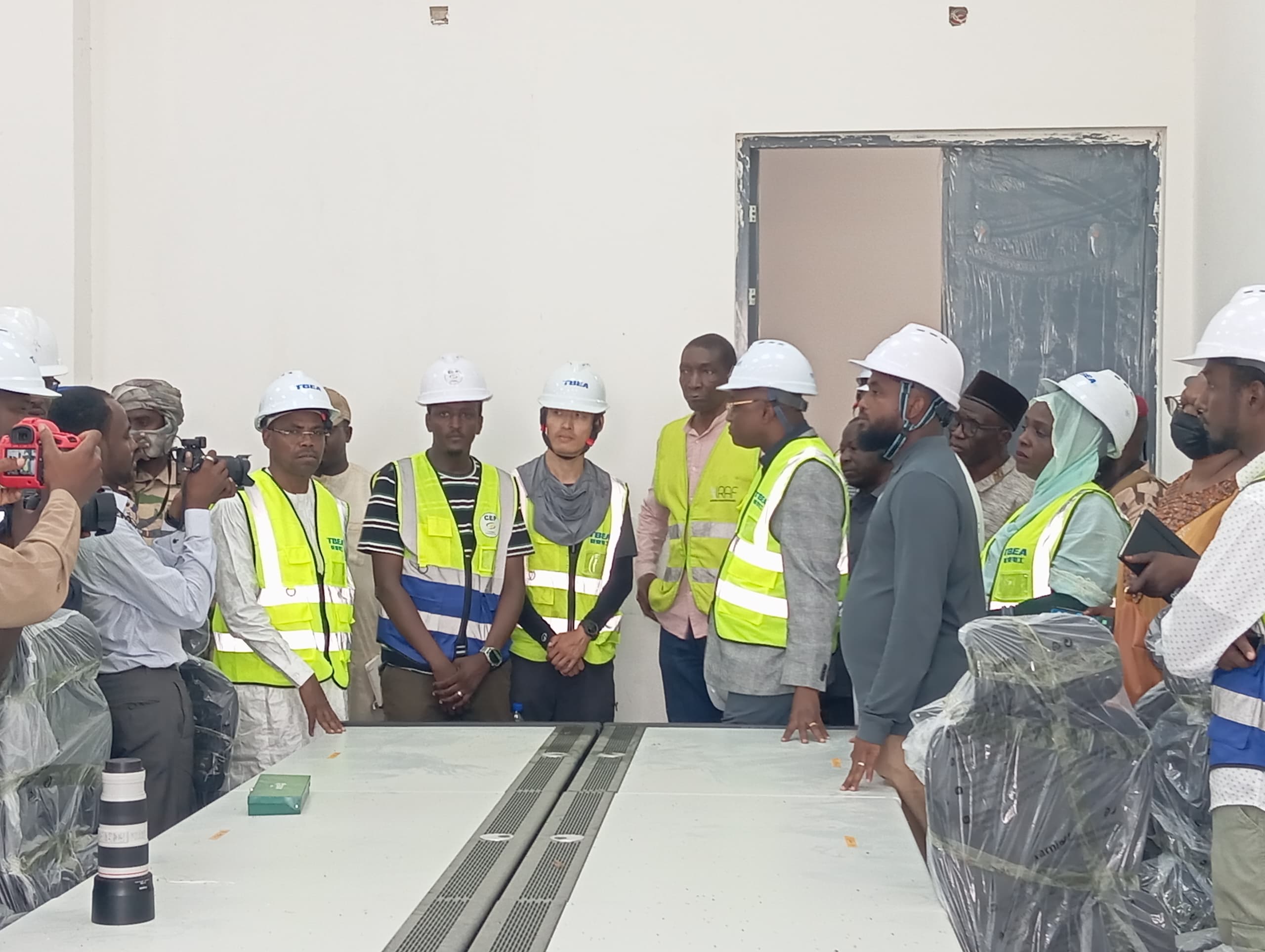
The joint consultations, held at the Ministry of Economy, Finance and Cooperation, brought together a Beninese delegation led by Hugues O. Lokossou, the minister responsible for external resource mobilisation and debt management, and a German team headed by Dr Silvia Morgenroth, who directs the West Africa division at the Federal Ministry for Economic Cooperation and Development (BMZ). Their joint communiqué, released on Friday 9 October 2026, confirmed an additional €15 million — roughly 9.8 billion CFA francs — for the current year. That figure is now the reference point for every reaction that has followed.
Where the €15 million will land
The new envelope is split across two fronts, and both are already drawing scrutiny from local business groups and energy analysts.
- Solar integration at Nangbéto: the funding will support adding a solar component to the existing Nangbéto hydroelectric plant, a mixed hydro-solar regional project that has long been flagged as a test case for Benin’s renewable ambitions.
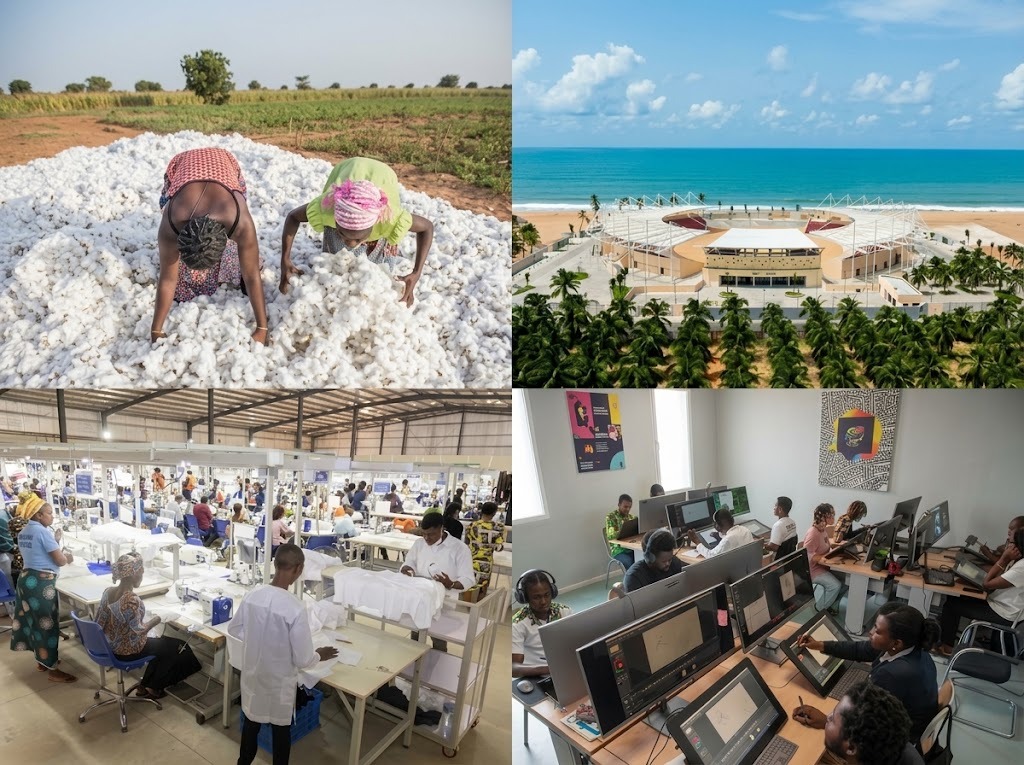
- Support for local entrepreneurship: the money will extend technical advice and coaching programmes for small and medium-sized enterprises, with a strong emphasis on women-led businesses — a segment that has become a political priority in Cotonou.
Three pillars tied to the government’s reform agenda
German representatives publicly welcomed the discipline shown in Benin’s economic and financial reforms, and restated their backing for the government’s action programme (PAG) through three priority areas:
- Financial governance and decentralisation: strengthening local and territorial budget management capacity.
- Private sector development and vocational training: closing the gap between training and employment for young people.
- Water management and biodiversity: improving the environmental resilience of communities.
Reactions: praise, caution and unanswered questions
Supporters describe the €15 million as a concrete signal that Berlin trusts Cotonou’s reform trajectory ahead of the 2027 talks. Critics, however, are asking harder questions: how much of this funding will be disbursed before the Berlin meeting, how will the solar component at Nangbéto be procured, and what measurable targets will be attached to the SME and women’s entrepreneurship programmes. Those debates are now part of the public record and will shape expectations on both sides.
The outlook: Berlin 2027 as the real test
Both governments reaffirmed their shared commitment to the rule of law, democracy and multilateral values, and confirmed Berlin as the venue for their major bilateral rendezvous in 2027, where future multi-year partnership commitments will be fixed. For now, the €15 million stands as an opening move. The harder negotiation — over amounts, conditions and delivery — is still ahead.