The hydrocarbon sector in Niger is navigating a period of severe turbulence. At the heart of the storm, the debt accumulated by the National Society of Petroleum Products (SONIDEP) toward the Zinder Refining Company (SORAZ) has hit a record 418 billion CFA francs. This financial black hole now directly threatens the stability of the national fuel market and the continuity of supply.
A spiraling wave of unpaid dues
While SONIDEP’s debt historically remained within contained levels—hovering between 40 and 50 billion CFA francs under the previous administration—the outstanding receivables have since surged past the 418 billion CFA francs mark.
This explosion in the financial burden stems from a complex chain of factors:
- Blocked upstream collections: SONIDEP is reeling from unpaid bills by several major institutional accounts and state-owned enterprises, creating an immediate liquidity shortfall.
- The straitjacket of price regulation: Arbitrations over pump-approved prices and the freeze on certain tariff compensation mechanisms have drastically narrowed the national operator’s room for maneuver.
- Pressure from lifted volumes: To meet ever-growing domestic demand for gasoline and diesel, volumes drawn from the Zinder refinery have risen at a pace that actual cash transfers have failed to match.
SORAZ under budget strain
For SORAZ, a strategic joint venture between the State of Niger and the Chinese giant CNPC, this astronomical receivable poses a heavy risk to its operations. Without recovering these funds, the refinery struggles to cover its operating costs, pay its subcontractors, and plan the heavy maintenance operations essential to keeping its facilities running.
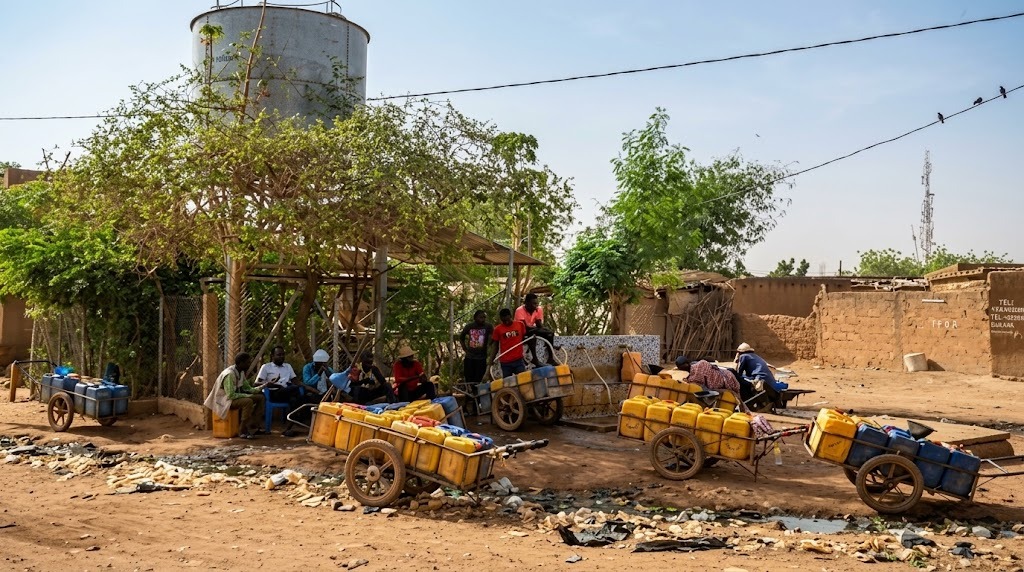
On the ground, this imbalance has already sparked friction: restrictions on product liftings, standoffs over quotas, and occasional blockages at the refinery exit, sometimes translating into queues at the pump and supply tensions at service stations.
The urgent need for comprehensive restructuring
Faced with the risk of paralysis in the oil sector, transition authorities and the leadership of both companies are actively seeking resolution levers:
- Strict payment schedules: Establishing a binding timeline for gradual settlement tied to daily liftings.
- State compensation mechanisms: Structuring tripartite agreements aimed at absorbing part of the debt through cross-claims with the Public Treasury.
- Audit and revenue traceability: Overhauling the retail sales collection circuit to prioritize direct payment of the refinery supply invoice.