Why the Makotipoko clash stunned both capitals
When armed elements from the Democratic Republic of Congo and the Republic of Congo exchanged fire near Makotipoko, a village close to Yumbi in the western Maï-Ndombe province, the shockwaves reached far beyond the riverbank. For communities that share language, culture and family ties across the Congo River, the confrontation felt like a rupture that should never have happened. The fallout has since dominated public debate in Kinshasa and Brazzaville, raising hard questions about how two brotherly nations allowed a local incident to spiral into a diplomatic emergency.
A face-to-face in Brazzaville to cool the temperature
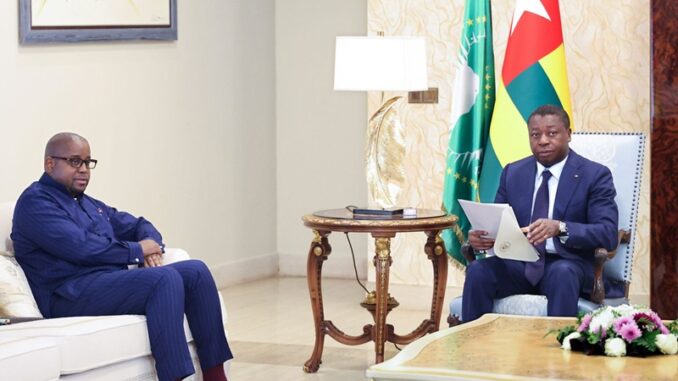
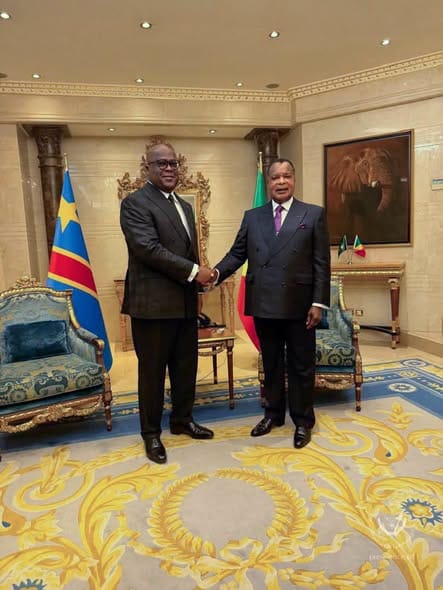
President Félix-Antoine Tshisekedi Tshilombo travelled to Brazzaville on Saturday 3 October 2026 for talks with his counterpart Denis Sassou Nguesso. At the top of their agenda was the Makotipoko incident and the urgent need to prevent any repeat. Both heads of state reaffirmed that the fraternal bonds and good-neighbourly relations between their peoples must never be put at risk by isolated clashes. The meeting was framed not only as a gesture of appeasement but as a signal to public opinion on both sides of the river that the crisis is being contained.
Tshisekedi’s message: one people, one culture
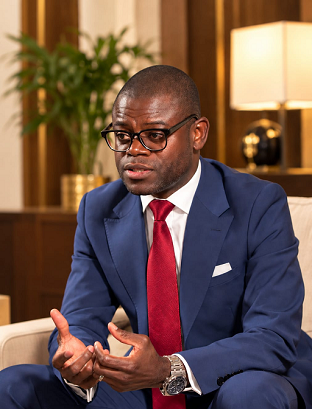
In his remarks, the Congolese president struck a conciliatory tone, insisting that the populations of Kinshasa and Brazzaville belong to the same community. He revealed that he had brought his interior and defence ministers along precisely so that they could work directly with their counterparts on mechanisms to avoid future incidents. “We are one people, we share the same culture. We are meant to live together,” he said, summing up the spirit of the encounter. For observers, the presence of the security chiefs turned the visit into a working session rather than a purely ceremonial one.
Compensation on the table for victims
Beyond the diplomatic handshake, President Tshisekedi announced that he intends to meet the victims of the Makotipoko clash in the near future and to launch a formal compensation process. The promise has been widely discussed in riverine communities, where many families are still waiting for concrete relief after the violence. The announcement marks a shift from general statements to a specific commitment, although the practical details of who will receive what, and when, remain to be defined.
Eastern Congo and the Washington accords
The two leaders also reviewed the security and humanitarian situation in eastern DRC. They called for strict compliance with the Washington agreements, underlining that stability in the region remains a shared concern. Linking the eastern crisis to the Makotipoko fallout, the discussions highlighted how quickly local incidents can complicate broader bilateral cooperation.
What comes next for the two Congos
The immediate crisis has been defused, but the harder test lies ahead. Public debate now centres on whether the promised compensation will materialise, whether border communities will feel safer, and whether Kinshasa and Brazzaville can turn a reactive de-escalation into a durable framework for managing shared spaces. The incident has exposed the fragility of everyday life along the Congo River, where trade, fishing and family ties depend on calm. If the commitments made in Brazzaville are honoured, Makotipoko could become a turning point. If not, the same tensions may resurface, and the next clash could be harder to contain.