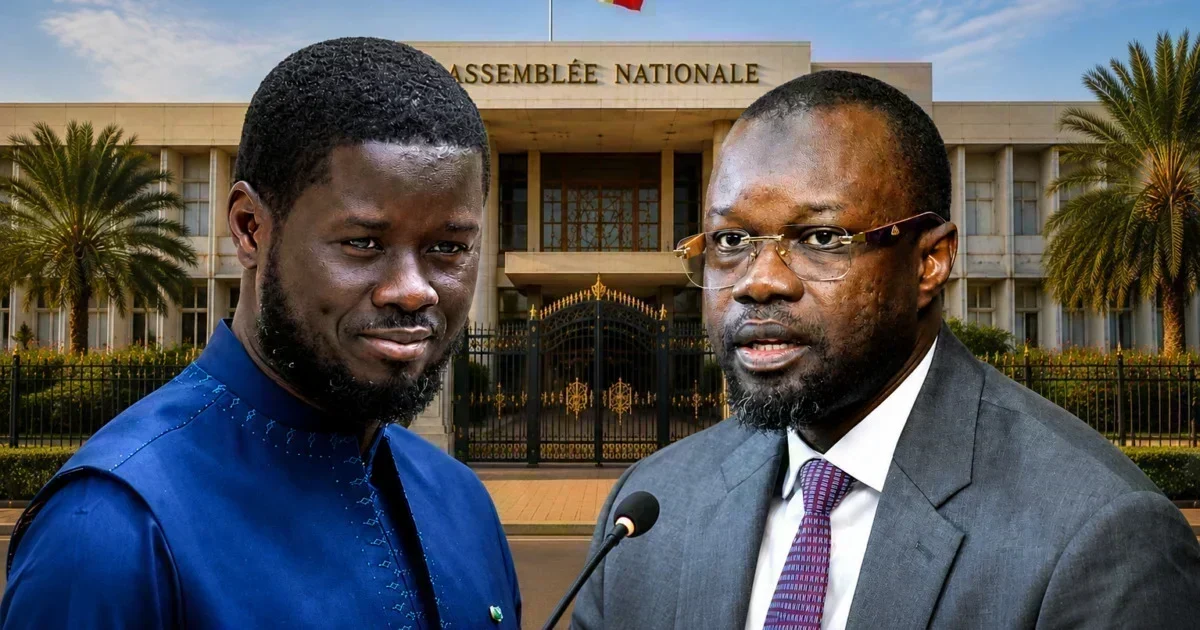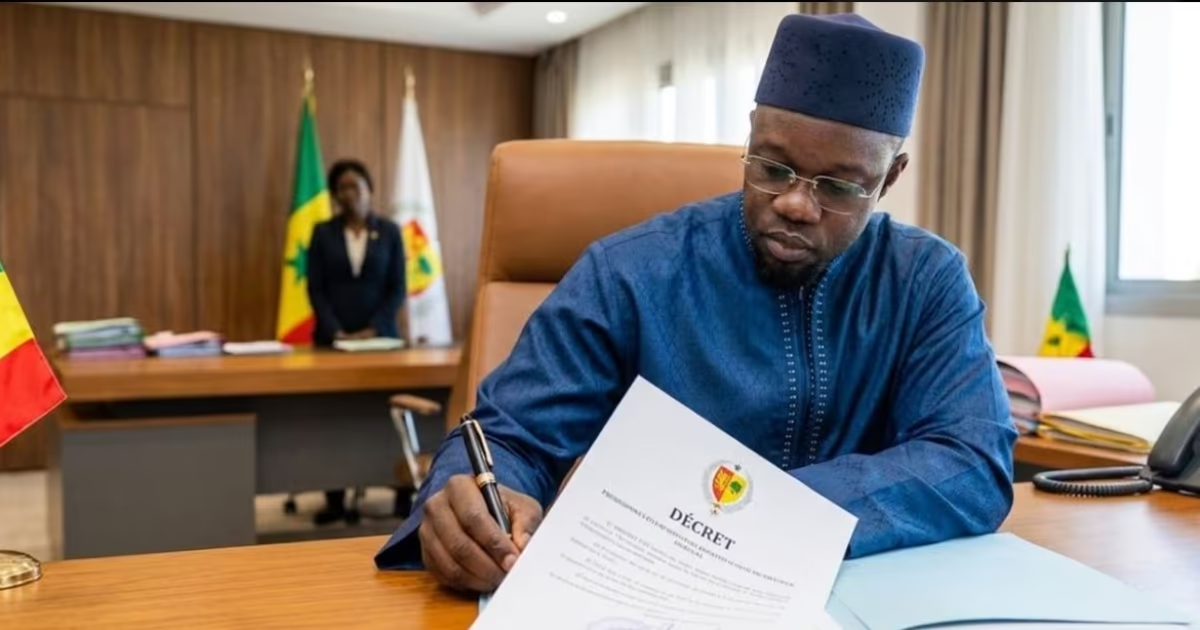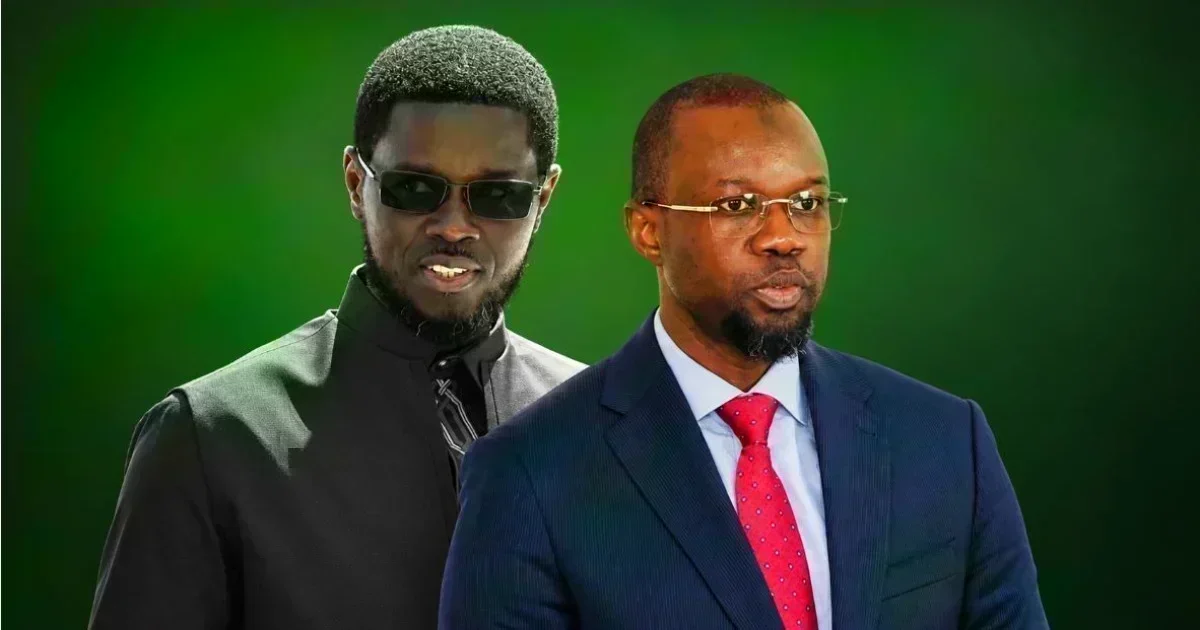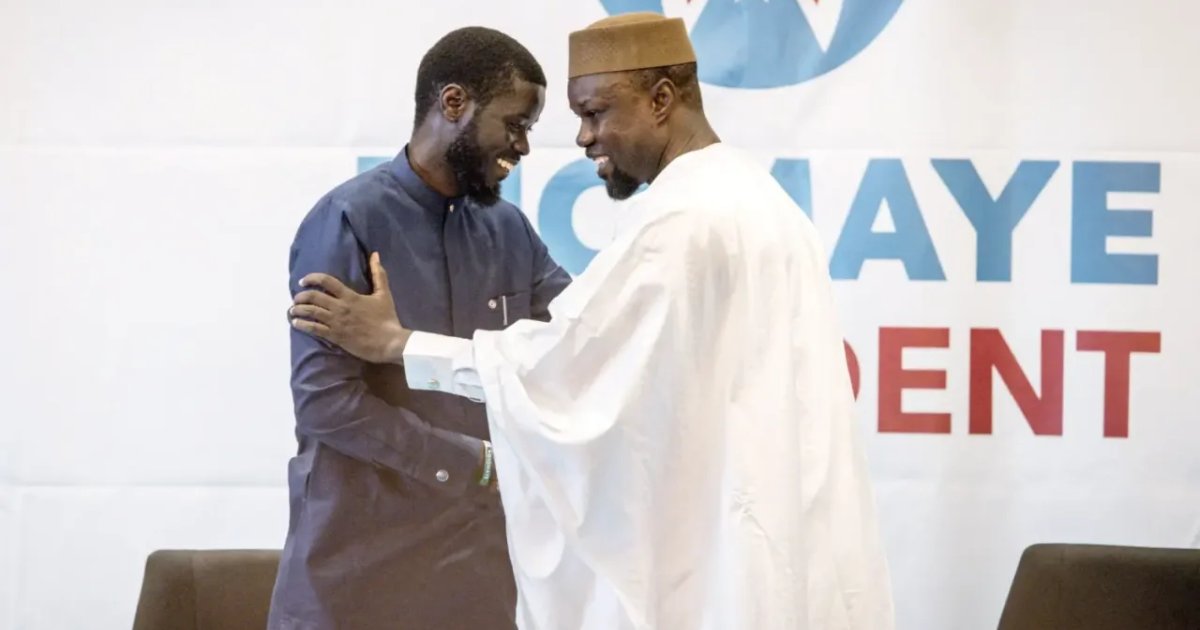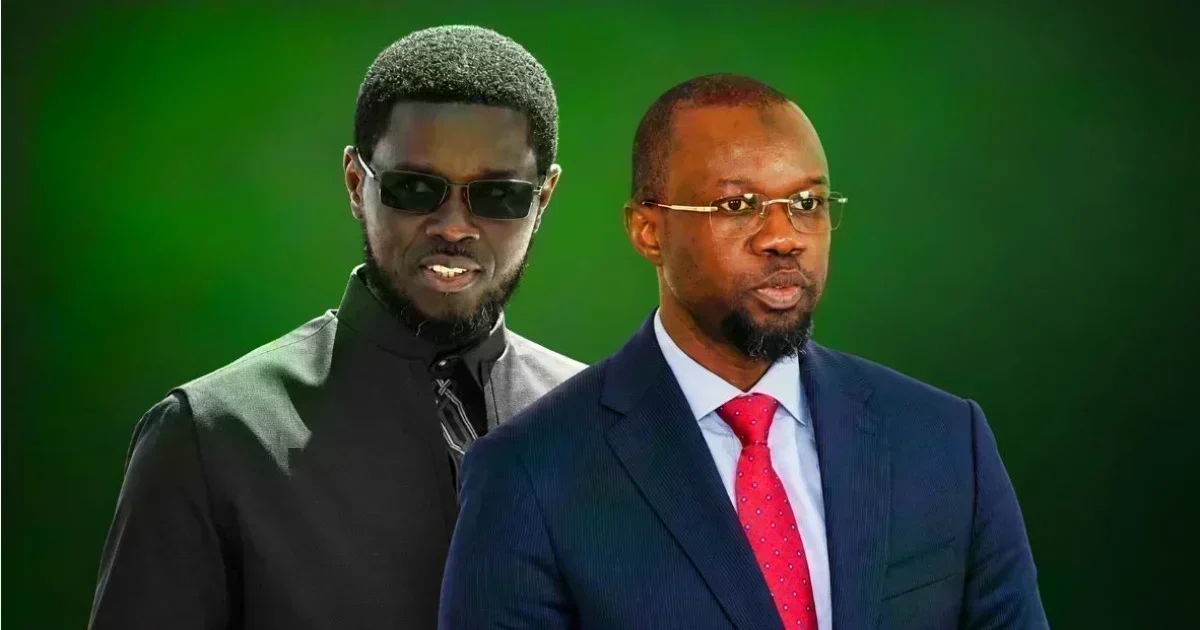
The latest clash between Senegal’s legislative and executive branches has reached a critical juncture, with the National Assembly defying the presidency to push forward a controversial reform of special funds. The move sets the stage for another high-stakes constitutional showdown between Ousmane Sonko’s parliamentary majority and President Bassirou Diomaye Faye’s government.
Parliamentary majority forces through transparency reform despite presidential opposition
On October 1, 2026, Senegal’s National Assembly, led by the Pastef party of Prime Minister Ousmane Sonko, approved a constitutional amendment targeting the management of special funds. The reform, which modifies the Organic Law on Budgetary Laws (LOLF), seeks to enhance fiscal transparency and curb the misuse of off-budget funds often criticized as the presidency’s “slush fund.”
The government had proposed significant amendments, but the parliamentary majority rejected them outright, opting instead to send the bill directly to the Constitutional Council. This marks the second attempt by the legislature to push the reform, following an earlier version struck down by the Council on August 25, 2026, which ruled that such matters fell under the exclusive domain of organic law.
Key disputes fuel institutional tensions
The government, represented by Justice Minister Moussa Sarr, argued that the reform would undermine the president’s constitutional mandate to address social emergencies. The proposed law sought to restrict special funds to defense, security, and diplomacy, but the government insisted that these funds must also support national solidarity initiatives, as enshrined in the Constitution’s first article.
Another point of contention was the legislature’s oversight powers. The government proposed limiting parliamentary scrutiny to the current fiscal year, stripping the Assembly of its ability to review fund usage at year-end. The Executive also sought to require that any ministerial hearings be routed through the presidency, a move critics argue would centralize control and weaken accountability.
Constitutional Council awaits the next round
Faced with parliamentary defiance, the government invoked the constitutional “blocked vote” mechanism, arguing that the reform must align with regional directives from UEMOA and respect the exclusive oversight role of the Court of Auditors. However, the National Assembly stood firm, rejecting all government amendments and sending the bill to the Constitutional Council for review.
The Council’s decision will be pivotal. A law organique cannot be enacted without its constitutional approval, and the government has vested interests in shaping the outcome. Legal experts anticipate a protracted legal battle, with implications for Senegal’s fiscal governance and the balance of power between institutions.
As the confrontation intensifies, Senegalese citizens and businesses brace for potential fallout, from delayed budget implementations to heightened political uncertainty. The stakes could not be higher as the country navigates this constitutional crossroads.