Benin’s 19th place in Africa: a wake-up call or a springboard?
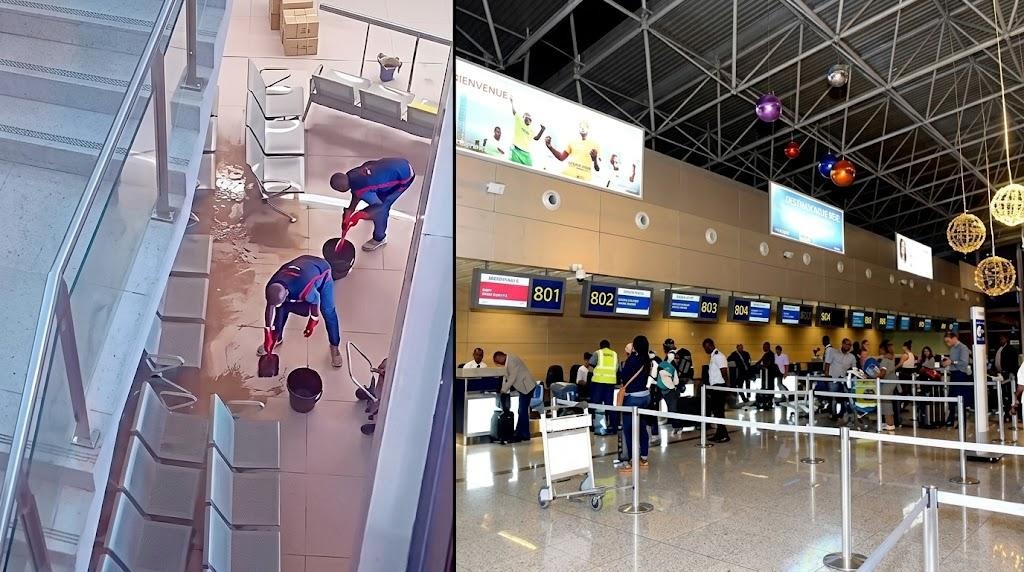
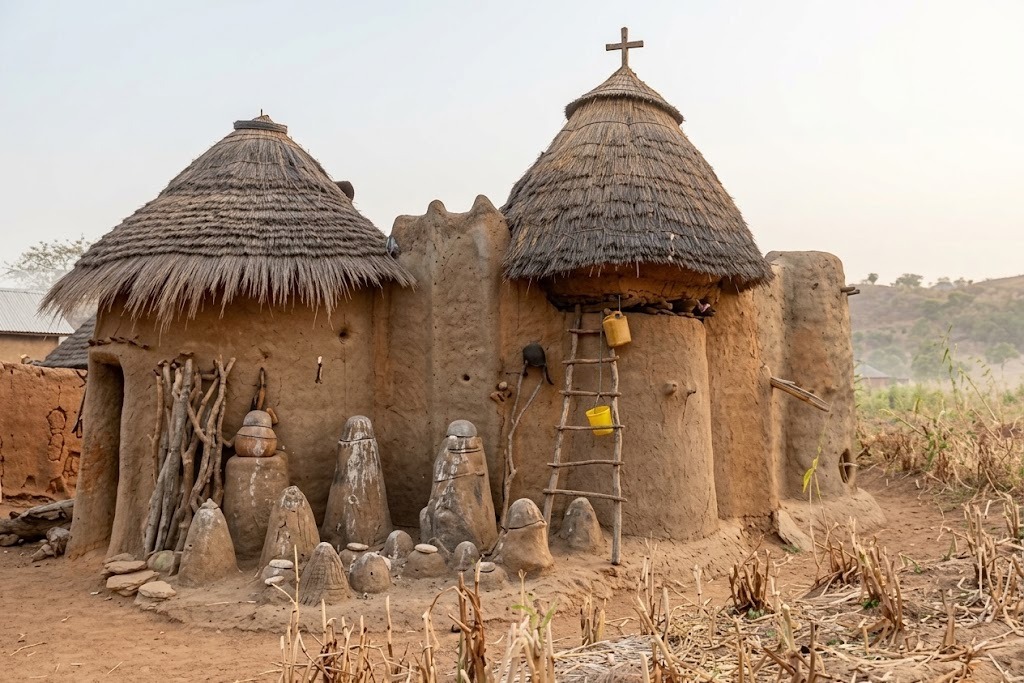
Benin currently sits 19th among African nations in tourism destination development, according to the World Economic Forum’s Travel & Tourism Development Index. That ranking weighs infrastructure maturity, business climate, connectivity, and sector sustainability. For a country with remarkable heritage assets — from the royal palaces of Abomey to the slave route in Ouidah — the position stings. Yet it also serves as a candid mirror: the potential is undeniable, but the ecosystem needs a deep structural overhaul to compete with the continent’s heavyweights.
What’s in the 600 billion FCFA envelope?
The government is preparing an unprecedented financial push. Roughly 600 billion CFA francs have been earmarked for tourism in 2027. The money targets the very gaps flagged by international assessments:
- Infrastructure and museography: Funding the completion and operation of flagship museum projects — the Museum of Kings and Amazons in Abomey, the Museum of Memory and Slavery in Ouidah, and the Cotonou Art Museum.
- Site development: Rehabilitating iconic tourist circuits, including the stilt village of Ganvié and the Slave Route.
- Hospitality and capacity building: Strengthening the hotel chain, training local operators, and modernising logistical access.
Reactions: hope, scepticism, and the demand for transparency
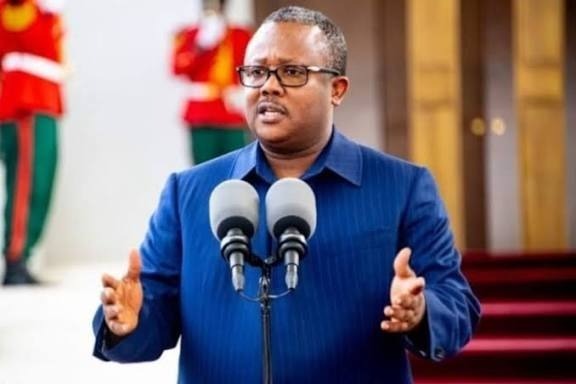
News of the 600 billion FCFA allocation has sparked a lively public debate. For many citizens, the scale of the investment signals genuine political will. Tour operators and hoteliers see a long-overdue boost, especially for training and infrastructure. But sceptics question whether the funds will be disbursed efficiently, pointing to past delays in flagship projects. Civil society groups are calling for clear oversight mechanisms and regular progress reports. The conversation has also turned to how ordinary Beninese — artisans, guides, small businesses — will actually benefit.
The 2030 target: tourism as a second economic engine
The plan’s ultimate goal is to lift tourism’s contribution to GDP to 13% by 2030. Today, that share is still consolidating. By converting its 19th-place African ranking into a launchpad, Benin is betting that cultural and tourism investment will become the country’s second sustainable growth driver, alongside agriculture and port activity. Whether the 2027 envelope delivers will depend on execution — and on whether the promised museum openings, site upgrades, and training programmes materialise on time.
What comes next: from promises to measurable outcomes
As 2027 approaches, attention will shift from announcements to results. Key questions remain: Will the museums open as scheduled? Will the hotel sector absorb new demand? And will the benefits reach beyond Cotonou and Ouidah? The government’s ability to answer these questions will determine whether the 19th-place ranking becomes a footnote or a turning point. For now, the 600 billion FCFA bet has done something important — it has put tourism at the centre of national debate, with citizens watching closely.