Senegal’s December 2 pivot: the day the presidency stops waiting
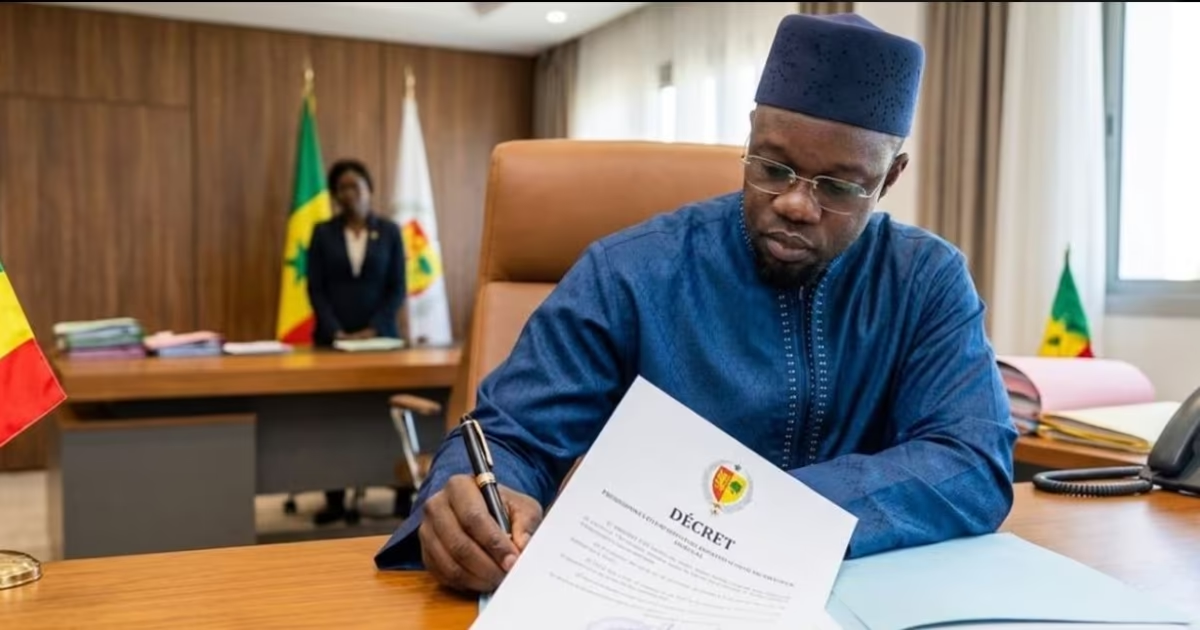
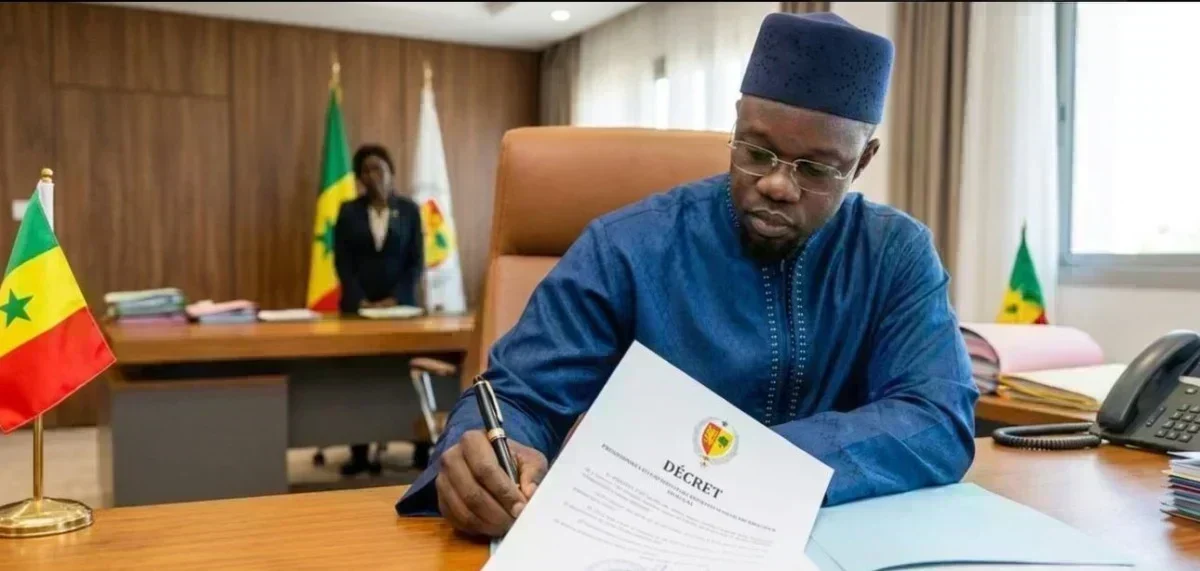
December 2, 2026 is the day the balance of power in Senegal stops being a matter of speculation. From that date, President Bassirou Diomaye Faye can legally dissolve the National Assembly after losing his majority to Pastef — and that single constitutional switch transforms a frozen cohabitation into an open contest for control of the country.
Why the calendar, not the president, sets the tempo
Nothing about the date is accidental. Article 87 of the Constitution authorises the head of state to dissolve the National Assembly once the first two years of a legislature have elapsed. The current chamber, dominated by Ousmane Sonko’s Pastef, was elected in November 2024 and installed its bureau on December 2, 2024. December 2, 2026 is therefore the very first day on which dissolution becomes legally possible — a deadline political observers across West Africa are tracking closely.
From shared project to split house
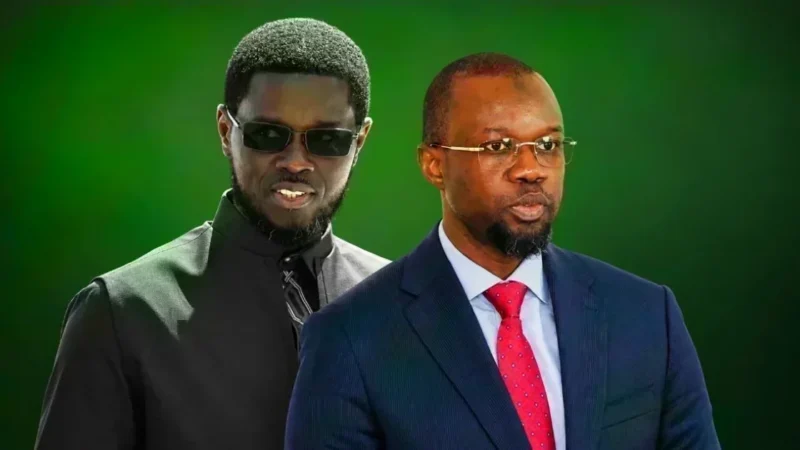
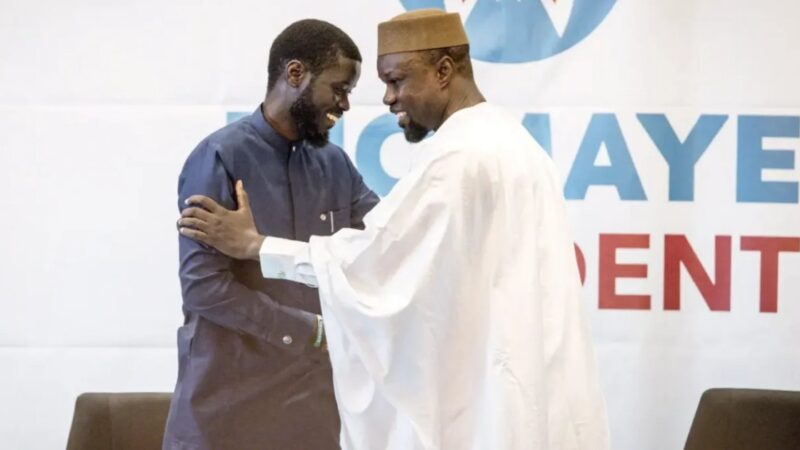
The political landscape, however, has been rewritten since this fifteenth legislature took office. Following the break with Ousmane Sonko’s Pastef on May 22, 2026, the president no longer commands a parliamentary majority. The former prime minister now leads the chamber, while the head of state has assembled a fresh government and launched his own movement, Kiiraay. Senegal is living through an unprecedented form of cohabitation: two camps born of the same movement, no longer sharing the same line.
What the president says — and what his ministers say louder
Officially, no decision has been taken. Questioned in New York, Bassirou Diomaye Faye cooled the speculation, pointing out that “we are not yet at December 2” and that no date had been fixed for a dissolution or for elections. He has nonetheless never shut the door. Around him, the tone is far less cautious. By mid-August, Trade Minister Serigne Guèye Diop was already announcing that the country was heading towards fresh legislative elections, accusing majority deputies of working to “sabotage” presidential action and of systematically rejecting initiatives coming from the Palace. Between the president’s restraint and his ministers’ impatience, the suspense is carefully maintained — and it plainly serves the strategy: the mere threat of dissolution weighs on parliamentary debate long before it becomes reality.
Two election calendars on a collision course
If the decree is signed in the opening days of December, the country would be plunged into a sprint campaign. The Constitution caps the interval, requiring a vote between sixty and ninety days after dissolution — which would place the new legislative elections somewhere between late January and early March 2027. The 2024 precedent shows how fast this can move: dissolved on September 12, the Assembly was renewed by November 17.
That timetable nonetheless collides with another deadline. Prime Minister Ahmadou Al Aminou Lo has announced that the territorial elections will be held on January 17, 2027. Two nationwide ballots only weeks apart would create serious logistical and political difficulties. The idea of “coupling” the two votes, floated by some officials, runs up against legal time limits. A dissolution could therefore trigger, by knock-on effect, a reshuffle of the local election calendar — a prospect civil society is already monitoring.
Doing nothing also comes with a price
The alternative is to do nothing, at least for now. Dissolution is a right, not an obligation, and the president may simply let the legislature run its course. But that status quo is not free: it means governing with a chamber that is no longer his. The first test is already on the table. The amended finance bill tied to the agreement with the IMF reached the National Assembly on September 18, and Ousmane Sonko has publicly demanded clarification on the content of that agreement and on how the debt is being handled. The 2027 budget comes next.
Under this scenario, every significant text turns into a tug-of-war. The president has already framed the terms of the debate, reminding each side of its responsibilities and insisting that the people are the ultimate arbiter. Standing still would not be peace — it would be a war of position, with January’s local elections as its first judge.
The bill: what a snap legislative vote really costs
Money is no minor detail in a country negotiating with its lenders and trying to contain its debt. The 2024 precedent offers a reliable baseline. During that year’s amended finance bill debate, the finance minister put the cost of organising the early legislative elections of November 17, 2024 at 20 billion FCFA. Electoral material alone carries enormous weight: with 41 lists in contention, the Interior Ministry spent more than 11 billion FCFA on printing ballot papers and campaign documents. For comparison, the entire March 2024 presidential election cost roughly 14 billion FCFA.
A new dissolution would therefore require at least 20 billion in additional spending, on top of the local elections. The argument has already broken out inside the presidential camp itself, where a Kiiraay departmental official in Kaolack has come out against holding the local vote immediately, calling the public expenditure irresponsible given the social emergency.
Kiiraay’s gamble: a two-month-old party faces the ballot box
For the head of state, a successful dissolution is the only route back to a majority and to governing without obstruction until the end of his term. That is precisely what Kiiraay is about — launched in July to give his majority lasting structure and to prepare the coming electoral battles, including the local elections scheduled for 2027.
The risk, though, is considerable. The movement is barely two months old and has never faced voters. A defeat in the legislative elections would leave the president confronting an Assembly re-legitimised by universal suffrage — and therefore even more hostile — for the remainder of his mandate. That is what makes January’s local elections so strategic: they can serve as a barometer before the dissolution card is played, or expose a weakness that would make it a suicidal bet.
Pastef’s paradox: dominant, and therefore exposed
Pastef starts from a commanding position, holding 130 of the 165 seats won in 2024. In an early election, the party has mathematically almost nothing to gain in seats and a great deal to lose. But the real stake lies elsewhere. A decisive victory after the rupture would vindicate its activists, who accuse the president of betraying the project, and would install Ousmane Sonko as the true centre of political gravity in the country.
Sonko’s party is under no illusions. At the very moment the president was launching Kiiraay, the speaker of the National Assembly was on a nationwide tour dedicated to selling PASTEF membership cards. Each side is preparing for an electoral fight, whether the date falls in January or later.
The outsiders: an opening for the parties flattened in 2024
For the formations crushed in 2024, a recomposition would be a windfall. The split within the former majority has opened unprecedented space, and an early election would give the opposition a shot at parliamentary representation worthy of the name. It will still have to choose where to stand between two blocs that both claim the legacy of the 2024 rupture. A tactical alliance with one camp or the other could well become the key to the next vote.
December 2 opens a window — it settles nothing
In the end, December 2 does not mark a decision; it marks the moment when every option becomes available at once. The president can dissolve on that very day, wait for the verdict of the local elections, or keep the threat in reserve as leverage over deputies. Until then, the handling of the amended finance bill and the 2027 budget will say a great deal about the temperature between the two former partners. One thing already looks settled: 2027 will open under the sign of the ballot box — and that is most likely where the real arbitration between Diomaye Faye and Ousmane Sonko will be decided.