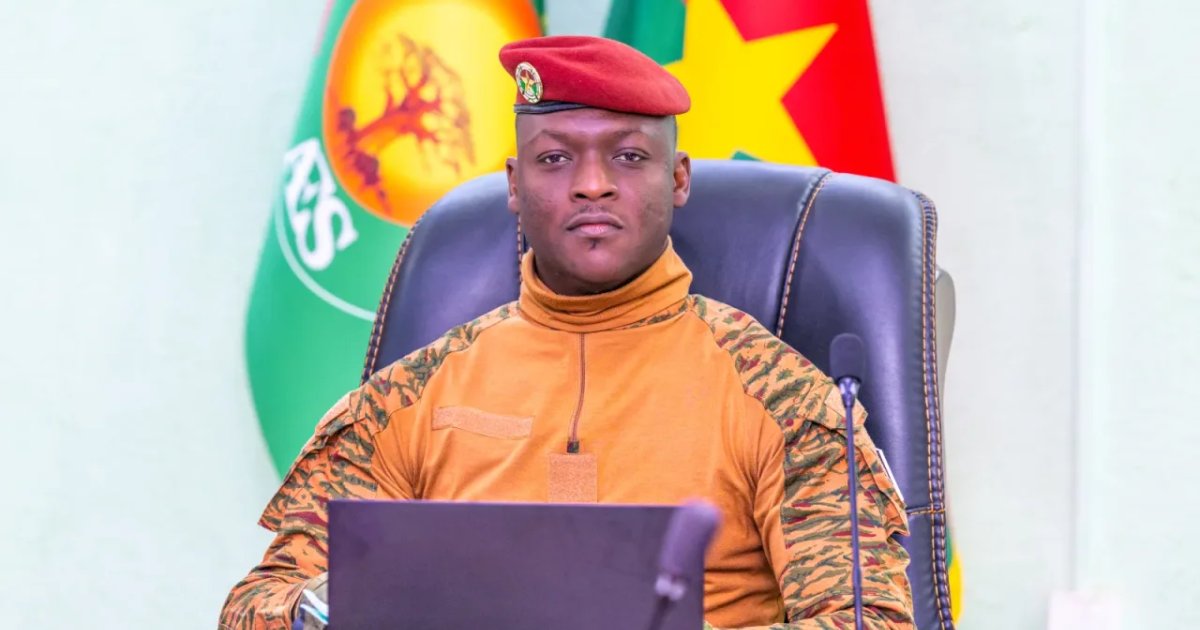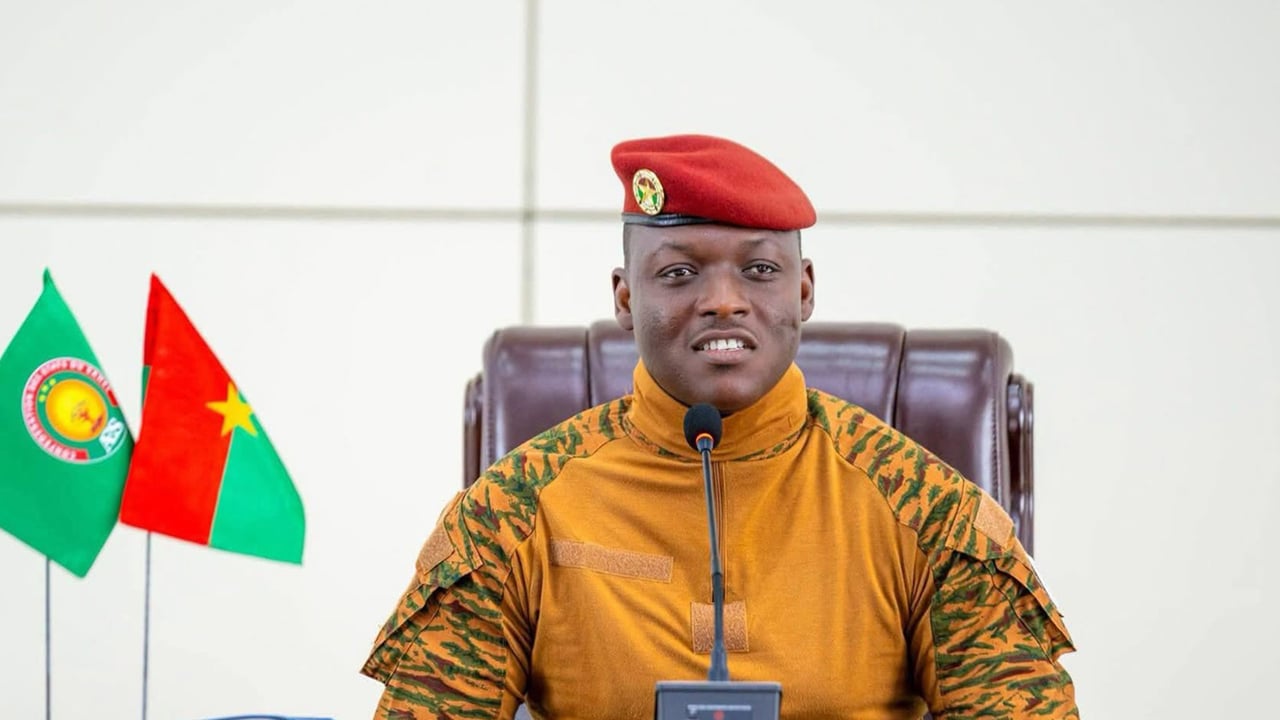

When Ibrahim Traoré, Burkina Faso’s young military leader, and Marine Le Pen, the veteran French nationalist, found themselves echoing the same sovereignty rhetoric, the fallout was immediate. Their shared language on national independence and resistance to external interference has ignited a fierce public debate — not only in Ouagadougou and Paris but across the entire Sahel. The convergence has sparked reactions from citizens, analysts, and diplomats alike, all asking the same question: what comes next?
The sovereignty echo: a shared vocabulary
At first glance, Ibrahim Traoré and Marine Le Pen appear to inhabit opposite ends of the political spectrum. Yet their discourse on sovereignty reveals a striking overlap. Traoré, who took power in a 2022 coup, has consistently framed his agenda as a break from France’s influence and a rejection of foreign meddling. Le Pen, meanwhile, has long championed French sovereignty against supranational institutions like the European Union. The two leaders’ words — though rooted in different contexts — carry a similar tone of defiance and national pride.
Why the convergence matters
The alignment is not merely rhetorical. For Traoré, it reinforces his narrative of pan-African resistance and strengthens his standing within the Alliance of Sahel States. For Le Pen, it offers an unexpected validation of her anti-globalist stance, albeit from a leader she might otherwise criticise. The echo has become a talking point that transcends borders, feeding into larger conversations about sovereignty, intervention, and the future of West Africa’s relationships with former colonial powers.
Fallout and public reaction
Reactions have been swift and varied. In Burkina Faso, some citizens see Traoré’s stance as a long-overdue assertion of independence. Others worry that aligning — even implicitly — with a figure like Le Pen could isolate the country further. In France, Le Pen’s opponents accuse her of exploiting the Sahel crisis for political gain, while her supporters hail the comparison as proof that her ideas resonate beyond Europe.
Diplomatic ripples
The diplomatic fallout is already being felt. The convergence complicates France’s already strained relations with Burkina Faso and its Sahel neighbours. It also raises questions about the future of the Alliance of Sahel States, a coalition that has positioned itself as an alternative to traditional regional blocs. For Western powers, the spectacle of a French far-right leader and a Sahelian military ruler sharing a sovereignty script is unsettling — and potentially destabilising.
What comes next?
The key question now is whether this convergence will translate into concrete action or remain a symbolic echo. Traoré has shown little interest in formal alliances with European political figures, and Le Pen’s influence is currently limited to French domestic politics. Yet the very fact that their discourses align so closely suggests a broader shift in how sovereignty is being claimed and contested — from the Sahel to the heart of Europe.
Scenarios for the future
- Deepening alignment: If Traoré and Le Pen continue to echo each other, the convergence could harden into a de facto ideological front, further polarising international debates on intervention and national autonomy.
- Symbolic only: The overlap may remain a rhetorical curiosity, with no practical consequences beyond media attention and public debate.
- Backlash and isolation: For Burkina Faso, any perceived closeness to Le Pen could deepen its isolation from Western partners, complicating humanitarian and security cooperation.
Whatever the outcome, the Traoré-Le Pen sovereignty echo has already done something significant: it has forced a public conversation about who gets to define sovereignty, and at what cost. In the Sahel, where insecurity and humanitarian needs remain acute, that conversation is far from over.