As Benin and Germany edge toward signing a fresh bilateral security agreement, the reaction in Cotonou and Berlin is already shaping a wider conversation about West Africa’s stability and the future of the partnership. The deal, still being finalised, has sparked debate over how far external support can go in containing armed groups pushing down from the Sahel — and what it will mean for ordinary citizens and the regional balance of power.
A partnership at a turning point
Diplomatic ties between the Republic of Benin and the Federal Republic of Germany are set to enter a new strategic phase. With regional security pressures mounting and Cotonou pushing an ambitious economic agenda, Berlin is preparing to sign a new bilateral security accord while broadening the scope of its cooperation.
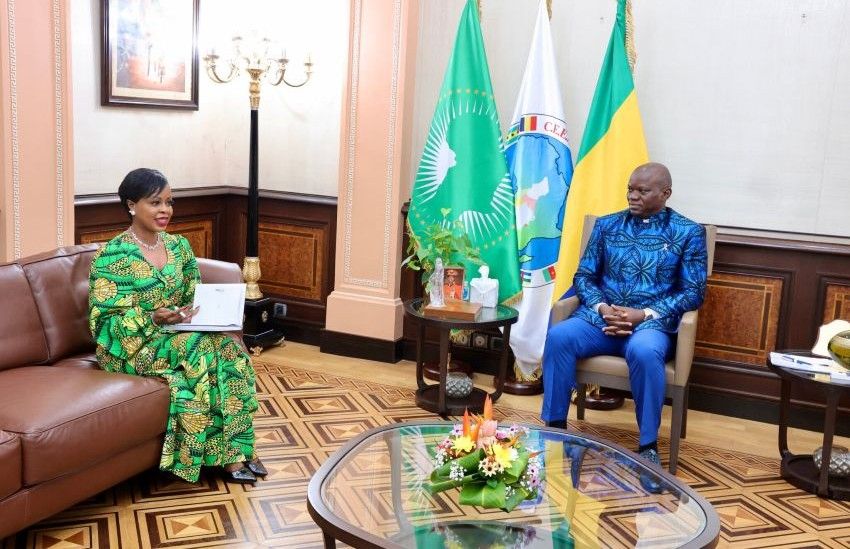
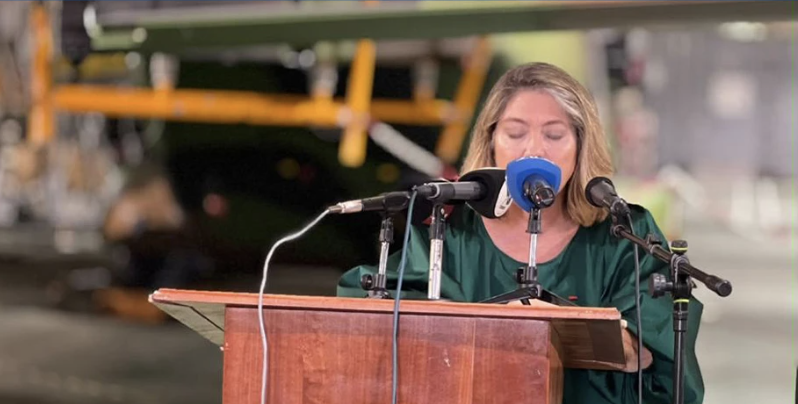
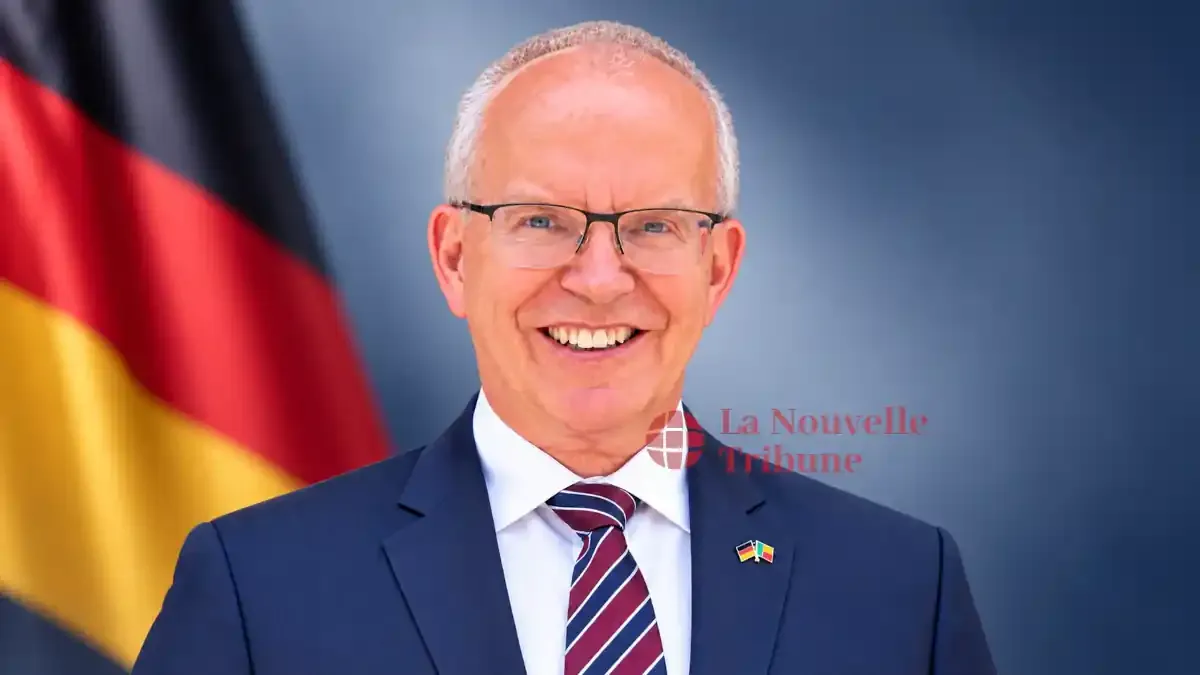
The direction was reaffirmed by Germany’s ambassador to Benin, Dr Stefan Buchwald, during celebrations marking German Unity Day. The envoy stressed his country’s intention to stand by Benin for the long haul — both in stabilising its border areas and in driving its economic transformation.
A structured security and military commitment
With armed non-state groups spilling out of the Sahel and threatening northern Benin, Germany intends to step up its institutional and operational support.
Beyond regular strategic staff meetings designed to align risk assessments and interventions, a new bilateral security agreement is currently being finalised. This legal and technical framework will govern new programmes for training, capacity building and equipment for Benin’s Defence and Security Forces (FDS).
Three pillars for development cooperation
On the socio-economic front, German-Beninese cooperation continues to rest on three priority areas:
- Good governance and decentralisation: Support for public finances and stronger management capacity for local authorities.
- Private sector and vocational training: Aligning youth training with labour market needs to tackle unemployment.
- Natural resource management: Preserving biodiversity and ensuring sustainable water management.
Towards faster private investment
Beyond official development assistance, Germany wants to encourage more of its companies to set up in Benin. The momentum generated by the Glo-Djigbé Industrial Zone (GDIZ) and the pro-investment reforms of the Investment and Export Promotion Agency (APIEx) are being highlighted as key selling points to attract investors from Europe’s largest economy.
To smooth trade flows and intensify economic diplomacy, the German diplomat also voiced hope that Benin’s embassy in Germany will reopen soon.
This strategic rapprochement confirms Benin’s place as a key German partner in West Africa — one that combines security imperatives with sustainable development.