Niger’s decisive turn: general Barmou’s fall becomes the junta’s tipping point
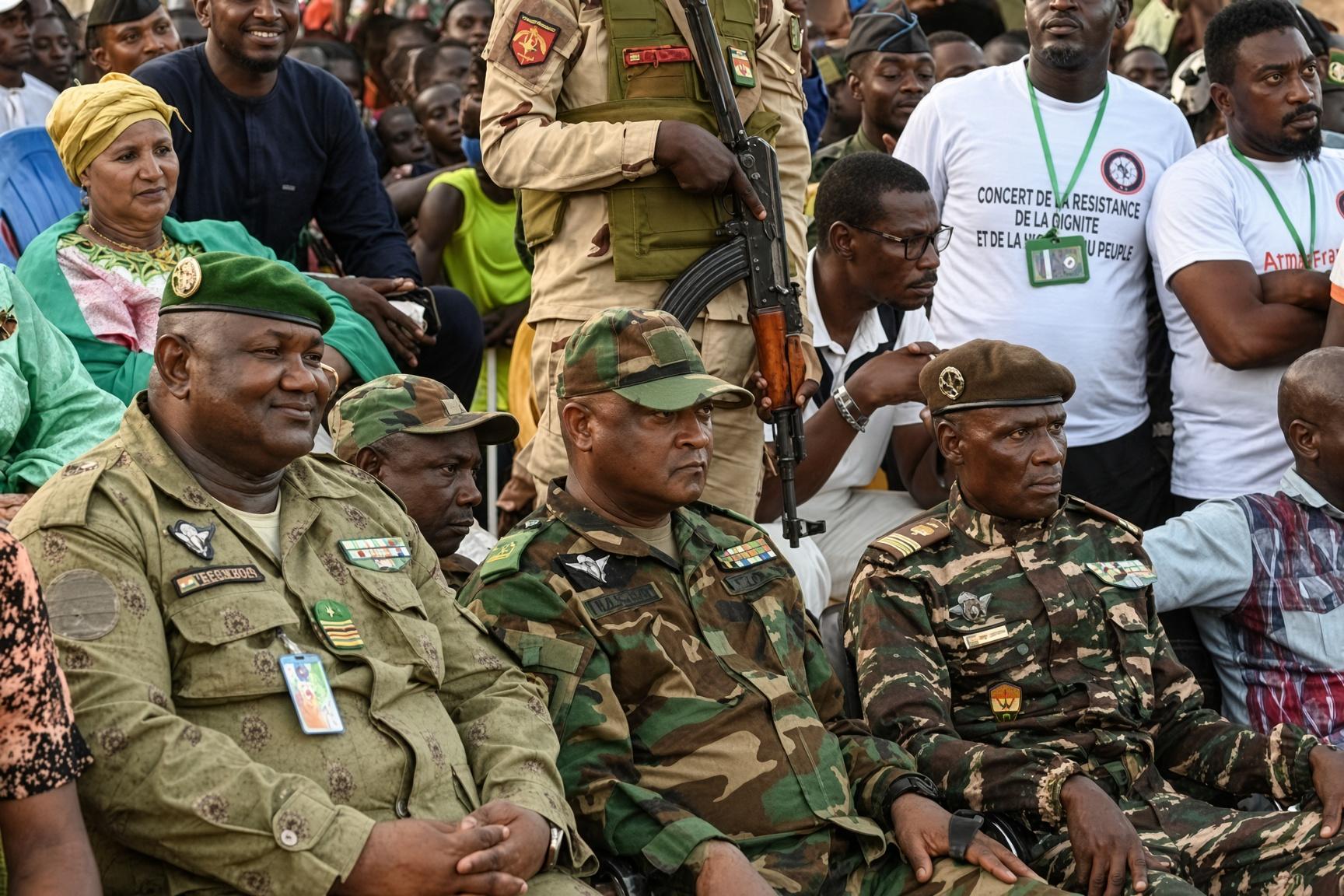
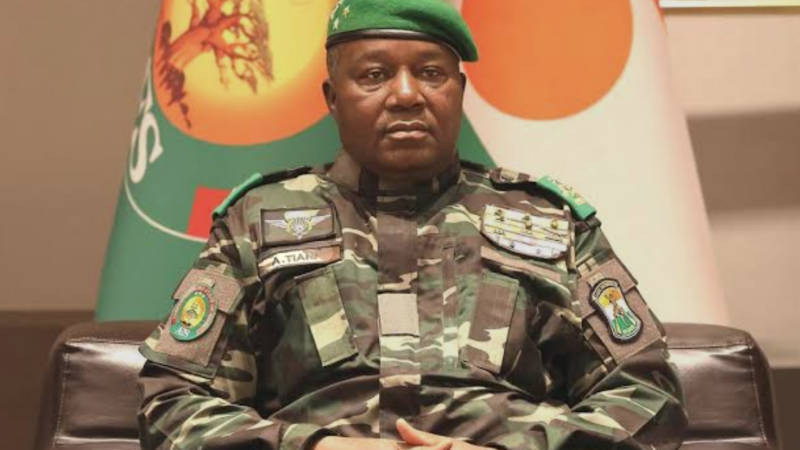
It is a decisive turning point at the very summit of Niger’s military command. Major General Moussa Salaou Barmou, until recently one of the pillars of the Niamey junta, is now caught in a political and security storm of his own institution’s making. Stripped of his post as chief of the general staff of the Nigerien Armed Forces (FAN) on 11 September 2026, the senior officer has been placed under house arrest at his home. The swift fall lands barely two weeks after the failed mutiny of 28 and 29 August at Air Base 101.
From putsch architect to man under guard
A leading figure in the July 2023 overthrow of Mohamed Bazoum, Moussa Salaou Barmou had embodied both the iron grip of Niger’s special forces and the continuity of military rule in the capital. That image has cracked. The tensions unleashed by the events at Air Base 101 shattered the outward unity of the command.
Suspected by the top of the regime of having links to the insubordination — although no direct involvement in the mutiny has been officially established — the general was removed by presidential decree and confined to his residence.
The reshuffle that followed, in one glance
- Moussa Salaou Barmou: dismissed as chief of the general staff on 11 September 2026 and placed under house arrest.
- Abdourahamane Tiani: the army general moved immediately to reassign the top job.
- Mamane Sani Kiaou: promoted from commander of the land forces to brigadier general in charge of the army, replacing Barmou at the helm.
Mutiny, suspicion and the tightening grip in Niamey
Many observers read this removal — carried out under close surveillance — as a new stage in the executive’s tightening hold on power. The way the August crisis was resolved, with elements of the Russian Africa Corps backing operations on the ground, laid bare deep fractures running through Niger’s security apparatus.
By neutralising one of the most influential officers in the country, the junta is sending a blunt warning down the entire military hierarchy: internal dissent will not be tolerated, and even the faintest suspicion of disloyalty is paid for immediately.
When the snake starts eating its own tail
In the capital, reactions swing between rumours of a denial that never came and a bitter acknowledgment that a broad crisis of confidence is now at work. For critics of the regime, the trajectory speaks to the trap built into governments born of exception: created through force, they are often consumed by suspicion of the very people who made them.
By turning on its earliest companions, the power in Niamey exposes how brittle alliances forged through constitutional rupture really are. The case of general Barmou is one more reminder that inside the machinery of a military regime, yesterday’s loyalty rarely guarantees tomorrow’s safety.