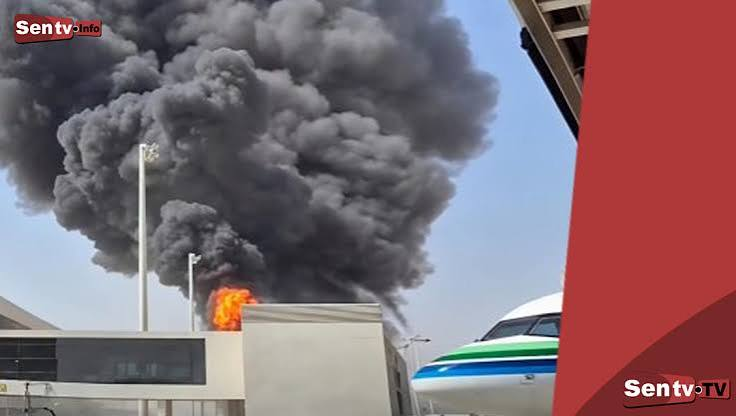
The strike on Riyadh’s King Khalid International Airport, claimed by Yemen’s Houthis, has triggered a wave of public debate across Saudi Arabia and beyond. Saturday’s attack left 13 people dead and 308 wounded, and the fallout deepened the following day when a projectile slammed into Terminal 4, sparking a fire that killed one person and injured 11 others. As authorities scrambled to assess the damage, a broader question took hold: what comes next for a kingdom whose airports and oil sites are now openly in the crosshairs?
A claim of responsibility that reshapes the conversation
Houthi military spokesman Yahya Saree said the group struck Riyadh’s airport with missiles and drones, and also claimed operations against Dammam airport and Saudi oil facilities. The group warned airlines to avoid the kingdom’s airports and airspace — a message that immediately fuelled debate about how safe Saudi skies really are.
Saudi officials said air defenses intercepted some of the projectiles, but confirmed that one hit a passenger hall in Riyadh, where a fire broke out. The airport suspended operations to allow damage assessment and security inspections, leaving travelers and analysts alike to weigh the implications.
Why the Houthis say they acted — and how Riyadh responds
The Houthis frame their attacks as retaliation for Riyadh’s backing of Yemen’s government forces and for Saudi strikes inside Yemen. In recent months, fighting has intensified after an offensive by Saudi-supported forces and the resumption of strikes on Houthi positions. The group insists its operations against the kingdom are a direct response to that intervention.
Saudi Arabia, for its part, treats fire on its territory as a direct threat to its people and infrastructure. The spokesperson for the Riyadh-led coalition condemned the attack, and authorities tightened security around the targeted sites. The exchange has left little room for de-escalation, even as calls for restraint grow louder.
Travel chaos and the wider questions it raises
The temporary closure of the airport and the subsequent inspections disrupted air traffic, causing delays and cancellations. Authorities and several diplomatic missions urged travelers to follow security guidance and check their flight status before heading to the airport.
Beyond the human toll, the attacks have exposed the risk that the Yemeni conflict could spill further onto Saudi soil. They have also stoked fears of more strikes against airports and strategic infrastructure, feeding a public conversation about whether the kingdom’s defenses can keep pace with the threat — and what it will take to restore confidence in the years ahead.