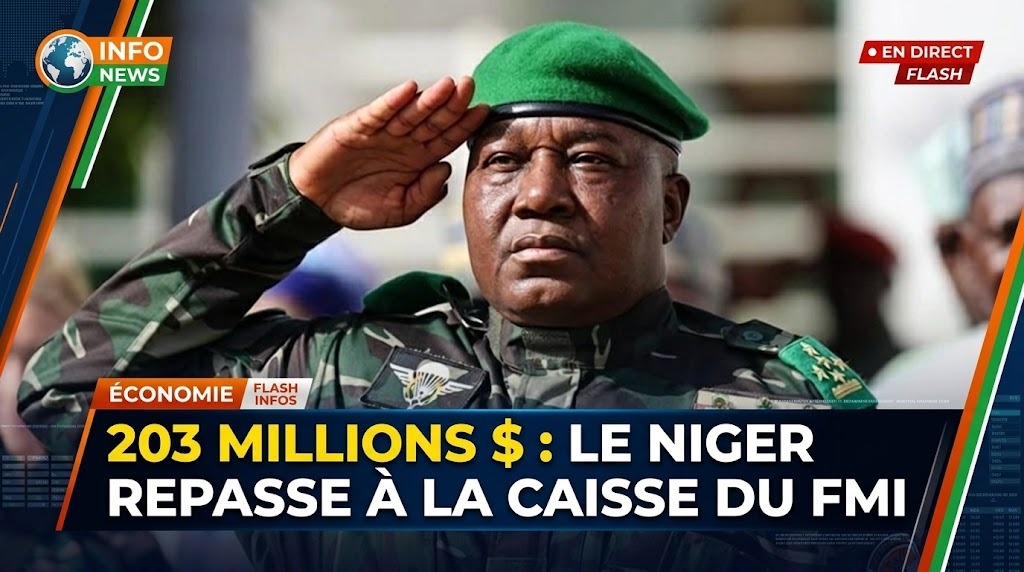
When negotiators from Niger and the International Monetary Fund wrapped up their talks in Niamey, they emerged with a staff-level agreement worth roughly $203 million. The headline number made waves. But the real conversation is only starting. The deal, hammered out during a mission that ran from September 28 to October 8, 2026, and led by IMF official Julia Bersch, still needs the IMF executive board’s green light — a decision penciled in for early December. Until then, nothing is final. And even after approval, the question that matters most is not how much money is on the table, but what it will actually do for a country where everyday life remains a daily struggle for millions.
A deal that raises expectations — and questions
The package, structured under the Extended Credit Facility, amounts to about 150.02 million Special Drawing Rights. It builds on a previous economic program and accompanies the final review of that arrangement, opening a new chapter in the financial relationship between Niamey and the Washington-based lender.
Yet this is not yet a done deal. The agreement was reached at the staff level, meaning it does not authorize any disbursement on its own. The executive board must sign off first. If that happens, an initial tranche of around $36 million could be released, with the rest unlocked according to the program’s timeline and conditions.
Reactions to the announcement have been mixed. Some see it as a sign of renewed international confidence in Niger’s economic trajectory. Others question whether another loan — even a concessional one — is what the country needs most right now, given its existing debt burden and the persistent pressure on public services.
An economy with momentum — and vulnerabilities
Niger enters this new phase with a complicated economic picture. The country is rich in natural resources, from oil to minerals, and its agricultural sector holds substantial potential. Oil extraction, mining and farming all contribute to national growth.
IMF projections put economic growth at 7% in 2026, easing slightly to 6.7% in 2027. Those numbers suggest real dynamism. But they sit alongside serious risks: security threats, climate shocks and trade disruptions continue to weigh on key sectors. The state also faces heavy financing needs — for social spending, infrastructure and rebuilding after natural disasters.
Rising global oil prices could boost export earnings, but the effects are not uniformly positive. Higher fuel and transport costs can squeeze businesses and households alike. The challenge for Niamey is to sustain growth while tackling the structural weaknesses that keep too many people locked out of its benefits. Growth alone will not improve living standards unless it translates into jobs, accessible public services and real poverty reduction.
The reform agenda: fiscal discipline and beyond
Under the new program, the government is expected to strengthen its budgetary position and keep public debt on a sustainable path. In practice, that means mobilizing more domestic revenue, spending more carefully and using available resources more efficiently.
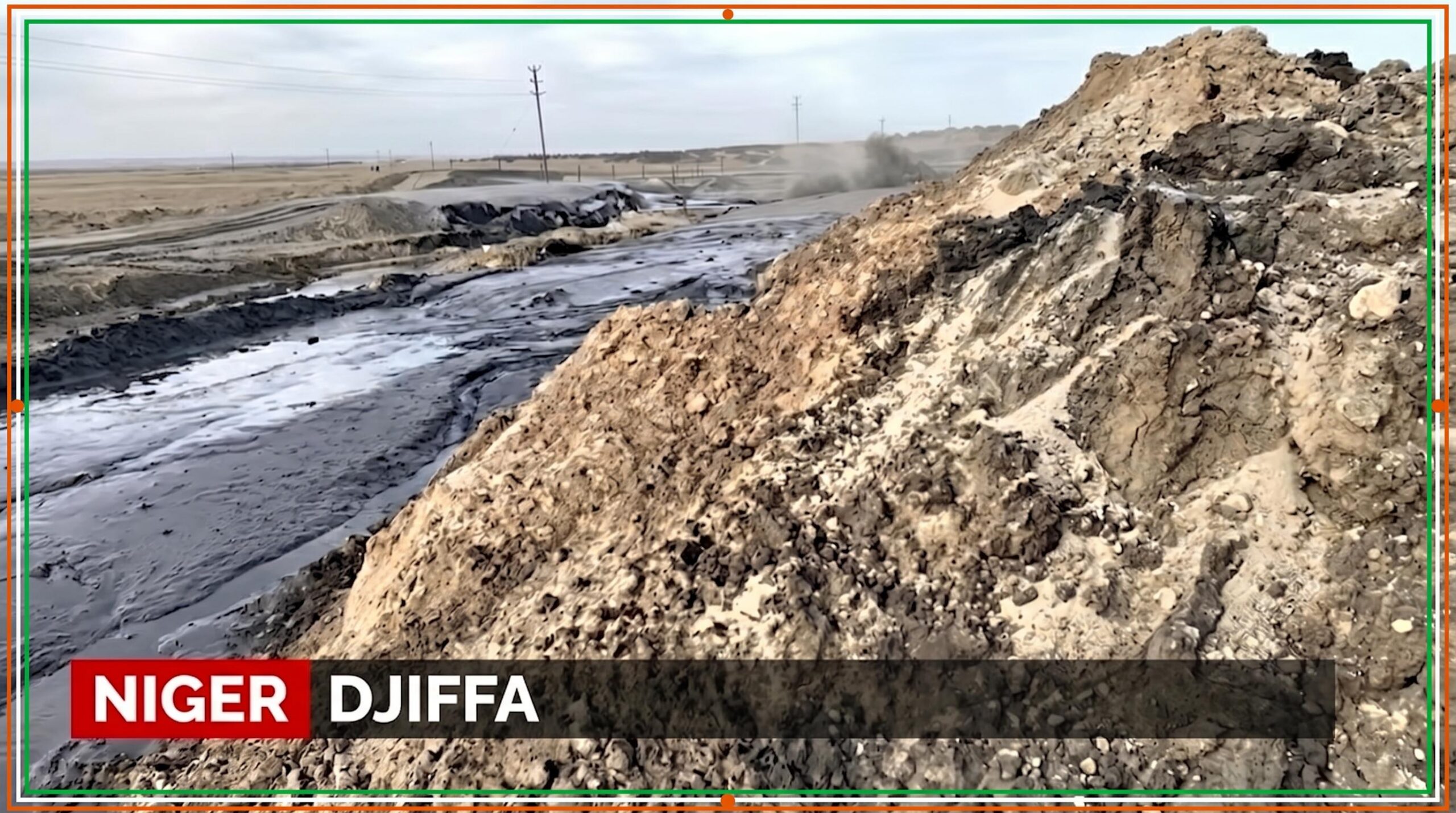
Oil revenue plays a central role in this equation. It offers a chance to widen fiscal space, fund structural investments and address social needs. But it also demands caution: commodity income is notoriously volatile.
The IMF has stressed the importance of continuing public financial management reforms, while prioritizing grants and concessional financing whenever possible. The goal is to lower the cost of state borrowing and protect medium-term economic stability. Transparency and accountability are also flagged as essential — not just for financial partners, but for building public trust at home.
Can the private sector carry the transformation?
Beyond fiscal stability, the 38-month program aims to foster stronger, more inclusive growth driven by the private sector. For Niger, economic diversification remains the central challenge. Heavy reliance on oil and mining would leave the country exposed to global price swings.
Developing agriculture, agro-industry, trade and small businesses could broaden the productive base and create jobs, especially for young people. Strengthening the financial system is another priority. A more robust banking sector, better able to lend to enterprises, can unlock investment and support entrepreneurship.
World Bank-backed initiatives are also expected to help micro, small and medium-sized enterprises. The aim is to create an environment where local actors have better access to financing and can play a bigger role in wealth creation.
What the public expects — and what it will judge
For ordinary Nigeriens, the value of this agreement will be measured less by its dollar figure than by its tangible effects. Jobs, purchasing power, food security, education, health care and infrastructure are the issues that matter most.
The government will need to ensure that fiscal consolidation does not come at the expense of access to essential services. Raising revenue and controlling spending must go hand in hand with protecting the most vulnerable.
Governance will be just as decisive. Effective use of resources requires credible oversight, better tracking of expenditures and regular evaluation of results. In a context of enormous needs and limited means, every public investment should contribute as much as possible to building economic resilience and improving lives.
A decisive moment ahead
The staff-level agreement offers Niger a significant financial window. But it is not a solution in itself. Its impact will depend on final board approval, the quality of implementation and the authorities’ ability to turn commitments into measurable outcomes.
The executive board meeting expected in early December 2026 will be a pivotal moment. It will clarify the terms of continued cooperation and, if approved, open the door to the first disbursements.
For Niamey, the stakes are twofold: preserve macroeconomic stability and use this new funding to drive economic and social transformation. The $203 million represents an opportunity. Whether it becomes a catalyst for lasting change — or just another line in the ledger — depends on the reforms and transparency that follow.