Reactions and outlook: what Inès Hadonou-Toffoun’s election means for Benin
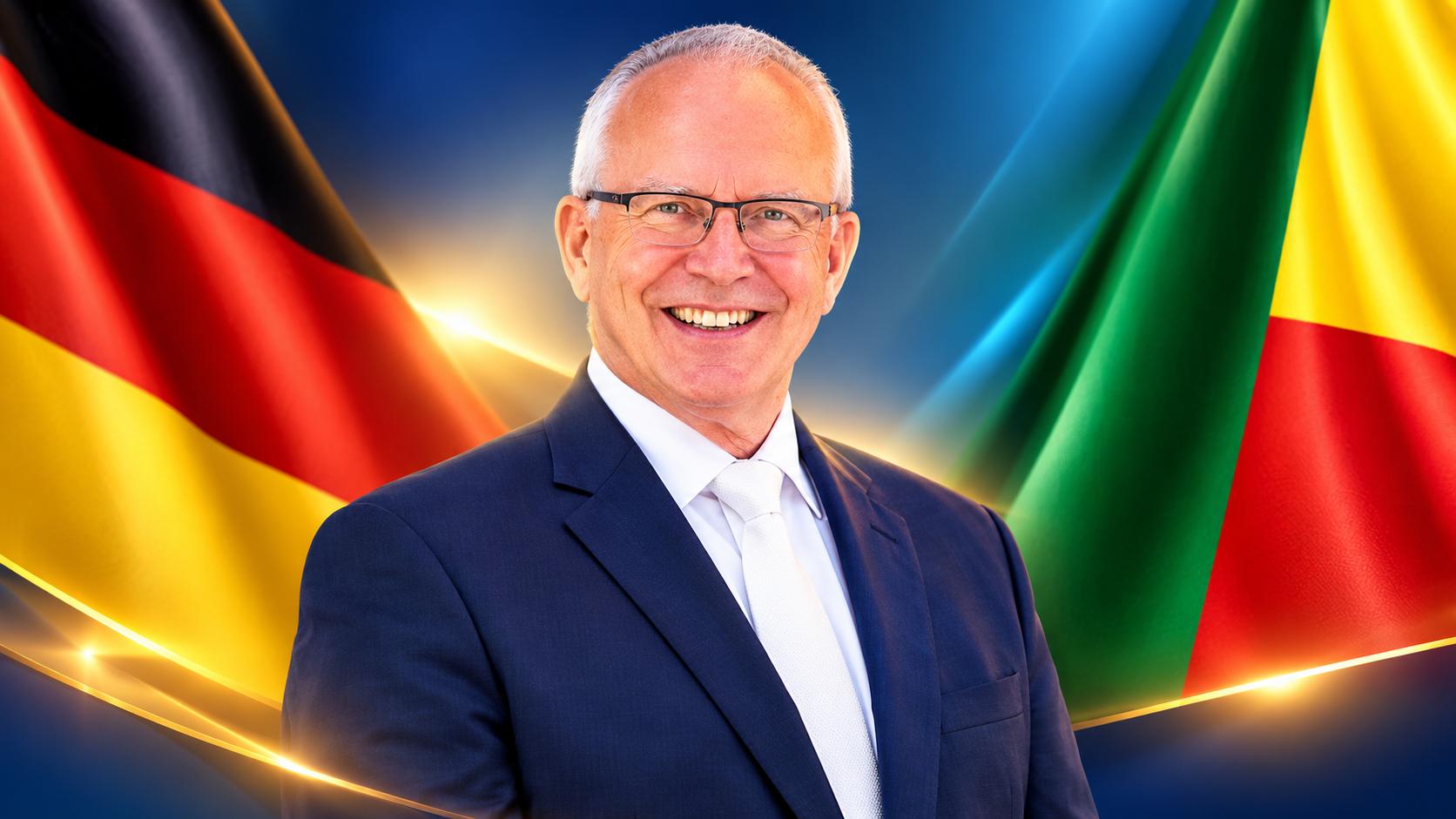
The election of the Beninese jurist Inès Hadonou-Toffoun to the United Nations Human Rights Council Advisory Committee has sparked a wave of reactions across Benin and beyond. As the country celebrates a new diplomatic milestone, questions are already emerging about what this seat in Geneva will actually deliver between 2026 and 2029. Beyond the personal accolade for Hadonou-Toffoun, the election opens a fresh chapter for Benin’s engagement with global human rights debates — and raises expectations that will need to be met with concrete results.
A unique moment for Benin’s international standing
Benin has taken another significant step in its representation within international human rights bodies. The Beninese jurist Inès Hadonou-Toffoun was elected in Geneva to the Advisory Committee of the UN Human Rights Council, for a term running from 2026 to 2029.
This election places one of the country’s nationals among the 18 experts tasked with contributing to the work of this specialised body. It crowns the career of a legal professional and opens new prospects for Benin’s contribution to international debates on fundamental freedoms, human dignity and rights protection mechanisms.
At a time when human rights issues occupy a central place in international relations, this appointment sends a positive signal about Benin’s visibility. It also reflects the importance attached to legal expertise and the participation of national experts in multilateral mechanisms.
The Advisory Committee: a think tank for human rights
Attached to the UN Human Rights Council, the Advisory Committee is an expert body mandated to inform the Council’s work. Composed of independent specialists, it addresses thematic issues related to the promotion and protection of human rights.
Its mission includes conducting research, producing studies and formulating opinions on subjects referred to it by the Council. Its work can help deepen understanding of complex problems and propose courses of action to improve the implementation of fundamental rights.
However, it is important to distinguish its role from that of the Council itself. The Advisory Committee is not a political decision-making body nor a court responsible for condemning states. It primarily provides specialised insight intended to support the Council’s reflections and decisions.
Inès Hadonou-Toffoun’s integration into this body will allow her to take part in a space of reflection where legal knowledge, comparative analysis and experience from different national contexts help shape international human rights orientations.
A three-year mandate to carry Beninese expertise
From 2026 to 2029, Inès Hadonou-Toffoun will sit alongside 17 other experts from different regions of the world. This diversity is one of the Advisory Committee’s key features: it encourages the exchange of experiences and approaches in examining challenges related to fundamental rights.
For Benin, this presence represents an opportunity to showcase its legal expertise in a demanding international environment. It can also help strengthen exchanges between specialists and promote better consideration of African realities in human rights analyses.
The impact of this election will nevertheless depend on the work accomplished during the mandate. Participation in studies, the quality of contributions and the ability to engage with other members will be decisive in translating this recognition into concrete results.
The mandate is therefore as much a distinction as a responsibility. It calls for rigour, independence of analysis and in-depth knowledge of the international norms that frame human rights protection.
Recognition with outcomes still to be built
Beyond the individual elected, this designation offers Benin a chance to consolidate its diplomatic and legal visibility. The presence of a national expert in a UN consultative mechanism can help promote Beninese skills and inspire new vocations among legal professionals.
It also reminds us that participation in international bodies is not limited to the political representation of states. Individual expertise, mastery of legal instruments and the ability to contribute to collective work play an essential role in the functioning of the multilateral system.
However, this election should not be interpreted on its own as an overall assessment of the human rights situation in Benin. The presence of a Beninese jurist on the Advisory Committee is above all a recognition of her appointment and a possibility to contribute to UN work.
A new chapter for Benin’s presence at the UN
The election of Inès Hadonou-Toffoun to the Advisory Committee of the Human Rights Council marks an important step for Benin’s representation in international expert mechanisms. Her mandate, spanning 2026 to 2029, will give her the opportunity to participate in reflections that are decisive for the evolution of norms and practices in fundamental rights.
For Benin, the challenge now will be to give full scope to this presence, by promoting national skills and encouraging sustained participation in international work. In Geneva, the Beninese jurist will carry a responsibility that goes beyond individual recognition: that of contributing, through her expertise, to the universal ambition of better protecting the rights and dignity of every human being.