A working visit that has reignited the conversation on Benin’s aerial ambitions
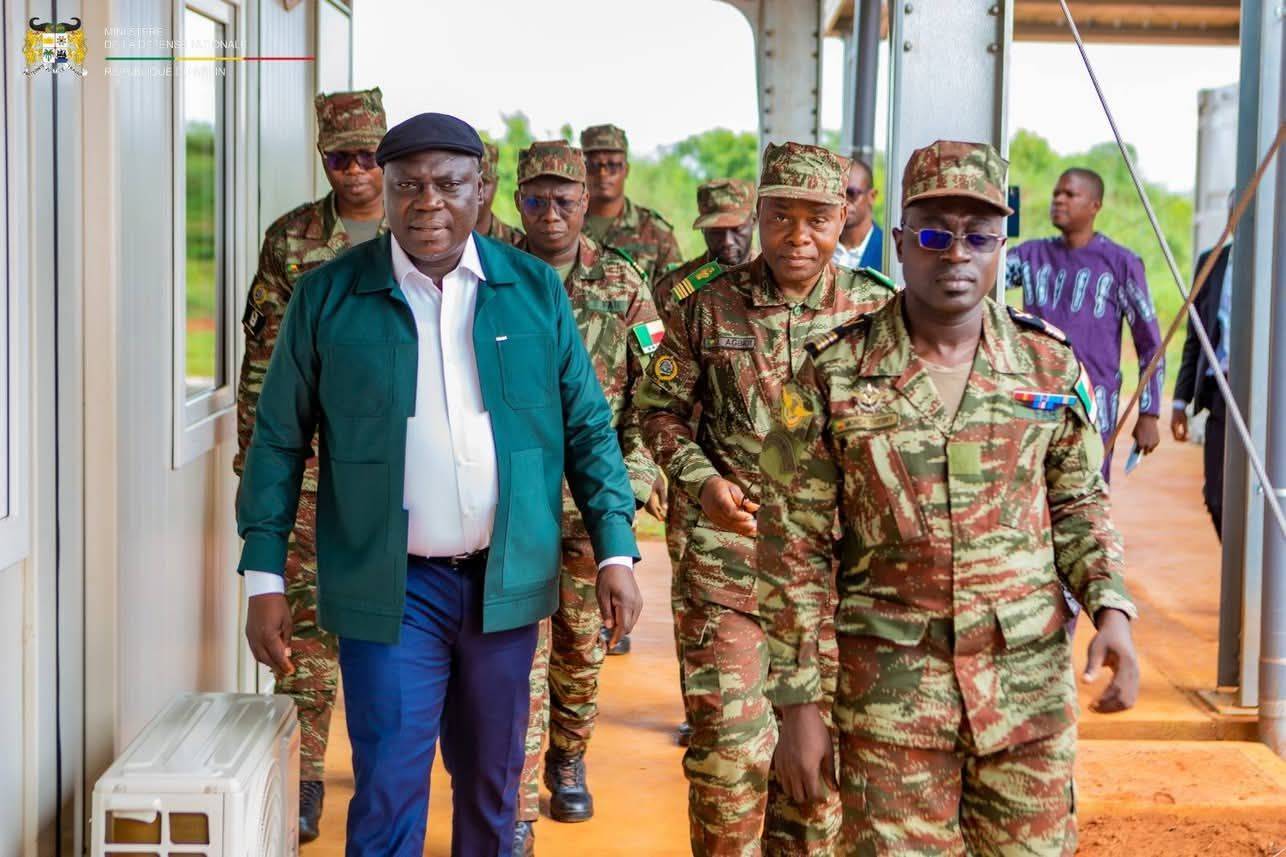
The recent stopover by the minister delegate in charge of national defence at the Cana military aeronautics school has set off a fresh wave of discussion about where Benin’s air force is headed. Gildas Habib Bignon Agonkan spent Friday 9 October 2026 at the facility, and the fallout from that day is still being felt across defence circles and among the wider public. The visit was not merely ceremonial. It placed the school’s strengths and its shortcomings squarely in the spotlight, and it has prompted questions about how quickly the country can turn its aerial aspirations into reality.
What the minister saw during his time on the base
Set within the Cana air base, the school plays a central role in building the aeronautical skills of Benin’s armed forces. Its programmes cover piloting, aircraft maintenance, air traffic control and technical support. Classrooms, flight simulators, workshops and innovation spaces are all geared towards preparing military personnel for the growing demands of the air force. The establishment is also involved in training the 100 drone pilots recruited by the general staff.
Upon arrival, the minister was received by Lieutenant-Colonel Olayéni Thierry Monda, commander of the Cana air base. He then attended a series of briefings on the missions, equipment and challenges facing the military structures stationed there. These included the 1st Mixed Artillery Battalion, the National Officers School and the Peacekeeping Operations Training Centre.
The delegation went on to tour the school’s teaching and technical facilities, including classrooms, flight simulators and maintenance workshops. A reconnaissance drone demonstration, flown by trainee military personnel, was also staged. The visit concluded with an inspection of the aerodrome’s runway, which base officials say has aged to the point where it no longer meets current standards and operational needs.
Reactions from the ground and beyond
At the end of his immersion, Gildas Agonkan praised the work of the command and the commitment of instructors and trainees. He stressed the importance of training pilots and technicians on national soil as a way of strengthening Benin’s autonomy in military aeronautics. The minister restated the government’s willingness to support the school’s development, with the stated ambition of turning it into a sub-regional reference hub.
Those words have resonated beyond the base. For many observers, the visit has brought a long-simmering debate into the open: can Benin realistically reduce its dependence on foreign training and maintenance, and what will it take to get there? The answer, according to several voices in the sector, lies in sustained investment in infrastructure, equipment and teaching resources, particularly to keep pace with the growing demands of aeronautical training.
What comes next for the school and the air force
The immediate outlook hinges on several factors. The runway’s deteriorating condition stands out as a pressing concern, since it directly affects the school’s ability to conduct flight operations. Simulators and workshops, while functional, will need upgrades if the curriculum is to expand. And the drone training programme, already underway with the 100 recruits, is likely to grow as unmanned systems take on a larger role in modern warfare.
Beyond hardware, the human dimension remains central. Instructors and trainees are the engine of the school, and their retention and development will shape whether the institution can genuinely anchor national aerial sovereignty. The government’s stated ambition of making the Cana school a regional pole of excellence is a long-term project, but the visit has given it a renewed sense of urgency.
The wider stakes for Benin’s defence modernisation
Through this visit, the authorities are highlighting the role of specialised training in the modernisation of Benin’s armed forces. The development of the Cana military aeronautics school is emerging as a key element of the country’s aerial sovereignty agenda. The debate now is less about whether the school matters, and more about how quickly and how effectively it can be transformed into the institution the country needs.