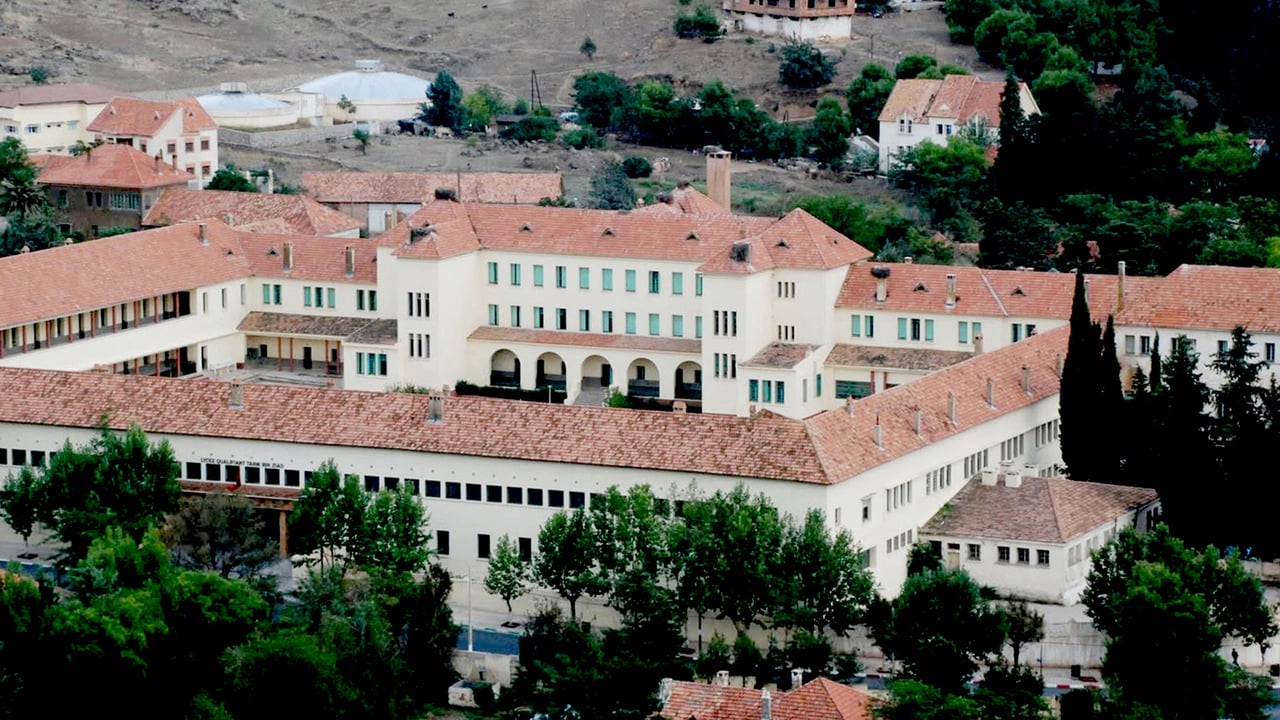
Nestled in the heart of Morocco’s Middle Atlas, the Collège Berbère d’Azrou emerged as a pivotal institution in the nation’s educational and political landscape during the early 20th century. Far more than a mere school, it became the cornerstone of a deliberate strategy to cultivate a francophone Berber elite—one that would serve the French Protectorate’s administrative and military needs while remaining distant from the burgeoning nationalist movements in cities like Fès and Rabat.

From colonial design to national legacy: the Azrou college paradox
Conceived under French colonial rule as part of a broader ‘Berber policy’, the Collège Berbère d’Azrou was intended to produce a compliant, French-speaking Berber elite. Yet history took an unexpected turn. The institution evolved into a breeding ground for future Moroccan leaders—including independence activists, ministers, governors, judges, and even thirteen generals. Some served under King Mohammed V and Hassan II, while others became entangled in the turbulent coup attempts of 1971 and 1972. Drawing from historian Mohamed Benhlal’s research and firsthand accounts of alumni, this piece explores how Azrou’s classrooms became an unlikely forge for Morocco’s modern elite—and how the original colonial vision ultimately failed.
Colonial ambitions and the birth of a Berber institution
Established in 1927 during the French Protectorate, the Collège Berbère d’Azrou was designed to distance Berber youth from the nationalist fervor sweeping urban centers like Fès and Rabat. The French administration sought to create a loyal cadre of administrators and military officers, fluent in French but rooted in Amazigh culture. By isolating students in the mountainous town of Azrou, colonial authorities believed they could curb the spread of nationalist sentiments while maintaining control over Morocco’s diverse regions.
The curriculum emphasized French language and Western-style education, while marginalizing traditional Islamic teachings. Yet, ironically, the institution’s remote location and structured environment fostered a sense of unity among its students, many of whom hailed from rural Berber communities. This shared experience laid the groundwork for a network of future leaders who would later challenge colonial rule.
A paradoxical legacy: from colonial tool to nationalist cradle
By the time Morocco gained independence in 1956, the Collège Berbère d’Azrou had already begun to outgrow its original purpose. Alumni, including prominent figures like former Prime Minister Abderrahmane Youssoufi and military leader Mohamed Oufkir, played pivotal roles in shaping the new nation. The college’s graduates distinguished themselves not only in politics but also in law, education, and the military, defying the colonial administration’s expectations.
The 1971 and 1972 coup attempts, in which several alumni were implicated, marked a dramatic chapter in the institution’s history. These events underscored the complex legacy of Azrou’s alumni—individuals who had benefited from the French education system yet remained deeply connected to Morocco’s independence struggle. Their involvement in these failed coups highlighted the tensions between loyalty to the monarchy and the ideals of revolutionary change.
Echoes of the past: Azrou’s enduring influence
Today, the former Collège Berbère d’Azrou operates as the Lycée Tarik Ibn Ziad, a testament to its transformation from a colonial experiment to a symbol of Morocco’s educational resilience. While the institution no longer serves as a training ground for an elite, its history remains a compelling study of how education can both reinforce and subvert political agendas.
The story of Azrou’s college is more than a footnote in Morocco’s colonial past—it is a reflection of the nation’s ability to reclaim and redefine its institutions. From the drawing boards of French administrators to the halls of power in Rabat, the legacy of Azrou’s alumni continues to shape Morocco’s trajectory, proving that even the most calculated political designs can yield unforeseen consequences.