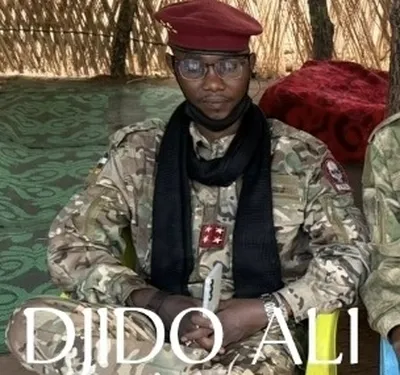
The Central African Republic has witnessed a dramatic shift in military command as Didot Ali, former Chief of Staff of the MPC, has assumed leadership following intense pressure from Russian mercenaries. This development marks a pivotal moment in the country’s ongoing security landscape and the evolving role of external actors in domestic military affairs.
The transition comes after months of escalating tensions between rival factions within the MPC, where Ahmat Chaltout, previously installed as the new Chief of Staff, found himself unable to maintain control amid growing influence from foreign mercenary groups operating in the region.
Analysts suggest this power shift reflects broader geopolitical dynamics at play in the Central African Republic, where international actors are increasingly shaping the trajectory of local security structures. The move underscores the complex interplay between domestic military institutions and external security providers, a trend that has become more pronounced in recent years.
Didot Ali’s return to a leadership role, albeit under vastly different circumstances, signals a potential recalibration of the MPC’s strategic direction. His experience and prior tenure position him as a figure capable of navigating the delicate balance between local military objectives and the expectations of foreign stakeholders.
The situation has drawn attention to the broader implications for the Central African Republic’s sovereignty, as the increasing presence and influence of mercenary forces continue to redefine the parameters of national security and governance.