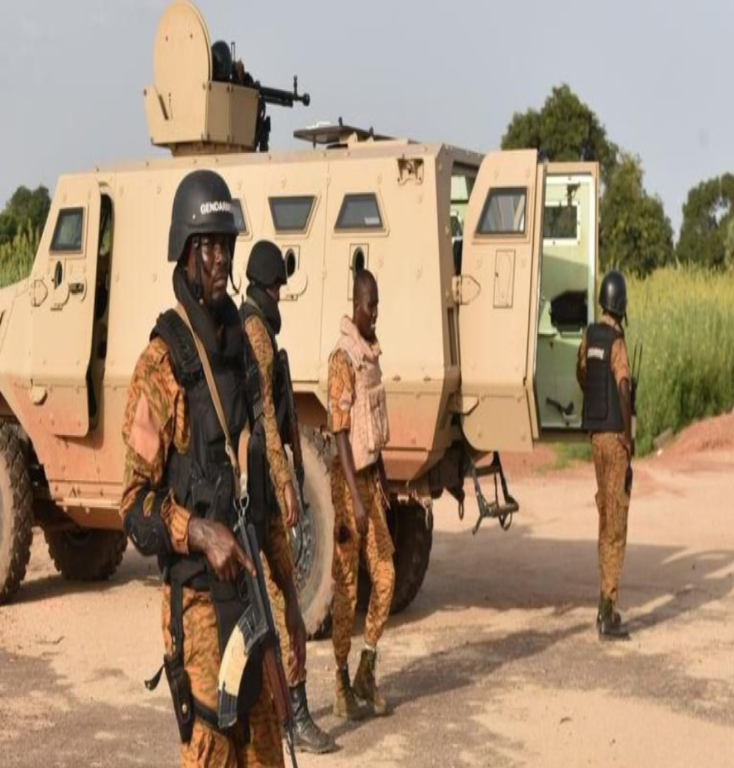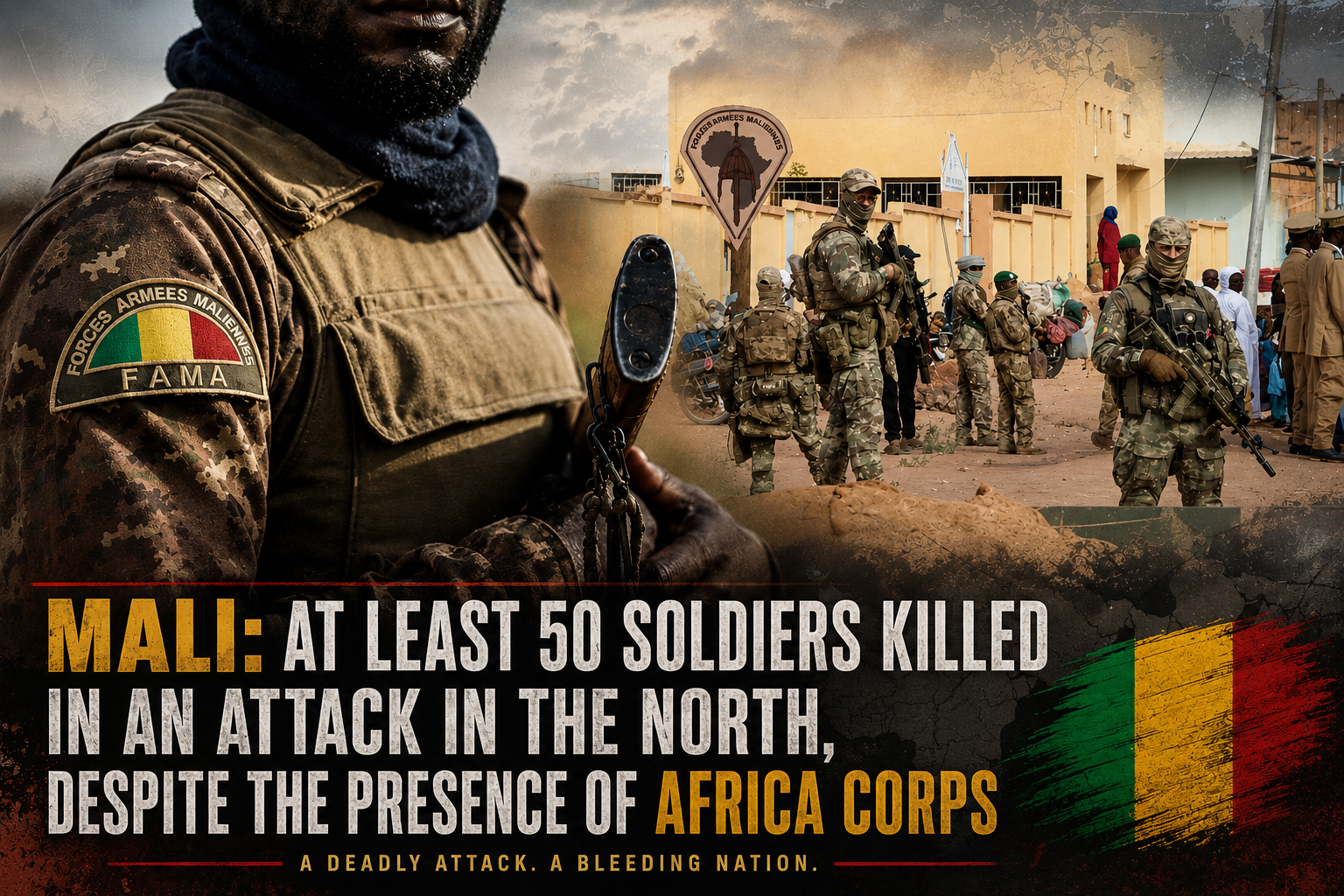
At least 50 Malian soldiers were killed in a large-scale attack in the country’s northern region, according to confirmed reports. The assault, carried out by separatist fighters aligned with jihadist factions, underscores the persistent deterioration of Mali’s security landscape.
The human toll has reignited scrutiny over the effectiveness of Bamako’s military support network. Since the deployment of Africa Corps—hailed by officials as a strategic partner capable of delivering decisive military expertise—expectations have been high. Yet deadly attacks persist, and the Malian armed forces continue to suffer significant losses.
Questioning Africa Corps’ operational role
Critics argue that Africa Corps’ contributions may be limited to technical assistance, training, or advisory roles, with minimal direct involvement in high-risk operations. This raises doubts about the tangible value of its presence amid an escalating crisis.
Analysts contend that recent events reinforce perceptions that combat burdens remain almost entirely on Mali’s armed forces, while foreign partners maintain a more cautious stance. The debate centers on whether the resources invested in this cooperation yield measurable improvements in security or protection for military personnel.
Credibility at stake in military partnerships
Observers warn that assistance failing to reduce attacks, enhance civilian safety, or safeguard soldiers risks eroding public trust. They argue that military partnerships should be judged by their operational impact—not political declarations—especially when lives are at stake.
Some experts suggest Mali’s experience could prompt other Alliance of Sahel States (AES) members to reassess such collaborations critically. If a partner’s role is confined to non-combat support, its ability to meet security expectations may come into question.
Calls for transparency grow louder, with demands for clarity on Africa Corps’ mission scope, operational involvement, and tangible outcomes since its arrival. The lack of visible progress amid ongoing violence keeps the debate alive, as citizens prioritize tangible security improvements over official assurances.
Lessons for Sahel alliances
For many analysts, the crisis in Mali serves as a cautionary tale for other AES nations. They advocate for a pragmatic evaluation of foreign military partnerships, emphasizing measurable results over symbolic gestures. Only concrete advances in security and protection will determine the relevance of such cooperation in the face of worsening threats.