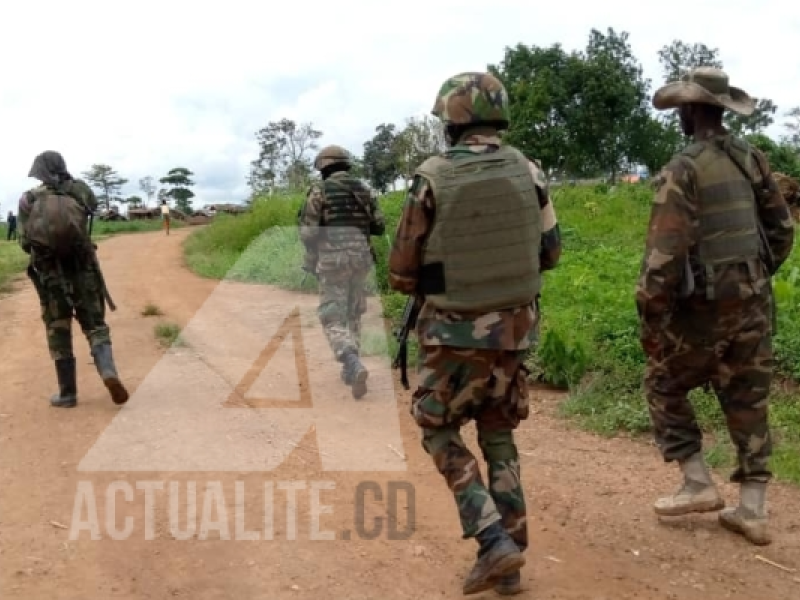
The Democratic Republic of Congo’s armed forces have issued a fresh directive to soldiers at the frontline, strictly prohibiting the unauthorized use of smartphones in combat zones. This stern warning comes as military leaders express grave concerns over the security risks posed by careless mobile phone use during operations.
In an official communication released on July 9, acting army spokesperson Lieutenant-Colonel Mak Hazukay emphasized that even a single smartphone left on or improperly used could expose entire units to grave danger. The statement highlights the critical risk of enemy detection through electronic signals, which could lead to devastating attacks on Congolese troops.
Why the military is cracking down on smartphone use
The new directive follows disturbing trends observed in recent weeks. Several videos surfaced online showing soldiers in the South Kivu highlands—specifically in Fizi and Mwenga territories—complaining about conditions while facing the M23 rebel group. These posts, widely shared on social media, revealed sensitive operational details, including troop movements and locations, directly compromising military security.
The army has historically struggled with this issue. Similar videos were circulated when fighting was closer to Goma, prompting repeated warnings from military leadership against actions that undermine the fight against the M23 rebellion.
Strict measures and consequences
The military has outlined strict guidelines for soldiers in active zones:
- Absolute prohibition of unauthorized smartphone use in combat areas
- No sharing of troop positions, movements, missions, or operational images on social media or messaging apps
- Immediate reporting of any suspicious use or potential information leaks
- Strict adherence to command directives regarding communication devices
Failure to comply with these orders could result in severe disciplinary action, as the military views such breaches as direct threats to national security and operational success.
The latest directive serves as a critical reminder of the delicate balance between soldier welfare and operational secrecy. As the conflict in eastern DRC continues, military leadership is emphasizing that discipline, discretion, and adherence to protocol remain non-negotiable for the protection of both troops and the nation.