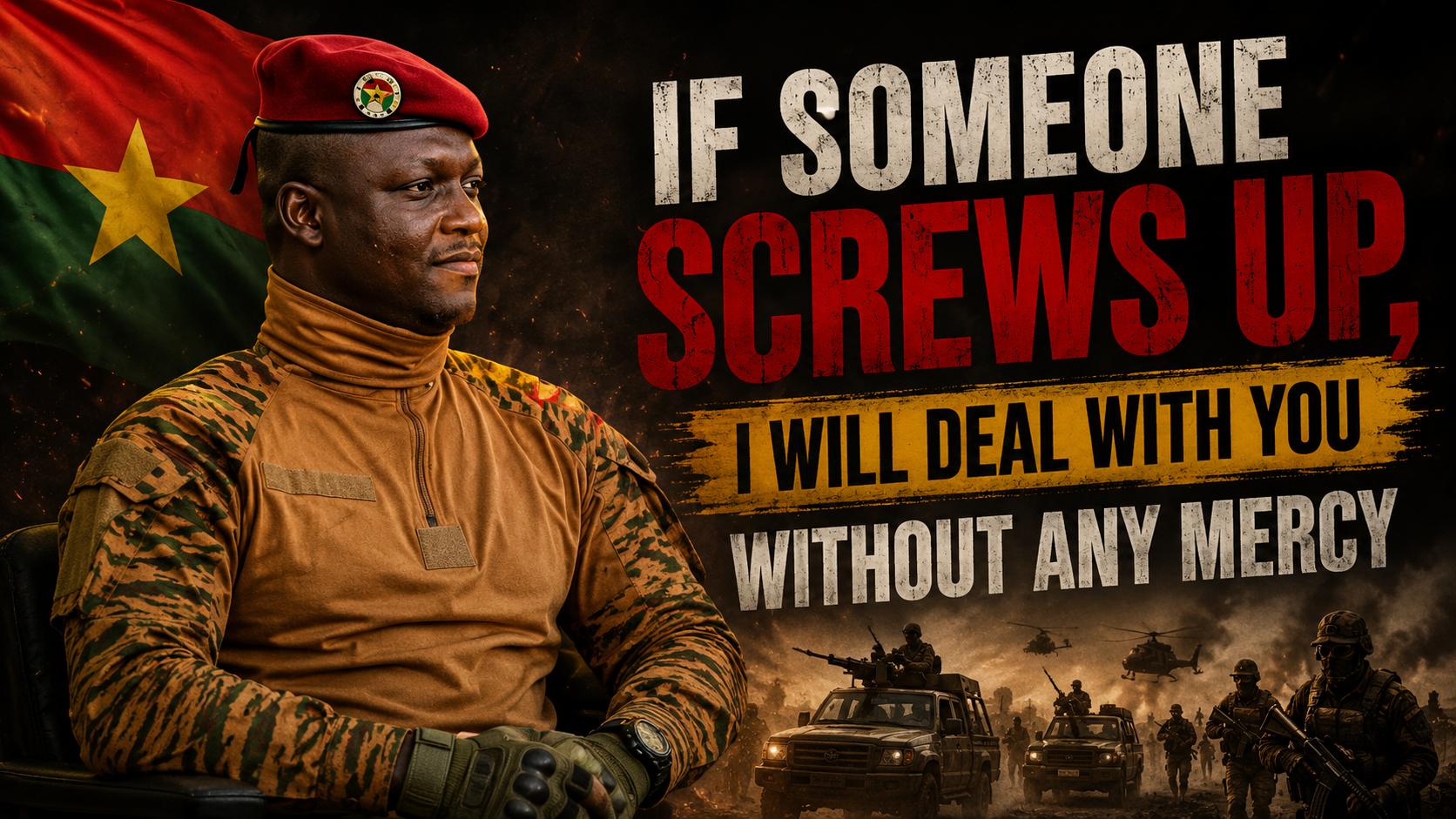
The stern declarations made by Captain Ibrahim Traoré mask a simmering, yet undeniable, power struggle unfolding within Burkina Faso’s military and transitional government. His uncompromising stance—”If anyone messes up, I’ll crush them without hesitation”—reveals a landscape riddled with whispers of dissent and internal fractures. Frequent rumors of destabilization plots and high-command disputes underscore a fragile undercurrent threatening the stability of the military-led regime.
Military factions: a divided front
Since the September 2022 coup, the cohesion of Burkina Faso’s armed forces has been tested like never before. Internal disagreements revolve around territorial security operations and the allocation of leadership roles within the chain of command. Persistent battlefield setbacks against armed groups have amplified pressure on military leadership, breeding frustration and factional infighting.
These tensions manifest as deepening distrust between key military units and among senior officers, with some openly questioning strategic decisions or the political direction of the transition. The once-unified military structure now resembles a patchwork of competing agendas, each vying for influence and control.
Security paranoia fuels internal purges
In response to the growing dissent, presidential intelligence services have ramped up surveillance and monitoring of officers perceived as disloyal or hesitant. Recent months have seen a wave of arrests and forced retirements targeting both mid-ranking and high-ranking military personnel, signaling a preemptive crackdown on any potential rebellion before it gains traction.
This climate of suspicion forces military leaders to display exaggerated loyalty, even as clandestine debates about the transition’s future continue to spark unrest in barracks across the country. The fear of being labeled a traitor looms large, stifling open dialogue and fostering a culture of self-censorship among officers.
The high stakes of unity
For Captain Ibrahim Traoré, suppressing these internal divisions isn’t just a matter of prestige—it’s a necessity for national stability. In a climate where even minor cracks in the regime’s facade could invite external interference or embolden opposition, the junta’s leadership is doubling down on unity, using harsh rhetoric to deter dissent. His blunt warnings are not merely bluster; they reflect a calculated strategy to maintain control in an increasingly volatile environment.