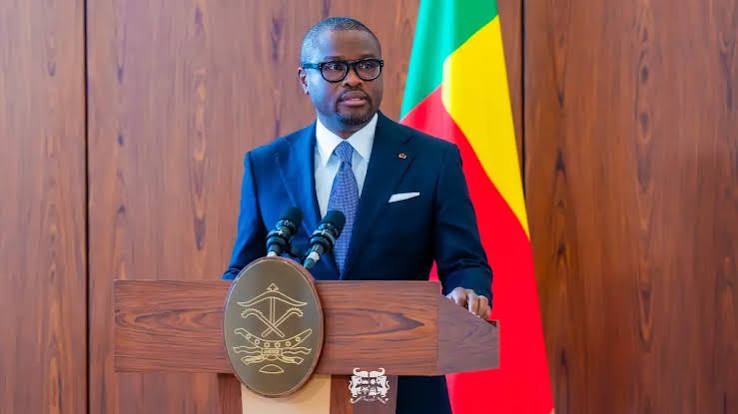
The 10th legislature of the Bénin National Assembly convened a pivotal plenary session today at the Palais des Gouverneurs in Porto-Novo, marking another critical chapter in the country’s legislative agenda.
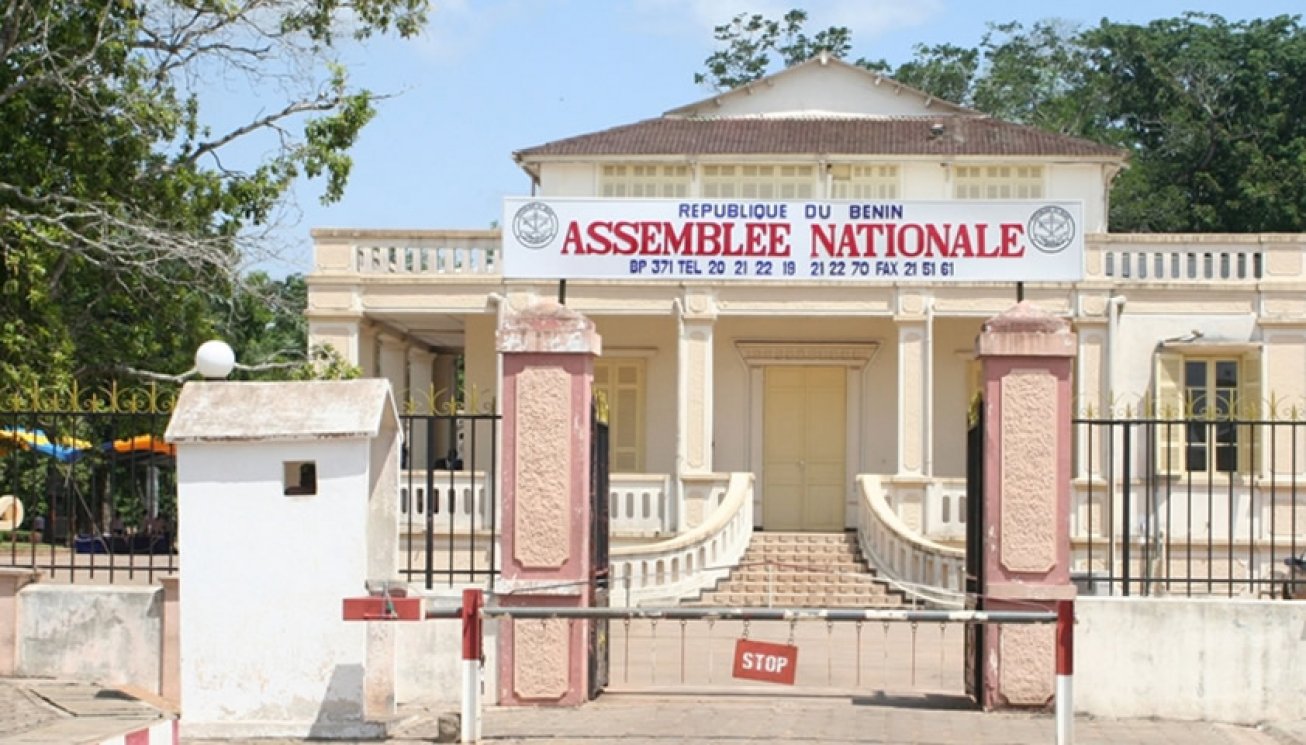
This high-stakes meeting saw lawmakers deliberate on a series of high-profile draft laws, including sweeping institutional reforms, public project financing mechanisms, and critical electoral framework adjustments. The agenda reflected the government’s commitment to reinforcing democratic governance and accelerating national development initiatives.
Major legislative texts under review
The agenda featured several transformative proposals, beginning with revisions to the National Orders Act. Legislators examined amendments to Article 94 of the July 26, 2024 law governing the establishment of national orders in Bénin, signaling potential changes to recognition systems for public service contributions.
Following this, the Assembly turned its attention to a bill proposing modifications to the organic law governing the Economic and Social Council. Notably, this institution had already undergone revisions in March 2026, yet further adjustments were deemed necessary to align with evolving governance needs.
Economic and cultural commitments
A key highlight was the consideration of a decree ratifying a credit convention signed with the French Development Agency (AFD) on June 24, 2025. The agreement allocates funds toward the development of Cotonou’s Contemporary Art Museum, a project poised to enhance cultural infrastructure and tourism potential in the economic hub.
Electoral reform takes center stage
The most contentious discussion centered on the Electoral Code, with deputies reviewing a proposal to repeal Title II of Book I, last amended in 2024. This section governs the operational framework of the Independent National Electoral Commission (CENI), raising questions about potential structural impacts on election administration.
The proposed repeal has sparked intense debate, with stakeholders questioning how the changes might influence electoral integrity and logistical preparedness for future polls. Analysts anticipate that the modifications could reshape the commission’s composition, mandate, or procedural guidelines, though official outcomes remain pending.