In any functioning democracy, matters of national defense are inherently shielded from full public scrutiny. Military operations, intelligence activities, and strategic partnerships often require a degree of confidentiality. Yet when secrecy becomes the default rather than the exception, especially on matters of national significance, it breeds distrust rather than reassurance.
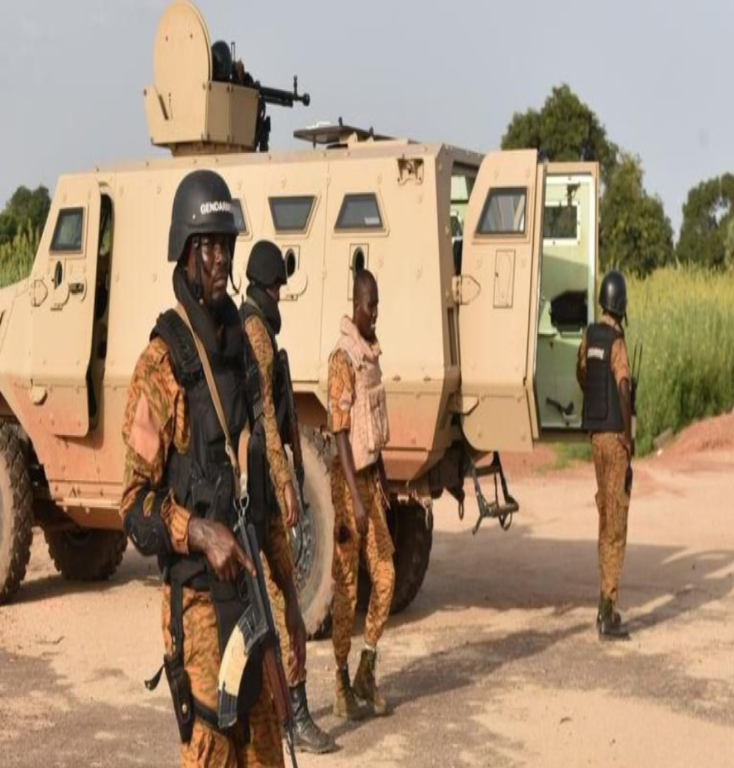
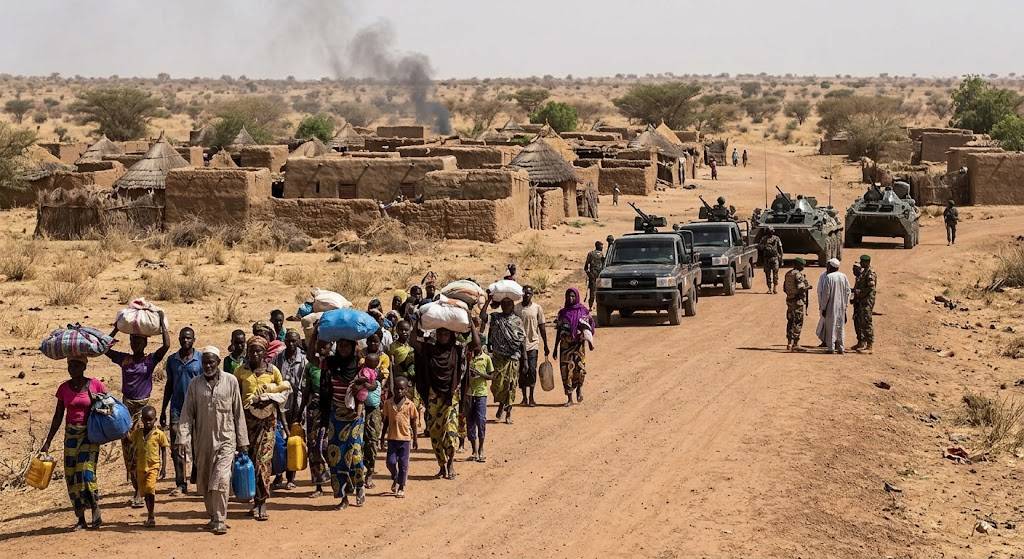
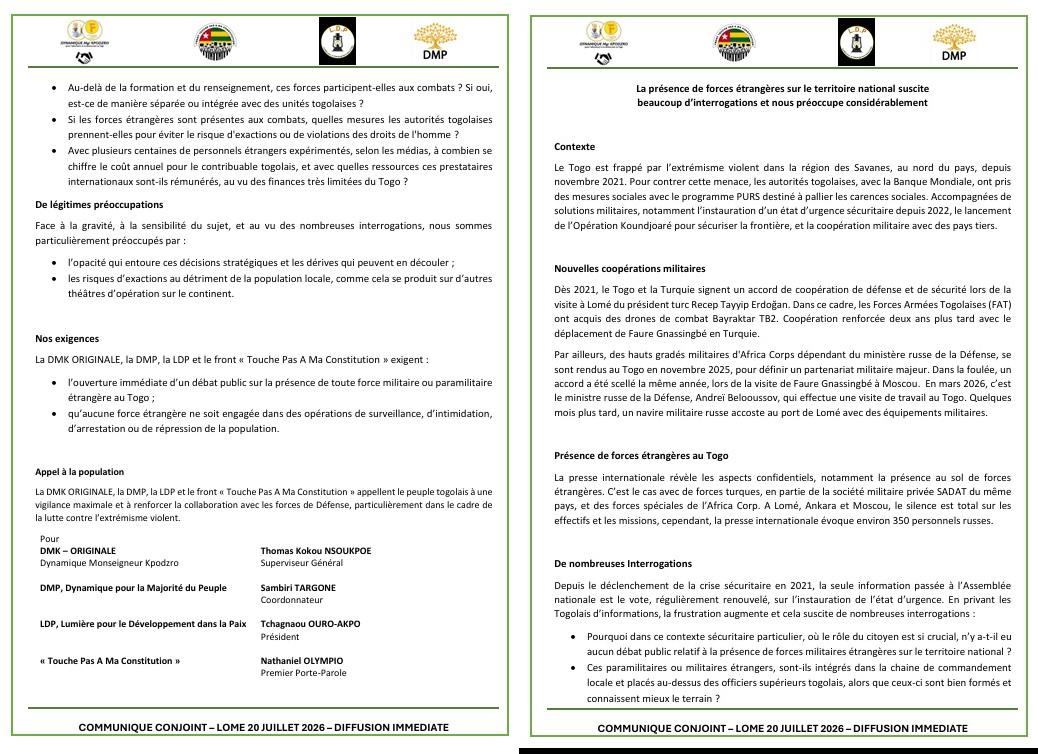
In Togo, reports—drawn from multiple credible sources—indicate the presence of foreign military personnel within the country’s borders. Among these, individuals from Russia and Turkey have been identified, though their exact roles and numbers remain undisclosed. Should these claims hold true, they introduce a host of pressing concerns that demand clear explanations from the government.
Is this cooperation about security—or self-preservation?
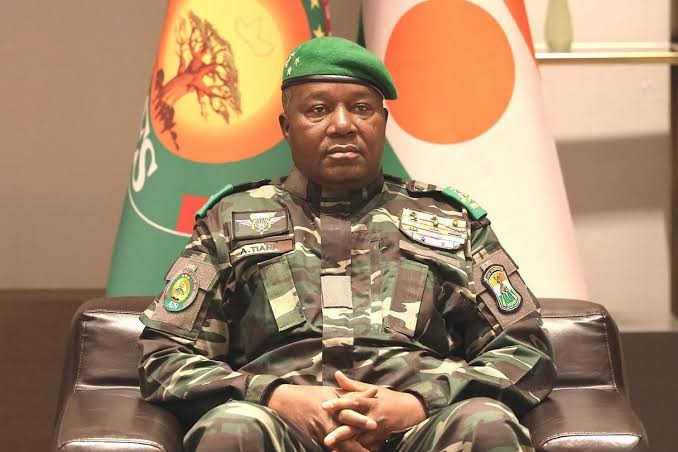
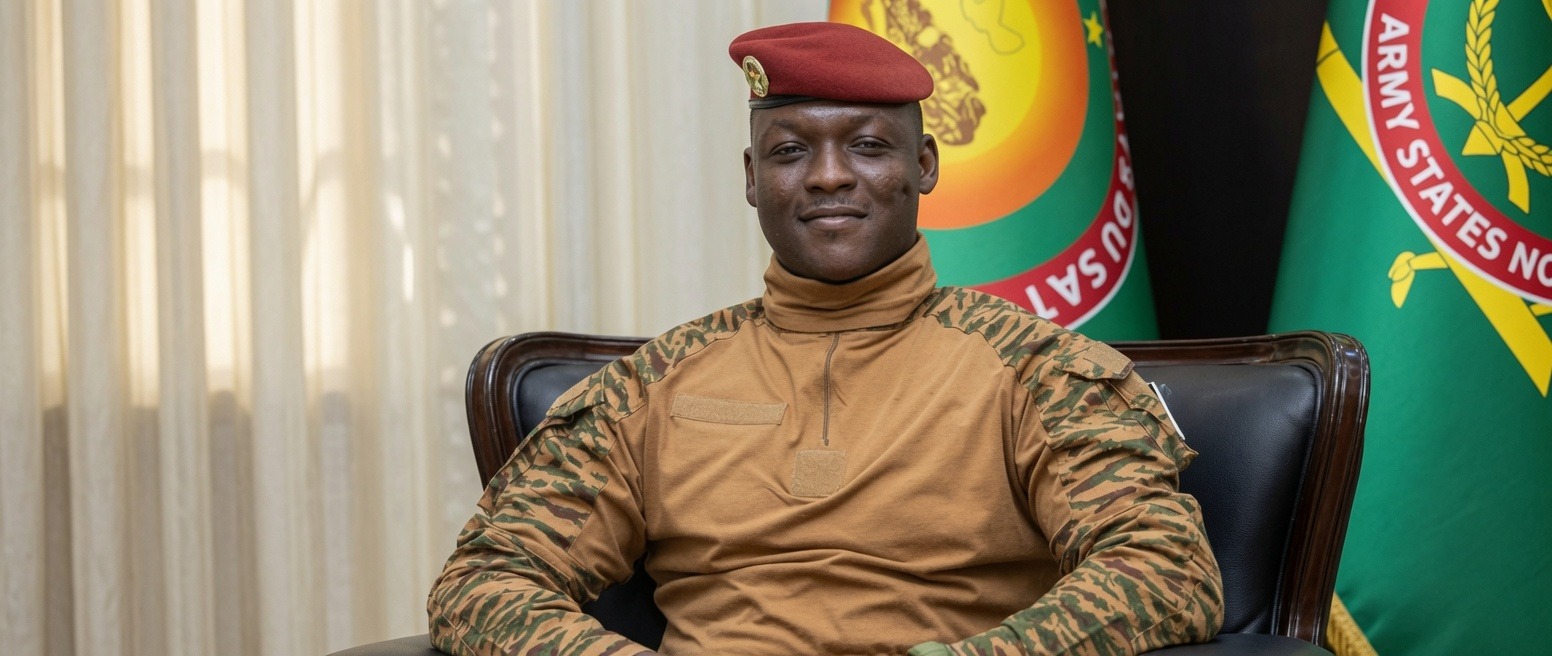
Beyond the conventional justifications for military collaboration, the opacity surrounding these foreign forces fuels deeper suspicions. Critics argue that the Togolese government’s engagement with external military partners may reveal a sense of vulnerability within the administration of President Faure Gnassingbé. With mounting criticism over governance failures, including economic hardship and institutional restrictions, fears of both popular uprisings and internal coups have intensified. In this context, the arrival of foreign troops is interpreted not as a shield against external threats, but as a strategic lifeline for a regime determined to cling to power at any cost.
Unclear mandates and unresolved legal ambiguities
The most glaring question remains unanswered: what exactly are these foreign personnel doing in Togo? Are they tasked with training local forces, gathering intelligence, providing strategic advisory, or maintaining military equipment? Alternatively, are they involved in protecting high-level state officials? Without official clarification, speculation fills the void, often taking on a life of its own.
Another critical issue concerns their operational scope. Are these foreign soldiers merely instructors, or do they participate in domestic security operations? Are they deployed alongside Togolese troops in active missions, or is their role confined to technical support? The distinction is crucial, as it would define the nature of the agreements in place and their potential impact on national sovereignty.
Equally important is the question of accountability. When foreign military personnel operate within a country, clear legal frameworks must exist to define their rights, duties, and oversight mechanisms. Has Togo established such a framework? Are there safeguards to prevent abuse or ensure compliance with national laws and international obligations? The absence of such details only deepens public unease.
The financial cost of secrecy
The lack of transparency extends to financial considerations. How many foreign military personnel are actually stationed in Togo? What is the duration of their deployment? Who bears the financial burden—is it the Togolese state, the partner countries, or a mix of funding arrangements? Citizens, whose taxes fund public policies, deserve clarity on these expenditures and how they align with national priorities.
It is important to note that military cooperation with foreign partners is not inherently problematic. Many nations rely on international alliances to bolster defense capabilities, especially in the face of shared threats. Togo, like its neighbors, faces a volatile regional security landscape, including the persistent terrorist threat in the north, which could justify such partnerships.
Transparency as a pillar of trust
Yet trust is built on transparency. When governments openly communicate the objectives, legal frameworks, and operational details of military collaborations, they curb misinformation and speculation. In a region plagued by political instability and shifting security alliances, the most effective response to public concerns is not silence—but clarity.
The government can—and should—provide enough information to illuminate the purpose, safeguards, and responsibilities tied to foreign military presence, without compromising national security imperatives. Transparency is not a luxury in governance; it is a cornerstone of legitimacy. When foreign military involvement raises as many questions as it answers, and appears intertwined with efforts to entrench political power, it becomes the government’s responsibility to address these concerns forthrightly. In a democracy, silence is not a sustainable communication strategy—it inevitably gives way to doubt.