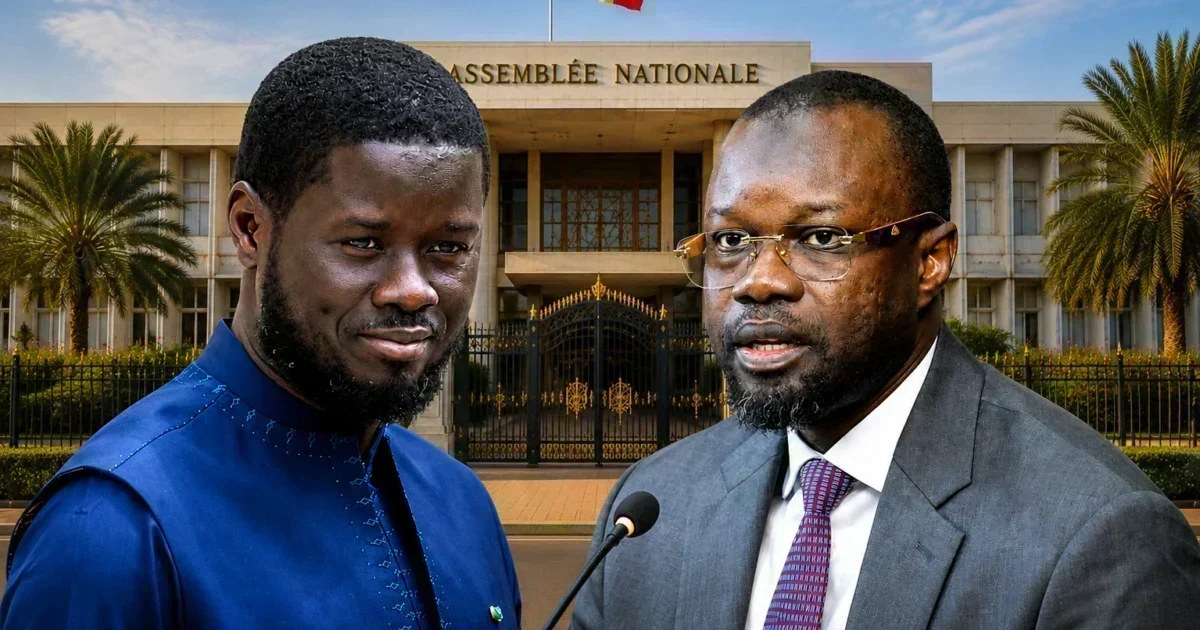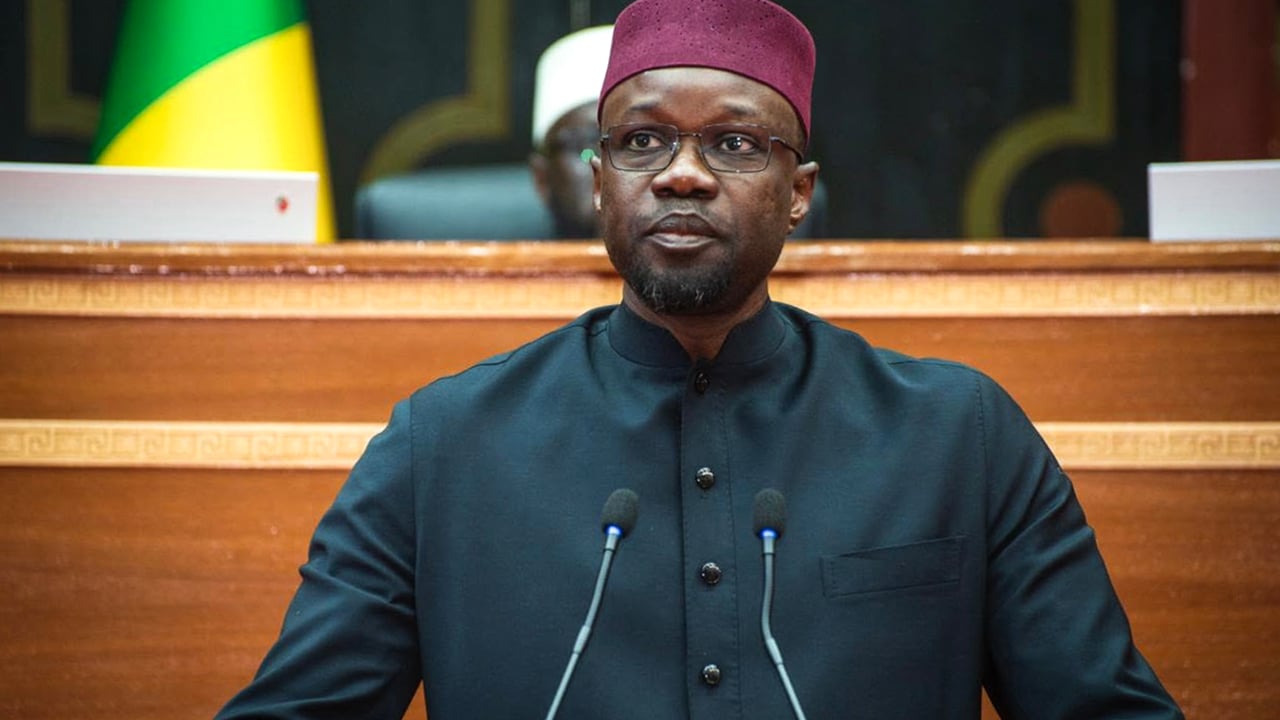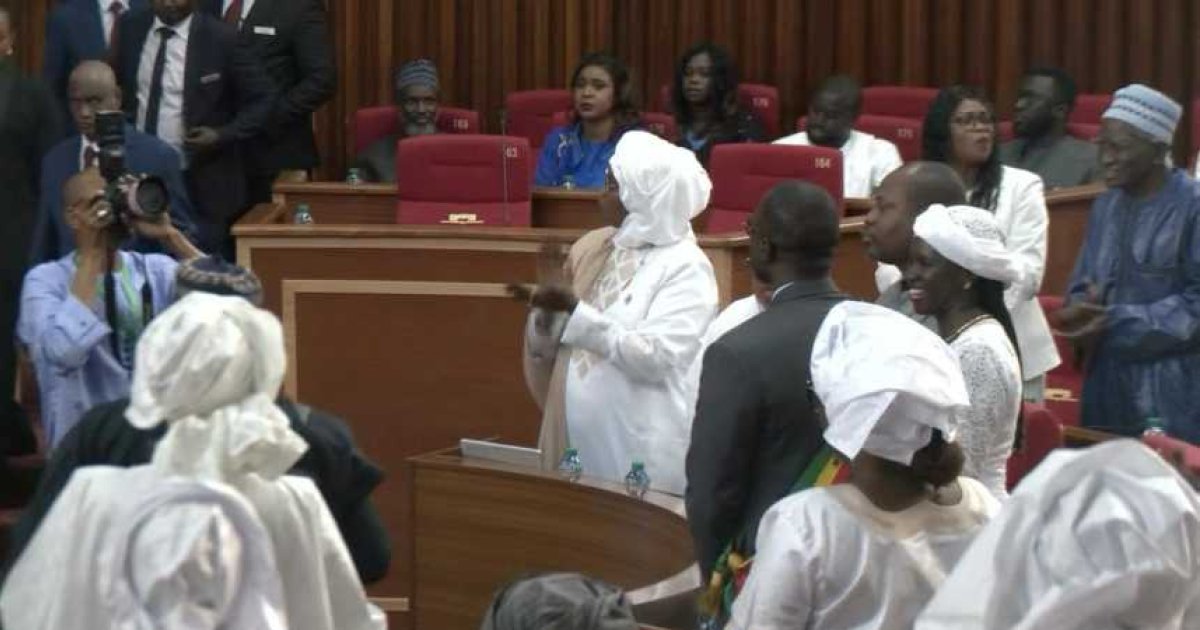
In a dramatic turn of events that has sent shockwaves through Senegal’s political landscape, former Prime Minister Ousmane Sonko has been elected President of the National Assembly. The vote took place just four days after he was abruptly dismissed from his previous position by the Head of State, sparking immediate controversy.
The opposition bloc, which had already been vocal about their concerns regarding the government’s actions, chose to boycott the session entirely. They condemned what they described as a constitutional coup, signaling deepening divisions within the country’s political sphere.
a controversial dismissal
The dismissal of Ousmane Sonko from the role of Prime Minister came without prior warning, leaving many political observers stunned. The move followed a series of escalating tensions between the executive and legislative branches of government, raising questions about the motivations behind the decision.
Sonko, a prominent figure in Senegalese politics, has long been associated with calls for systemic reforms and greater transparency. His removal has intensified debates about governance and the balance of power in the country, with supporters and critics alike closely monitoring the unfolding situation.
opposition voices strong opposition
The opposition’s decision to boycott the National Assembly session underscores the gravity of the political rift. Their statement labeled the proceedings as an attempt to undermine democratic institutions, further highlighting the strained relationship between the ruling party and the opposition.
This boycott not only delayed the election process but also set the stage for a contentious political atmosphere, with both sides digging in their heels over the legitimacy of the actions taken.
what’s next for Senegal?
With Ousmane Sonko at the helm of the National Assembly, the political dynamics in Senegal are poised for significant shifts. The coming weeks will be critical in determining whether this leadership change will lead to reconciliation or further polarization.
The international community is also watching closely, as stability in Senegal remains a key concern for regional and global partners. The outcome of this political drama could have far-reaching implications for West Africa’s broader security and political landscape.