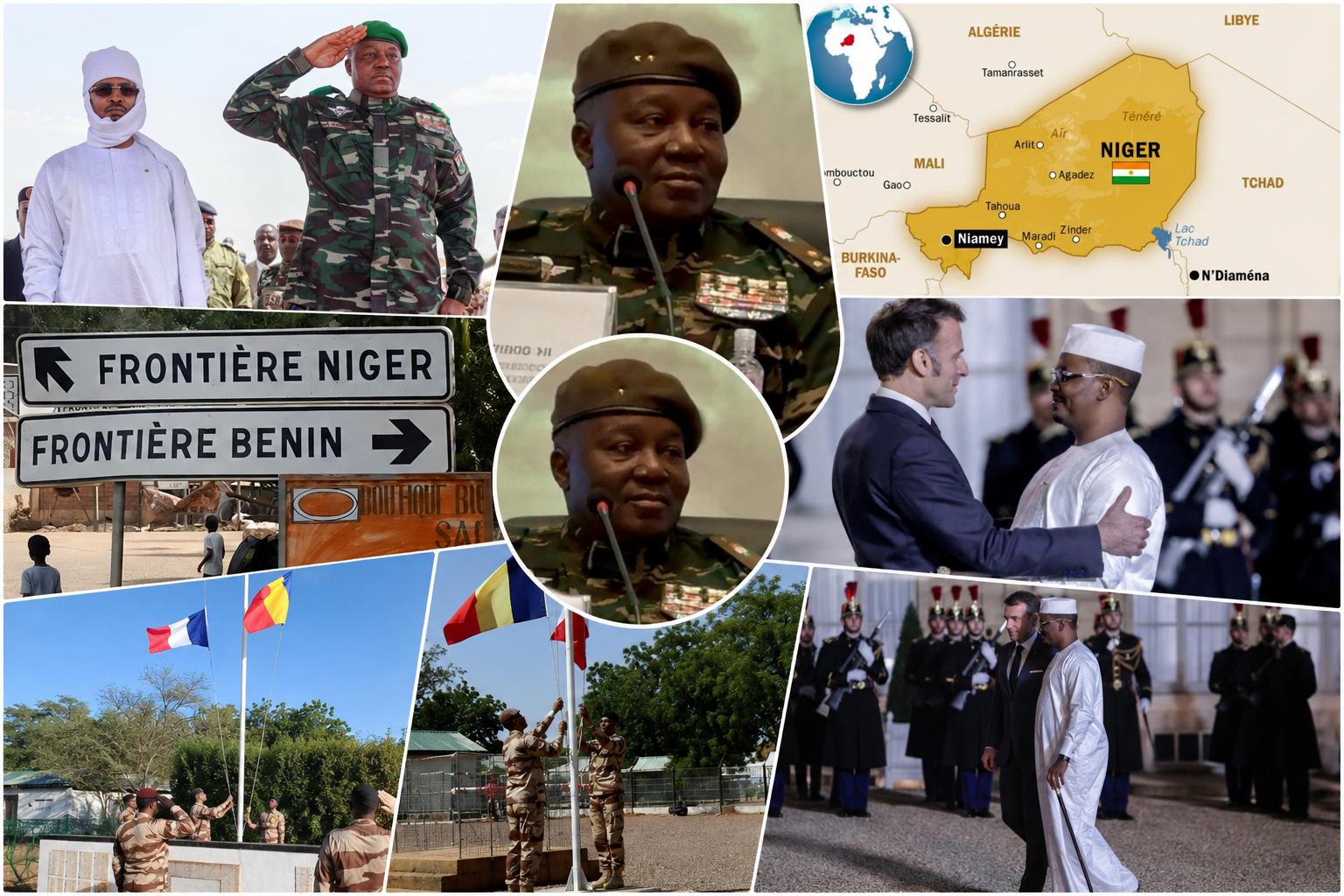
The border between Niger and Bénin remains firmly shut, nearly three years after Niamey’s decision to close it following a coup in July 2023. Despite diplomatic overtures and technical discussions aimed at restoring cross-border movement, Cotonou and Niamey have yet to bridge their differences.
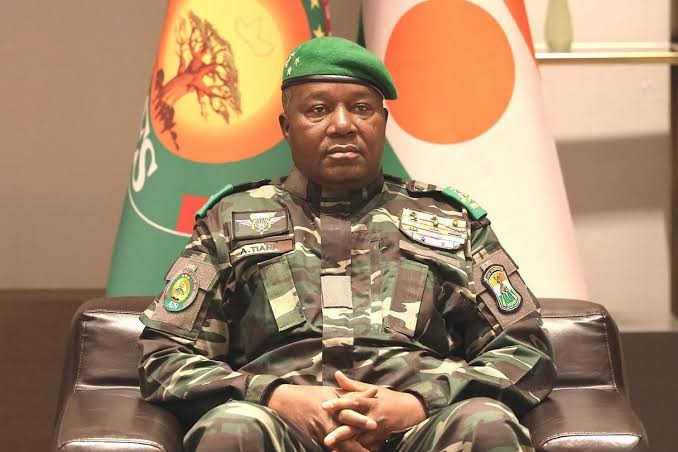
The primary obstacle lies in the conditions set by Niger. General Abdourahamane Tiani has repeatedly emphasized that reopening the border hinges on guarantees regarding security and the absence of perceived hostile forces near the frontier. This stance reflects Niamey’s long-standing concern that Bénin might serve as a staging ground for operations threatening its stability.
Bénin denies military ties with France, but cooperation exists
Cotonou has vehemently rejected allegations that France maintains military bases on its soil, particularly in the northern regions. Foreign Minister Olushegun Adjadi Bakari reiterated this position in January 2025, while France’s Chief of Defense Staff, General Fabien Mandon, confirmed in March 2026 that no such bases exist in Bénin. Despite this denial, reports indicate that French military personnel have been present in a supportive role, conducting training and advising Bénin’s forces in counterterrorism operations against armed groups in the north. While France frames this as temporary cooperation, Niamey views it as a potential security risk.
Chad’s warming ties with France test Niger’s stance
The situation has grown more complex with Chad’s renewed military cooperation with France. After severing ties in late 2024 in a show of sovereignty, N’Djamena has since allowed French forces to return under a more discreet and scaled-down arrangement. This shift responds to pressing security challenges, including spillover from Sudan’s conflict, the persistent Boko Haram threat in the Lake Chad basin, and the need for enhanced intelligence and logistical support.
For Niger, this development raises a critical question: if French military presence in Bénin is deemed a threat meriting border closure, why is the same not applied to Chad? The paradox is undeniable. Chad shares a lengthy border with Niger, and any foreign military activity there could, in theory, fall within Niamey’s strategic considerations.
Sovereignty vs. consistency in Sahel diplomacy
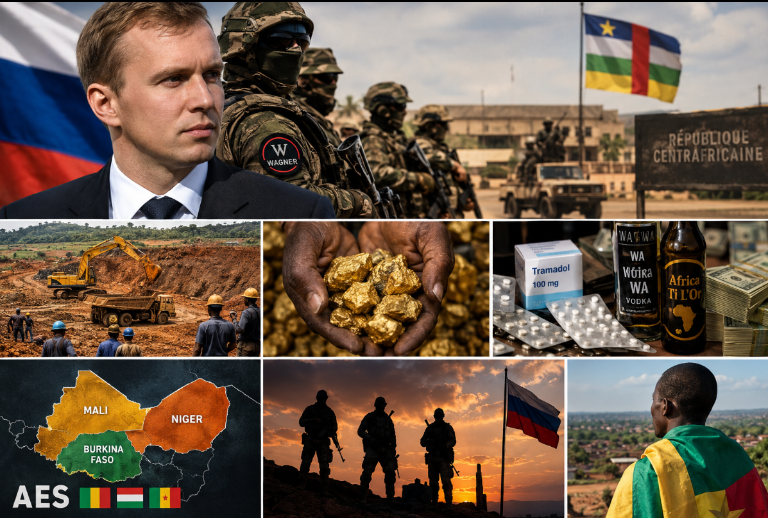
Niger’s stance aligns with a broader regional trend championed by Mali, Burkina Faso, and Niger themselves—prioritizing sovereignty and distancing from former colonial powers. The three nations have exited the Economic Community of West African States (ECOWAS) and forged stronger ties within the Alliance of Sahel States. Chad, however, has chosen a different path, embracing selective re-engagement with France while maintaining other partnerships.
This divergence tests the coherence of Niger’s argument. If sovereignty grants Chad the right to choose its allies, then Bénin should equally possess that autonomy. Conversely, if French military cooperation is deemed inherently threatening, Niamey’s reasoning would logically extend to Chad as well. The debate thus pivots from the specifics of France’s role to the principle of equitable application of security policies.
Economic and security costs fuel urgency for resolution
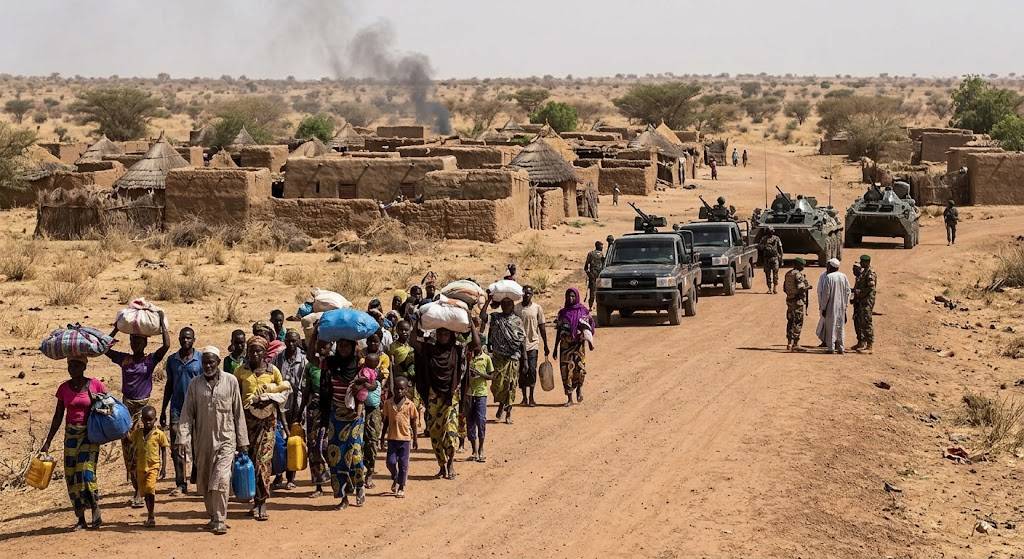
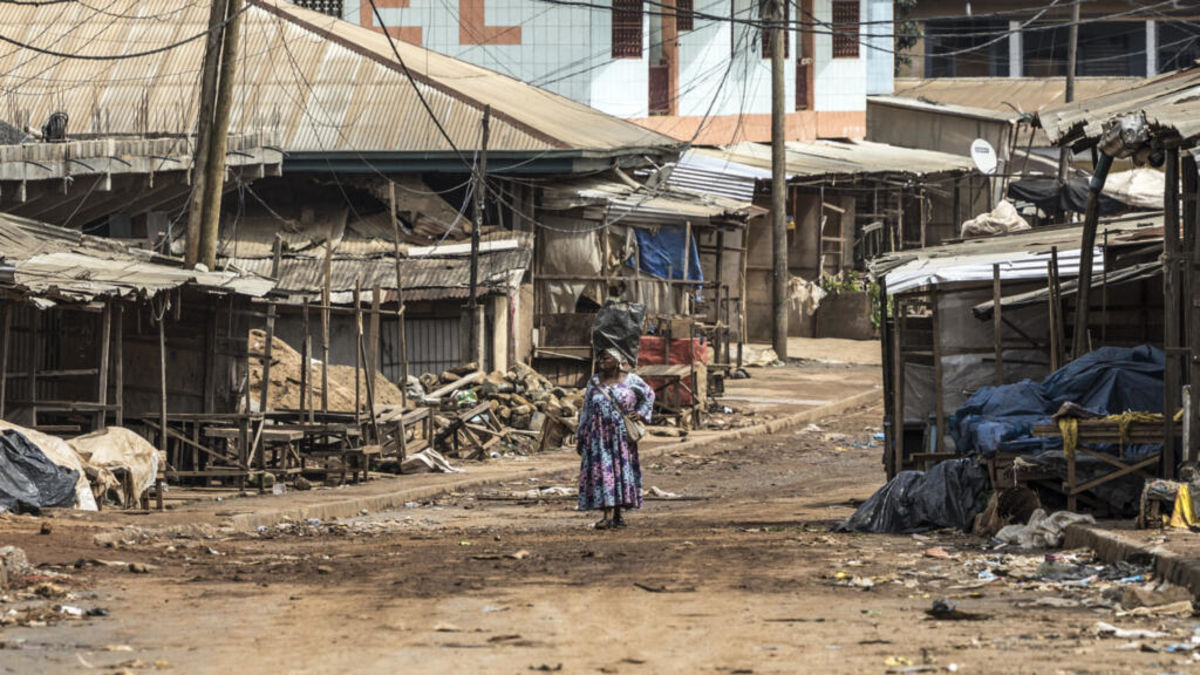
The prolonged border closure has exacted a heavy toll on both sides. Communities, traders, and transporters along the frontier have borne the brunt of disrupted trade and increased violence in the tri-border area involving Bénin, Niger, and Nigeria. The surge in cross-border incidents underscores the need for coordinated security efforts, making the case for reopening the border even more compelling.
For Niamey and Cotonou, the path forward demands moving beyond the France-centric debate. Concrete, verifiable security guarantees—rooted in transparency and mutual commitments—could provide a framework for cooperation. Yet, these guarantees must apply uniformly to all neighbors, including Chad, to avoid perceptions of selective enforcement.
The return of French military collaboration in Chad has thrust this issue into sharper focus. Niger now faces a pivotal choice: embrace a principle of sovereignty that applies universally, or maintain a policy where French military engagement in a neighboring state justifies punitive measures. The latter risks exposing inconsistencies that could undermine its diplomatic credibility in the region.
In this delicate balancing act, the Sahel’s diplomatic landscape could hinge on whether sovereignty is upheld as an inclusive principle—or wielded as a tool shaped by shifting geopolitical winds.