N’Djamena weddings blend Sudanese and Tchadian traditions
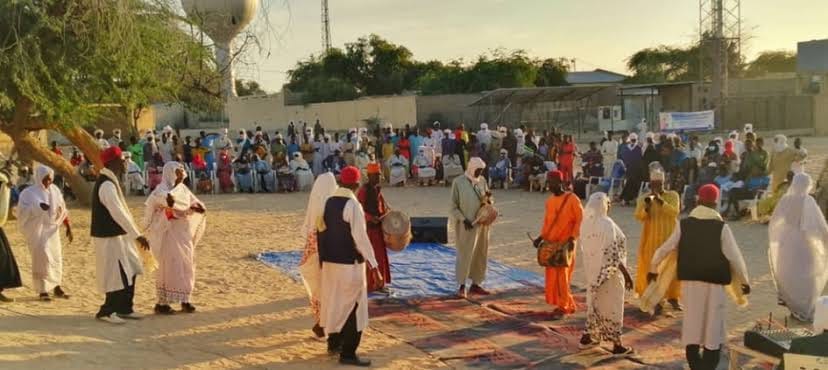
N’Djamena weddings blend Sudanese and Tchadian traditions
Chadian weddings in N’Djamena are experiencing a cultural shift as Sudanese customs increasingly influence local matrimonial ceremonies. This trend is raising concerns about the preservation of traditional Tchadian marriage practices and their unique cultural significance.
Sudanese influences reshaping N’Djamena’s wedding scene
Modern weddings in the Chadian capital now prominently feature Sudanese-inspired elements. Grooms receive henna on their hands and feet, mirroring their brides. Processions escort the bridegroom to the bride’s home, where he proudly carries her in front of guests before repeating the gesture upon arrival at his residence. Within days, another ceremony sees husbands presenting jewelry to their new wives in front of extended families. These practices, once rare in Tchadian culture, have become commonplace in N’Djamena’s wedding celebrations.
The contrast with traditional Tchadian marriage customs could hardly be more stark. Formerly, weddings emphasized ancestral wisdom, family respect, and quiet dignity. After the dowry was settled, couples maintained minimal contact until the wedding day. On the ceremony itself, the bride would leave her family home accompanied by her mother and grandmothers, who would impart essential guidance on patience, household management, forgiveness, and marital responsibility.
Cultural transformation raises preservation concerns
One distinctive Tchadian tradition involved a symbolic handover of the bride to neighbors a week after marriage. Families would ask neighbors to guide the new wife through gentle advice when she erred and encouragement when she acted correctly, fostering community bonds and shared responsibility. However, this practice has largely disappeared from modern celebrations.
The entertainment aspect has also undergone dramatic changes. Griots, traditional drums, and community songs that once narrated ancestral stories and taught moral lessons are being replaced by contemporary performances. Elders worry this shift diminishes cultural transmission to younger generations, who may lose touch with their heritage.
Increasingly, entire wedding ceremonies in N’Djamena’s neighborhoods now follow Sudanese-inspired templates: matching décor, coordinated attire, elaborate henna ceremonies, modern music, and dramatic presentations of the couples. Some guests now struggle to distinguish between Tchadian and Sudanese weddings at first glance.
Voices from the community on cultural evolution
« Before, a Tchadian wedding was a school of life. Elders spoke, youth listened, and everyone left with valuable lessons. Today, the focus has shifted to spectacle over substance, » reflects a community leader in Bololo.
Maman Azma, director of the Lamy Fortain association, expresses similar concerns: « Our daughters now recognize foreign wedding customs, yet many remain ignorant of the traditions their grandmothers practiced. If we don’t actively preserve them, these practices may vanish entirely. »
Not all perspectives are negative. One newlywed argues for cultural openness: « We embrace certain traditions because we find them beautiful. That doesn’t mean we reject our own culture. The important thing is preserving the core values of marriage. »
Balancing tradition and modernity
The question facing Chadian society today is how to maintain cultural identity while remaining open to external influences. Heritage experts emphasize that the solution isn’t rejecting foreign customs but ensuring Tchadian traditions continue to be passed down. Without deliberate effort, these unique practices risk disappearing as new generations grow accustomed to imported traditions.