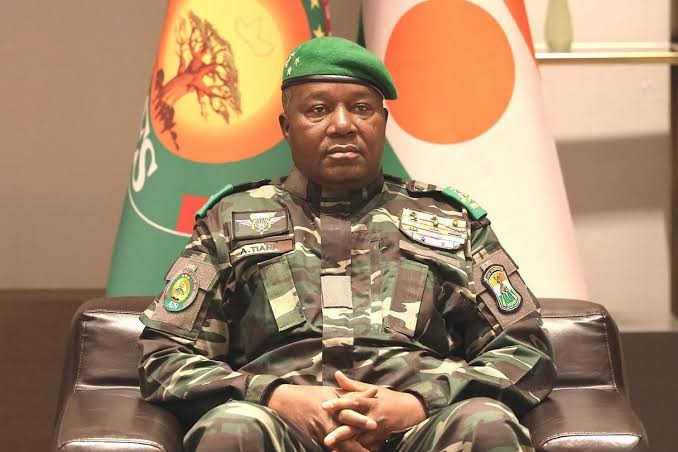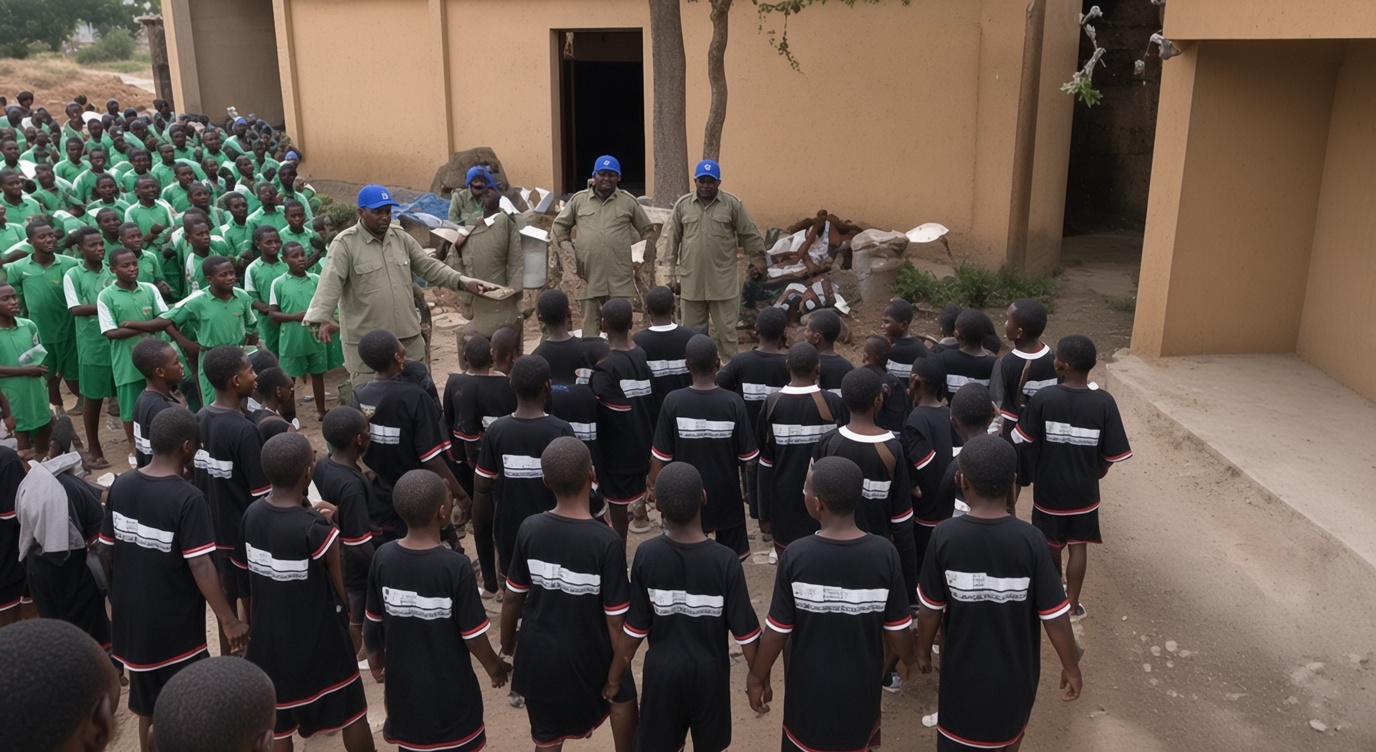
In a recently announced initiative, Niger’s transitional leadership under General Abdourahamane Tiani has inaugurated a training camp for over 300 young Nigeriens. Officially framed as a civic engagement program emphasizing national revitalization and societal renewal, the initiative mirrors the model implemented in Burkina Faso by Captain Ibrahim Traoré. However, beneath the carefully crafted rhetoric and celebration of an ‘engaged youth’ lies a far more troubling reality: under the guise of patriotism, the military regime appears to be laying the groundwork for early militarization.
Risks of premature exposure to militarized environments
At a developmental stage where education, vocational training, sports, cultural activities, and civic learning should take precedence, exposing children and adolescents to militarized or pre-militarized environments is deeply concerning. Shaping impressionable minds through rigid military discipline, unquestioning obedience, and constant mobilization could normalize the logic of conflict and violence from an early age.
The immediate concern is not solely the nature of the camp itself, but the broader political message being instilled in an entire generation. When a military-led government equates youth mobilization with a patriotic duty, it risks prioritizing blind loyalty to the regime over the development of critical thinking and civic responsibility. True civic engagement does not mean unquestioning submission to authority; it encompasses the ability to question, debate, and uphold the public good.
Blurred lines between civic duty and indoctrination
The line between civic education and indoctrination becomes dangerously thin when young participants are continuously exposed to rhetoric centered on combat, sacrifice, and the defense of the nation. While mobilizing youth can strengthen national cohesion, it must never evolve into a mechanism to sustain military power by treating young people as a human resource pool.
This approach also raises a fundamental question: why allocate significant resources to ideological mobilization when countless young Nigeriens urgently require functional schools, vocational training, employment opportunities, infrastructure development, and genuine pathways to a stable future? Patriotism, while commendable, cannot feed families, replace diplomas, or generate employment opportunities on its own.
Political distraction through youth mobilization
The narrative of ‘mandatory civic duty’ may serve as a convenient smokescreen, diverting attention from pressing socio-economic challenges. By showcasing images of disciplined, enthusiastic, and self-sacrificing youth, the regime could be deflecting scrutiny from economic hardships, systemic educational deficiencies, youth unemployment, and the social consequences of political instability.
The long-term implications of such an initiative must also be considered. A generation raised in a culture of perpetual mobilization may come to view militarization as a normal state of affairs. What is presented today as an exceptional measure could, in the future, become an institutionalized model for political and paramilitary youth indoctrination.
Lessons from regional comparisons
The adoption of similar youth mobilization strategies in Niger, following the example set in Burkina Faso, warrants careful examination. While addressing security concerns is critical, the response cannot involve gradually transforming an entire generation into potential combatants. The challenging security landscape in the Sahel demands solutions that do not compromise the future of its youth.
The young people of Niger deserve more than to be instrumentalized in the regime’s political communication. They deserve quality education, marketable skills, employment prospects, intellectual freedom, and the opportunity to engage in public life without being conditioned by a political or military doctrine. Enthusiasm for national service should never serve as a moral shield to conceal governance failures.
A truly strong nation is not one that accelerates the militarization of its children. It is one that empowers them with knowledge, freedoms, and opportunities to shape their country’s future. Authentic patriotism lies in preparing citizens who can build, innovate, and uphold the law—not in manufacturing minds conditioned solely for military logic. Niger must ensure that efforts to combat insecurity do not inadvertently justify the enduring militarization of its youth.