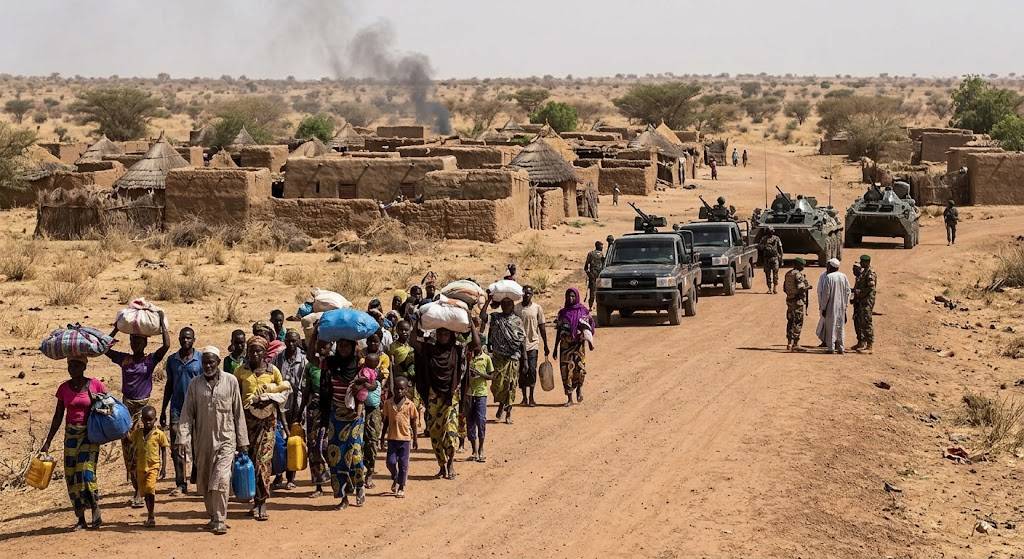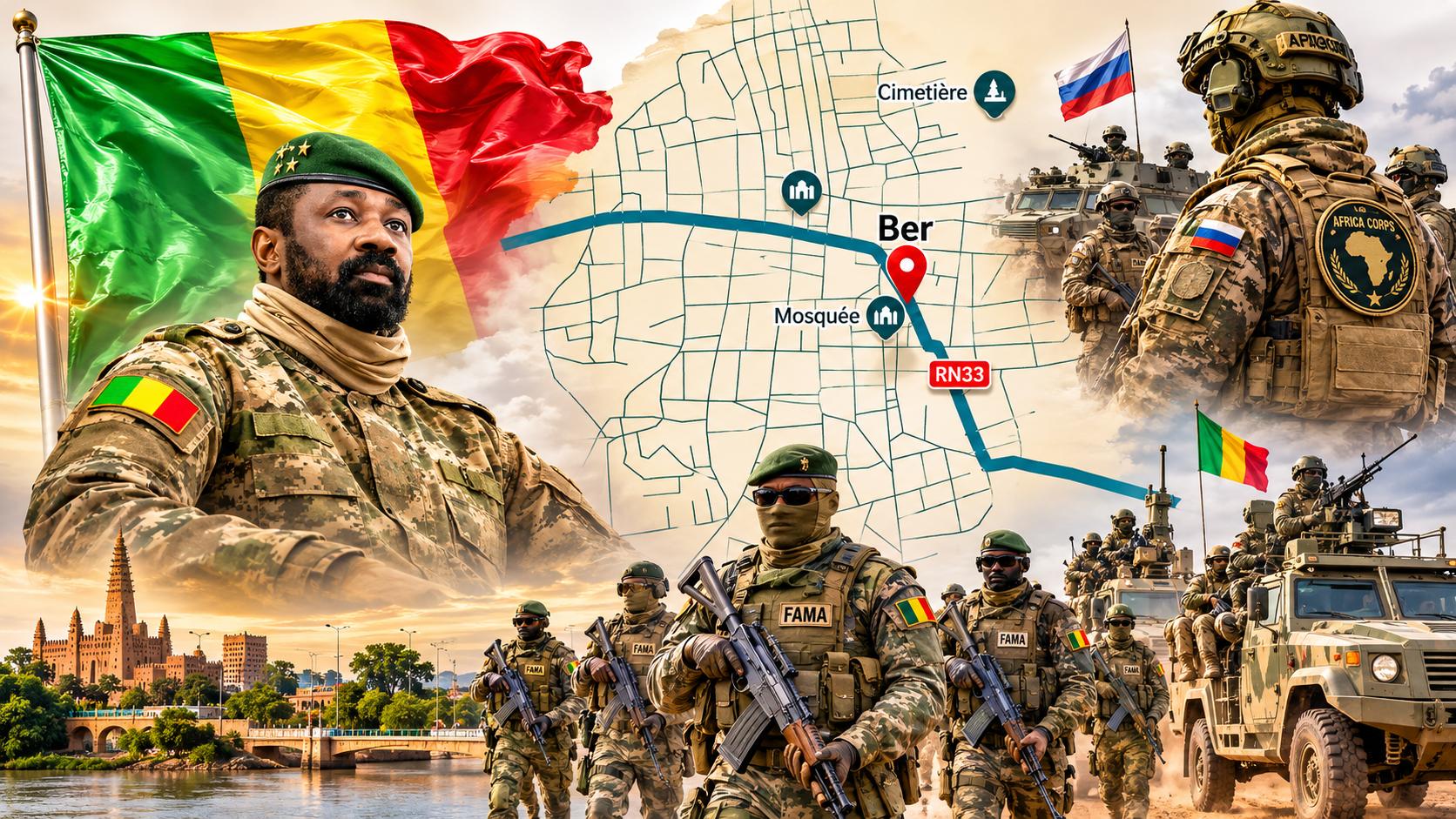
In the vast and arid landscapes of northern Mali, the town of Ber, near Tombouctou, has once again become a flashpoint in the country’s prolonged conflict. A military convoy comprising Malian armed forces (FAMa) and Russian fighters from the Africa Corps was ambushed this week, underscoring the persistent vulnerabilities along critical supply and movement corridors in the region.
The attack, which unfolded close to Ber, involved gunfire and improvised explosive devices (IEDs), a hallmark tactic of armed groups operating across Mali’s northern and central zones. While no official casualty figures have been released, the incident serves as a stark reminder of the challenges facing Bamako as it seeks to consolidate control over recaptured territories.
Ber: a strategic yet perilous crossroads
Ber has long been a contested zone in Mali’s security landscape. In 2023, the area witnessed intense clashes between government forces, jihadist factions, and armed movements, particularly during the phased withdrawal of the MINUSMA peacekeeping mission. The subsequent handover of former UN bases to Malian troops did little to quell the instability, as insurgents retained the ability to disrupt key routes.
Northern Mali’s vast expanse presents a formidable obstacle: controlling a city does not equate to securing the roads leading to it. Convoys traveling through these zones are frequently targeted by roadside mines, IEDs, small-arms fire, and coordinated ambushes. The ambush near Ber exemplifies this enduring threat, highlighting the difficulties faced by FAMa in sustaining territorial gains while preventing armed groups from regrouping in rural and desert areas.
Shifting alliances and evolving threats
The Malian government contends with multiple adversaries, including the JNIM, an Al-Qaeda-affiliated group that remains a dominant force in the north. Recent months have also seen a tactical alignment between the JNIM and the Front de Libération de l’Azawad (FLA), despite their ideological differences. This collaboration, though fragmented, has intensified attacks on Malian forces and their Russian allies, with casualty rates climbing sharply in early 2026.
The fragmentation of the security landscape complicates Bamako’s military strategy. No longer facing a single enemy, government troops must navigate a patchwork of jihadist cells, separatist factions, and community militias, each pursuing distinct objectives with shifting alliances. This complexity demands adaptive tactics and robust intelligence, resources that remain in short supply.
Russia’s Africa Corps: promises and pitfalls
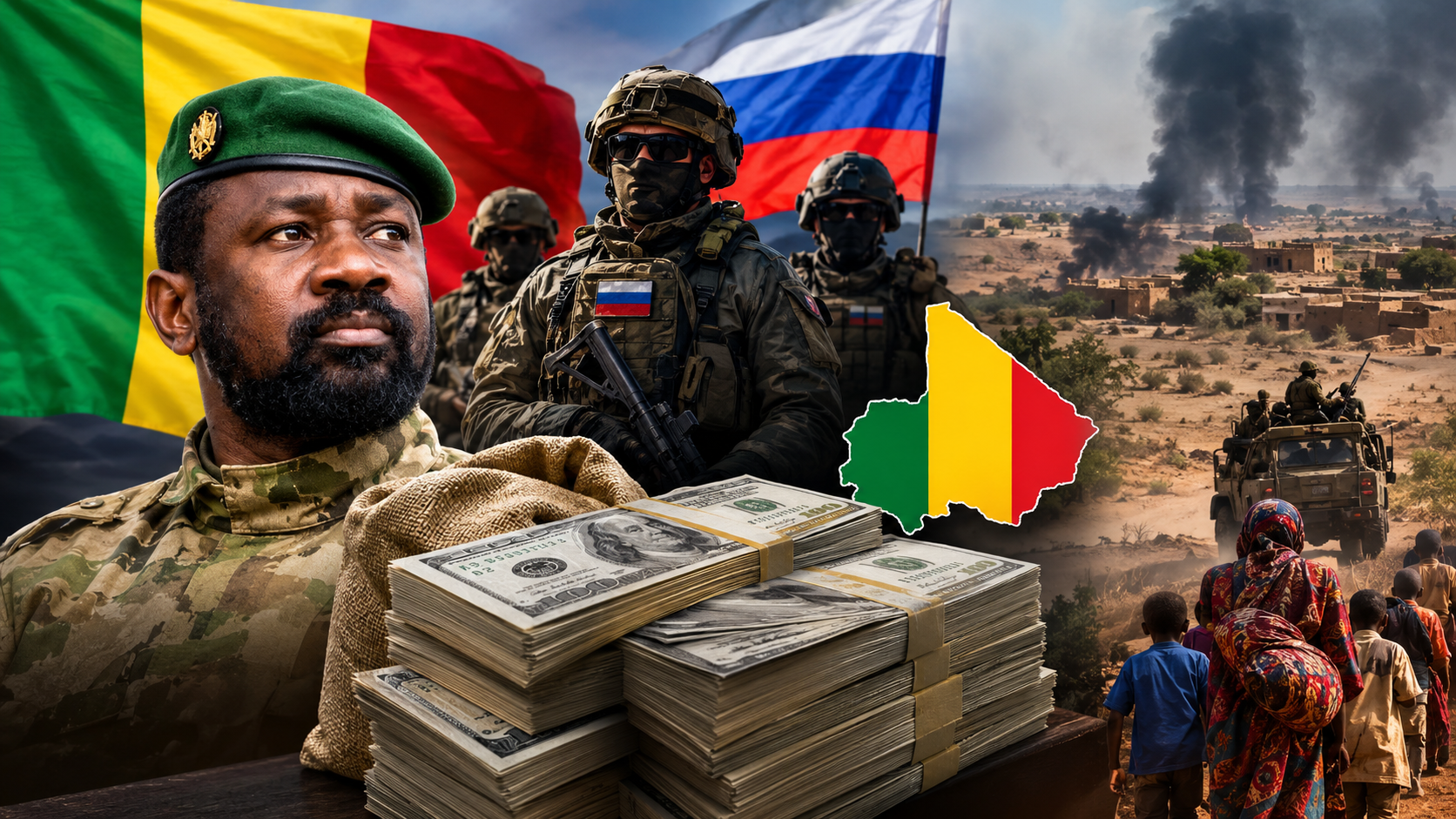
Since severing ties with several Western partners, Mali has pivoted toward a closer defense partnership with Russia. The Africa Corps, operating under the Russian Ministry of Defense, has taken over from the Wagner Group, collaborating with FAMa in key operational zones. Bamako frames this alliance as a step toward restoring national sovereignty and reducing dependence on external powers.
However, recent military setbacks—particularly in areas like Kidal and Anéfis—have exposed the limitations of this approach. The simultaneous and large-scale attacks in 2026 demonstrate that armed groups retain significant mobility and planning capabilities, often exploiting gaps in government control. The ambush near Ber is not an isolated incident but a symptom of a broader war that remains far from over.
Economic fallout: when insecurity cripples growth
The security crisis extends far beyond the battlefield, directly impacting Mali’s economy. Rich in natural resources like gold and lithium, Mali’s growth potential is frequently undermined by conflict, climate shocks, and global commodity fluctuations. In 2025, attacks on supply corridors disrupted fuel distribution, paralyzing transport, industry, agriculture, and even electricity production.
Economic growth, projected at 5% in 2026 by the World Bank, hinges on a fragile recovery in mining and agriculture. The International Monetary Fund anticipates a 5.5% growth rate, contingent on improved security and a rebound in gold production. Yet, the paradox is clear: Mali’s economic engines are powerful, but insecurity constantly threatens to stall them.
The gold sector, central to Mali’s economy, illustrates this dilemma. Resolving disputes between authorities and major producers in late 2025 has paved the way for resumed operations, with high gold prices expected to bolster public revenue and exports. However, mines and their supply routes remain vulnerable to armed groups, turning localized instability into a macroeconomic risk.
Societal strain: the human cost of a decade-long crisis
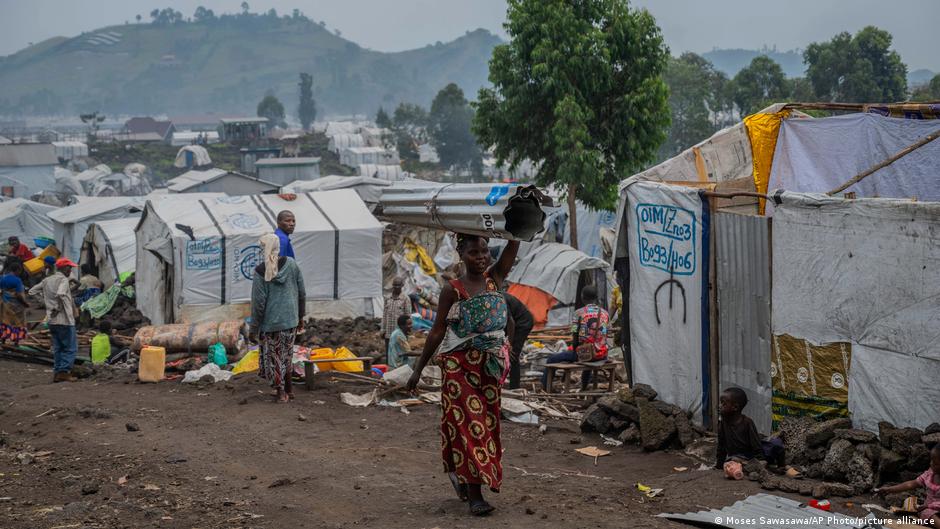
Behind the economic and military statistics lies a population grappling with the consequences of over a decade of conflict. Displacement, disrupted livelihoods, limited access to healthcare and education, food insecurity, and youth unemployment have created a multi-layered crisis. The World Bank estimates that 235,000 young Malians enter the job market annually, yet opportunities remain scarce, fueling frustration and instability.
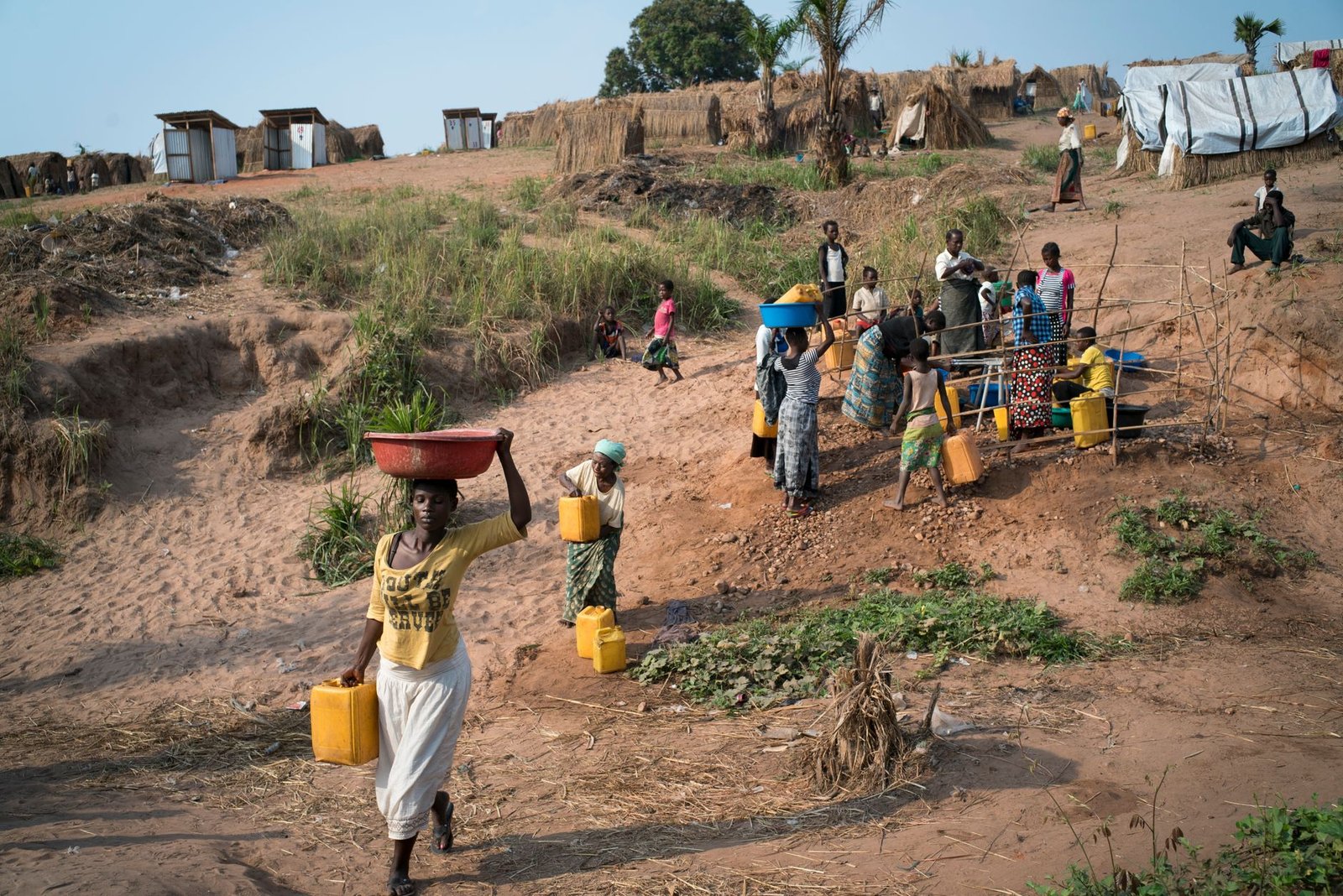
The impact of insecurity extends to rural communities, where roadblocks and ambushes disrupt trade, farming, and access to essential services. When a route is cut off, it is not just soldiers who suffer—farmers struggle to sell their crops, traders face delays, and rural populations lose access to critical resources. The social fabric of Mali is under strain, with the youth bearing the brunt of an economic system unable to absorb them.
The political dimension: sovereignty vs. stability
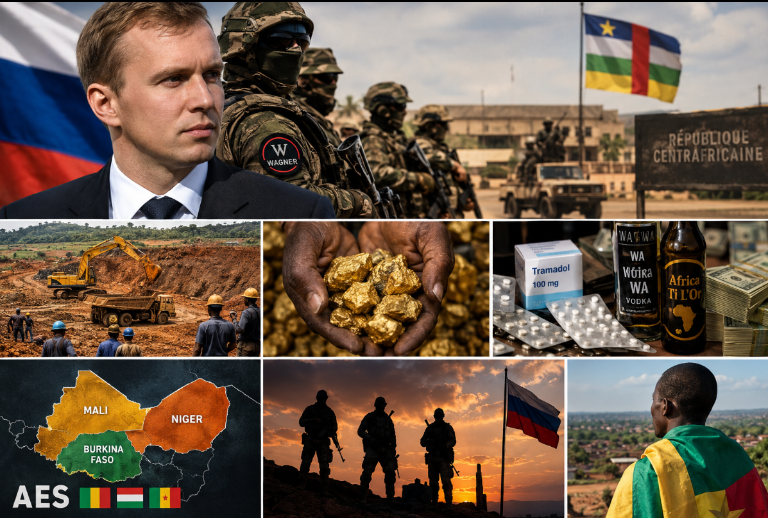
Mali’s security crisis unfolds against a backdrop of political transition. Following military coups in 2020 and 2021, the country remains under transitional leadership, with ongoing debates over the timeline and modalities of a return to civilian rule. Meanwhile, Bamako is pushing for greater regional autonomy through the Alliance of Sahel States (AES), alongside Burkina Faso and Niger. Joint initiatives in security, investment, and development finance reflect a shared vision of sovereignty.
This pursuit of autonomy carries significant responsibility. The withdrawal of former foreign partners and the embrace of new security alliances must deliver tangible stability. The ambush near Ber is a test of this strategy, revealing the persistent gaps in Mali’s ability to protect its people and infrastructure.
Ber’s warning: beyond the military struggle
The ambush near Ber is more than a tactical setback—it is a stark reminder of the challenges Mali faces in translating military gains into lasting stability. For Bamako, the true battle is no longer just about reclaiming territory or launching offensive operations. It is about ensuring that control over reclaimed areas translates into durable security for people, goods, and services.
In Mali, the fight for security is also a fight for economic survival and social cohesion. As long as roads remain vulnerable to ambushes and IEDs, rural areas stay beyond state control, and youth unemployment persists, the path to stabilization remains incomplete. The incident near Ber is a call to action—not just for soldiers, but for policymakers, economists, and communities alike. Peace in Mali will not be won solely on desert battlefields or in military barracks. It will be forged on the roads, in villages, schools, mines, and markets.