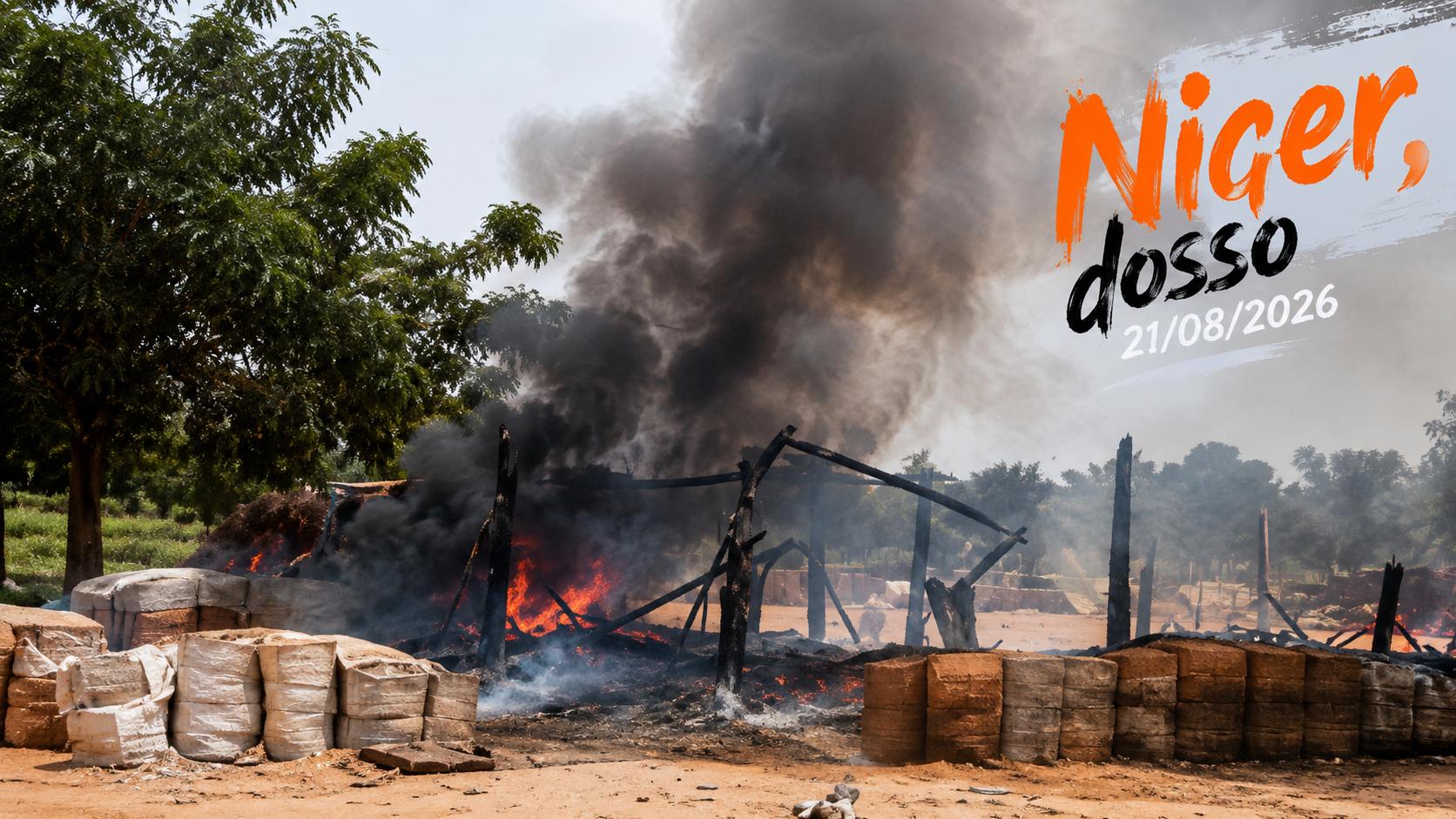
A shocking and unprecedented assault struck the rural commune of Tessa, located in the Dosso region of southwestern Niger, on Friday, August 21, 2026. According to local testimonies, 18 gendarmes were killed in an intense, coordinated attack carried out by heavily armed assailants. The assault also inflicted severe material damage and disrupted local economic activities across the area.
An extraordinary act of violence shakes Tessa
Tessa, a rural administrative center in the Dosso department, is home to several dozen villages and serves as a key local hub. It was here that the attack unfolded, described by witnesses as one of the most violent in recent years in the region.
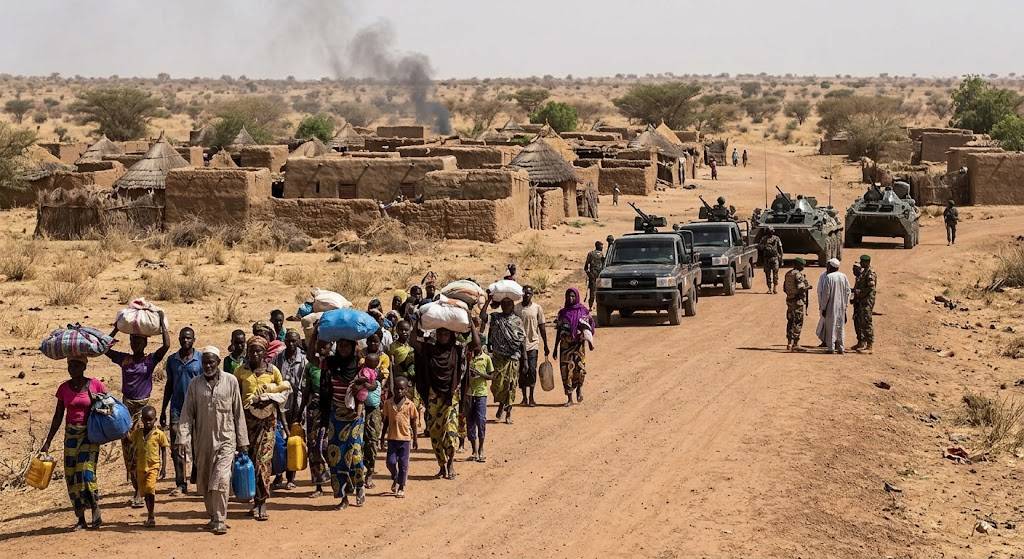
Local residents reported that the attackers arrived in large numbers, using a fleet of around ten motorcycles to stage the operation. Their primary target was the gendarmerie post in the area. What followed was a fierce firefight, culminating in the burning of the gendarmerie camp and the tragic loss of life among the security forces.
While local sources confirm a death toll of 18 gendarmes, authorities have yet to release an official statement. Until further verification is provided, this figure remains provisional and subject to confirmation through independent channels.
The shock and fear gripping the community
The attack sent shockwaves through the population of Tessa, leaving residents in a state of deep unease. Survivors described the assault as swift and brutally efficient, with the attackers deploying overwhelming firepower in a coordinated strike.
In a region already grappling with persistent security threats, such an attack threatens to erode public confidence in safety and stability. Security posts are not just military installations—they are lifelines for communities, enabling free movement, commerce, and access to essential services. The destruction of such a post thus carries consequences far beyond the immediate military loss, fostering a climate of vulnerability across the area.
The attackers’ use of motorcycles highlights the persistent challenges faced by security forces in rural zones. These vehicles allow armed groups to cover vast distances quickly, strike with precision, and vanish before reinforcements arrive, leaving local defenses stretched thin.
Local financial services targeted: a blow to the economy
This attack did not spare civilian infrastructure. Following the assault on the gendarmerie, the assailants turned their attention to financial service providers, notably raiding branches of Nita and Amana. These institutions, vital for rural economies, facilitate cash transfers and support daily transactions for families and businesses alike.
The looting of these agencies poses a severe threat to local economic stability. In rural Niger, where access to banking services is limited, these transfer points are critical for sustaining commerce and supporting households that rely on remittances from urban centers. Their disruption could force temporary closures, leaving residents struggling to access their funds and forcing businesses to reconsider their operations.
Economic ripple effects
The economic fallout from such violence is often immediate and far-reaching. Markets slow down, traders hesitate to stock goods, and transport services become more cautious. The looting of financial agencies risks accelerating this downward trend, compounding the challenges already faced by rural economies in Dosso.
Families relying on money transfers from relatives working in cities may find themselves cut off from vital financial support, further straining livelihoods. The psychological and financial toll on the community is likely to linger long after the physical damage is assessed.
A region at a crossroads: Dosso under the spotlight
While the Dosso region has not traditionally been at the forefront of Niger’s security crisis, its strategic location and evolving threat landscape have made it increasingly vulnerable. The attack on Tessa, if confirmed, signals a dangerous escalation—one that underscores the ability of armed groups to strike in areas perceived as less fortified than major urban centers.
The mobility of the attackers presents another significant challenge. Motorized units allow armed groups to infiltrate, strike, and retreat before security forces can respond effectively, exploiting the vast, open spaces that characterize rural Niger.
For authorities, the task is twofold: safeguarding civilian lives and preventing rural areas from becoming safe havens or launching pads for armed factions. Strengthening security presence without stifling economic activity will be a delicate balance to strike.
Unanswered questions and urgent priorities
As the dust settles, several critical questions remain unanswered. Who were the attackers? To which group do they belong? How many assailants were involved in the operation? Were there any casualties on their side? Did security forces deploy reinforcements in the aftermath? Officials have yet to provide clarity on these points.
Most pressing is the need to verify the death toll among the gendarmes. Early reports, while valuable, can be incomplete or subject to change as identification and recovery efforts progress. An official confirmation is essential to fully understand the scope and nature of the attack.
A community facing dual uncertainty
The attack on Tessa raises broader concerns about the ability of rural populations to maintain normal economic and social life amid escalating insecurity. The destruction of a security post and the targeting of financial services strike at two pillars of local stability: safety and economic continuity.
For residents, the immediate priority is restoring a sense of security that will allow daily life and commerce to resume. For authorities, the challenge lies in reinforcing protection measures while mitigating the long-term economic repercussions of the assault.
If confirmed, the attack in Tessa represents a grave escalation in Niger’s security crisis. With 18 gendarmes killed, a gendarmerie camp burned, and financial agencies looted, the human and economic toll extends far beyond the military sphere. It serves as a stark reminder of how insecurity directly disrupts lives, livelihoods, and the very fabric of communities.
In the absence of official confirmation regarding the human toll and the exact sequence of events, Tessa remains mired in uncertainty. The coming days will be critical in securing the area and restoring economic activity—two essential steps toward rebuilding the trust and stability of its people.