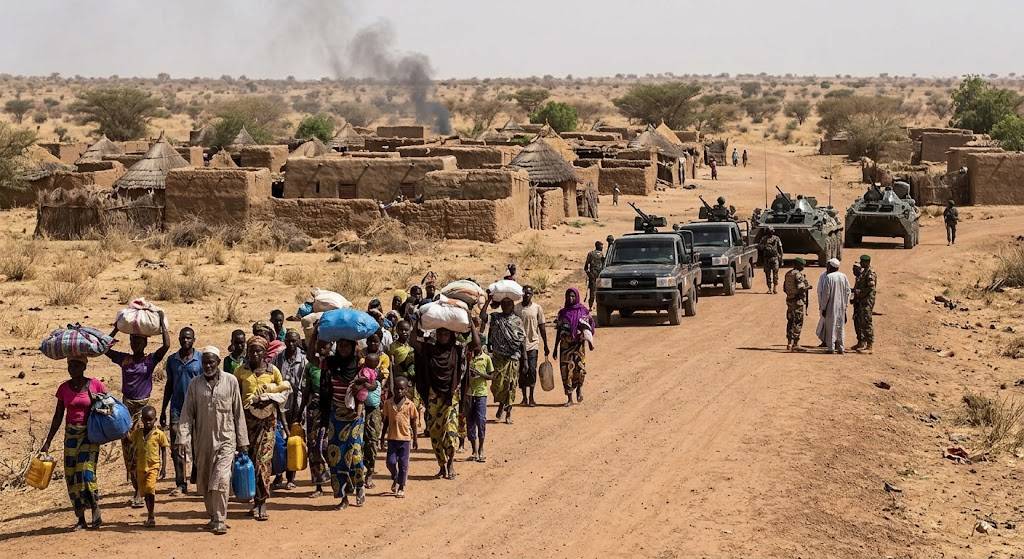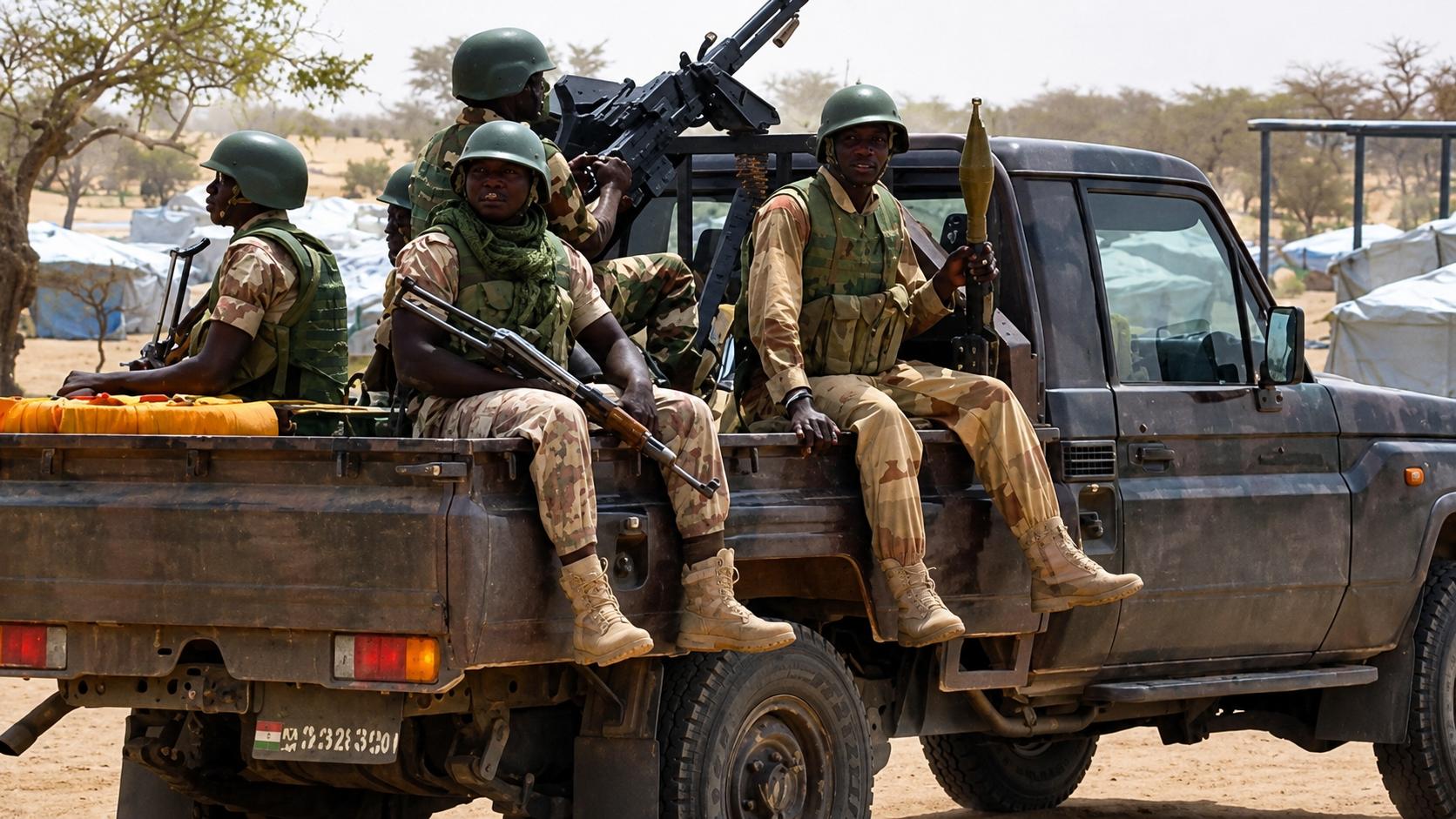
A detachment of Niger’s Defense and Security Forces (FDS) faced a devastating ambush on Friday, July 17, 2026, within the Tillabéri region. The nation mourns the loss of sixteen soldiers, with twenty-three others sustaining injuries in the large-scale assault.
The Nigerien Ministry of National Defense confirmed the severe attack, which unfolded in the Téra department, a critical area within the Tillabéri region often referred to as the “three borders zone.” Among the injured, nine required immediate emergency evacuation to the military hospital due to the critical nature of their wounds.
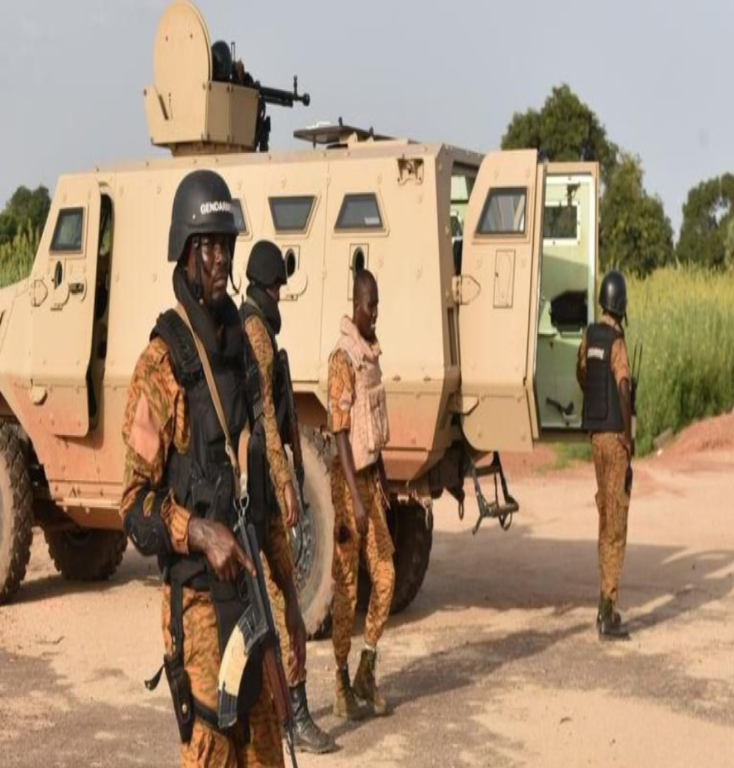
The incident occurred along the vital road connecting Bankilaré to Téra, specifically near the village of Doungouro. Military authorities reported that the FDS detachment, engaged in an administrative liaison mission, was subjected to a “complex attack.” This sophisticated assault involved the detonation of improvised explosive devices (IEDs) followed by intense gunfire from armed groups.
In their robust counter-response, Nigerien forces successfully neutralized fifteen assailants. Furthermore, they managed to destroy or recover approximately ten motorcycles along with various pieces of light military equipment. Immediately following the engagement, extensive air and ground sweep operations were initiated across the area to track down and apprehend the remaining fleeing attackers.
The porous frontier: A persistent security vulnerability in the three borders zone
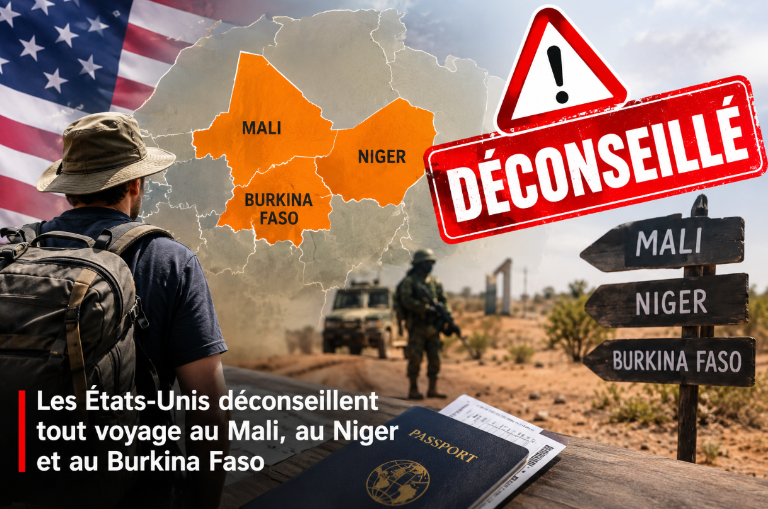
The tragic ambush near Téra starkly underscores how the persistent terrorist attacks plaguing Niger are intimately linked to the highly permeable nature of the “three borders zone.” In this expansive territory, where the official boundaries between Niger, Mali, and Burkina Faso often exist more in theory than in practice, armed groups such as the Islamic State in the Greater Sahel (EIGS) and Jama’at Nusrat al-Islam wal-Muslimin (JNIM) exploit this fluidity. They leverage the territorial discontinuity to evade military pressure from one state by seamlessly relocating to a neighboring country.
This unrestricted cross-border movement, coupled with vast, challenging bush areas that conventional forces struggle to patrol effectively, provides these terrorist organizations with a perpetual logistical sanctuary. For effective security in the Sahel and to genuinely control this strategic choke point, a unified, transnational technical cooperation is imperative. Until the security response transcends political boundaries and embraces a truly borderless approach, effective control will remain elusive for the armies of the Alliance of Sahel States (AES).