From stability to struggle: Burkina Faso’s evolving challenges
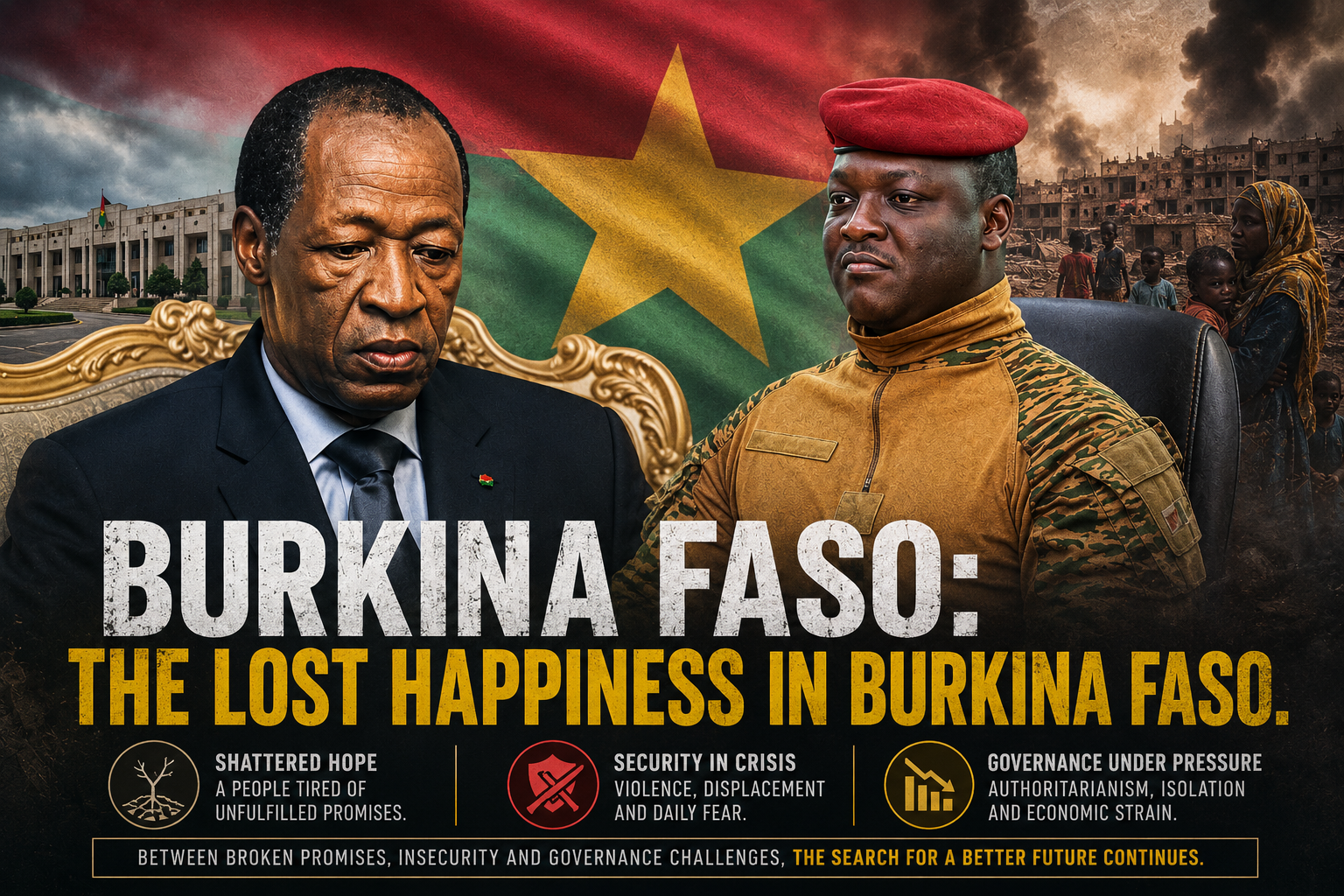
For decades, Burkina Faso stood out in the Sahel region not for its crises, but for its relative stability. Under former President Blaise Compaoré, the country navigated political tensions while maintaining a fragile peace. Critics argued that his rule stifled democracy, centralized power, and restricted political freedoms. Yet, despite these shortcomings, one undeniable reality persisted: citizens could still move, work, and live without constant fear of violence.
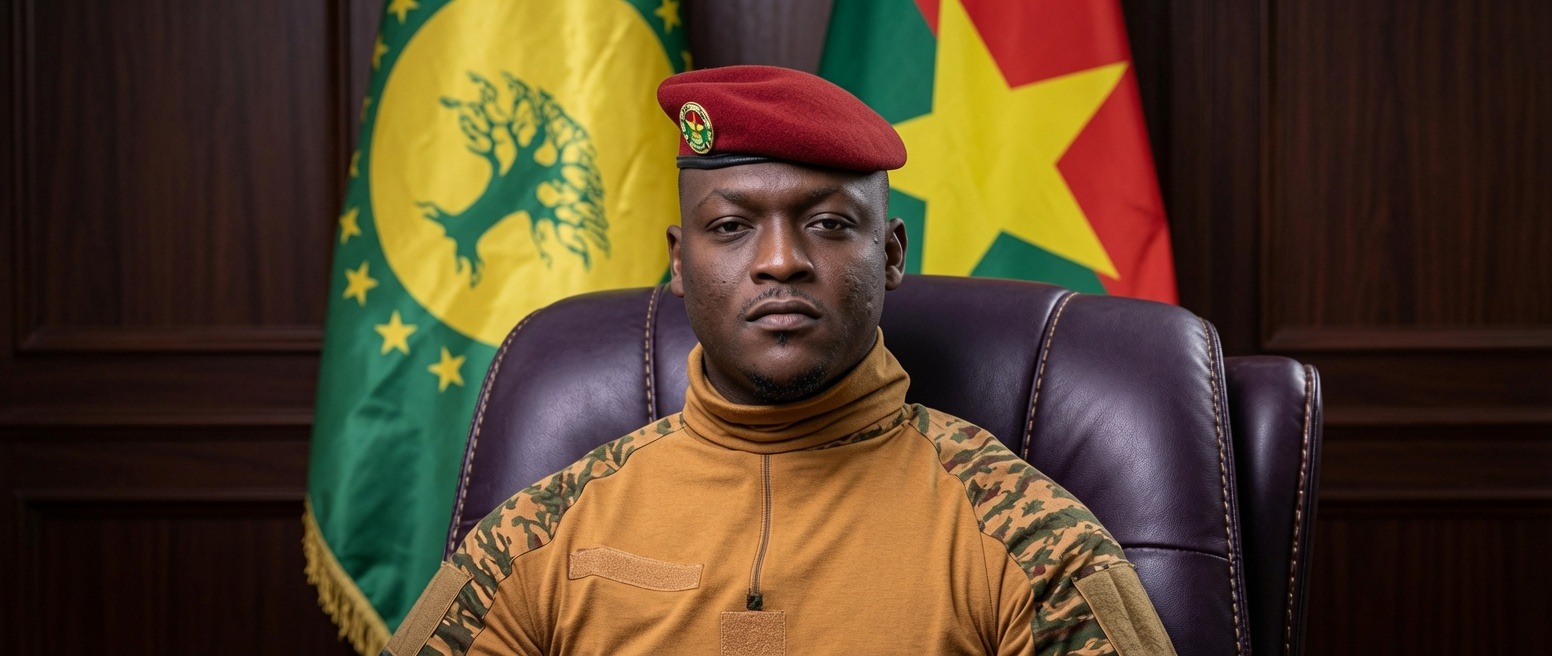
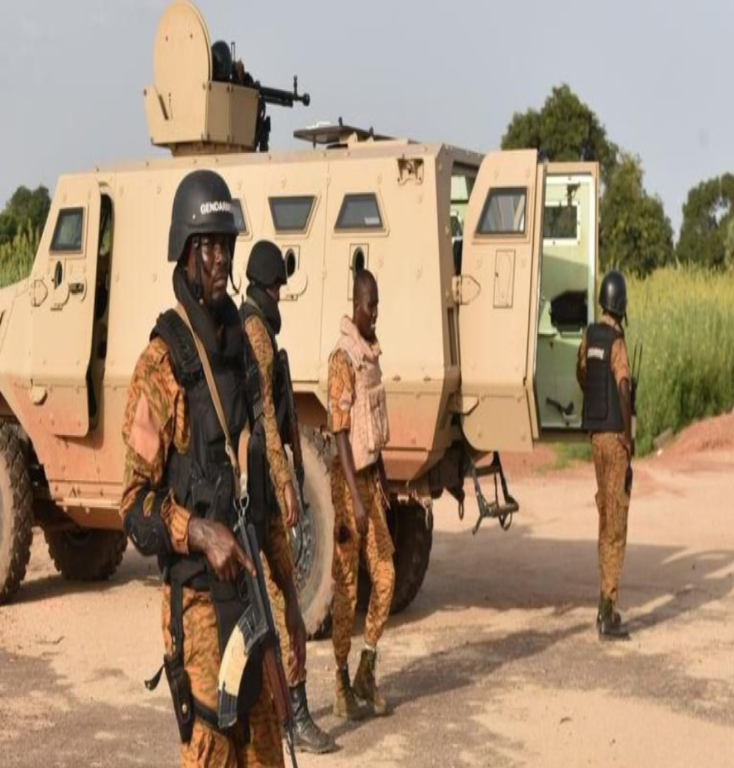
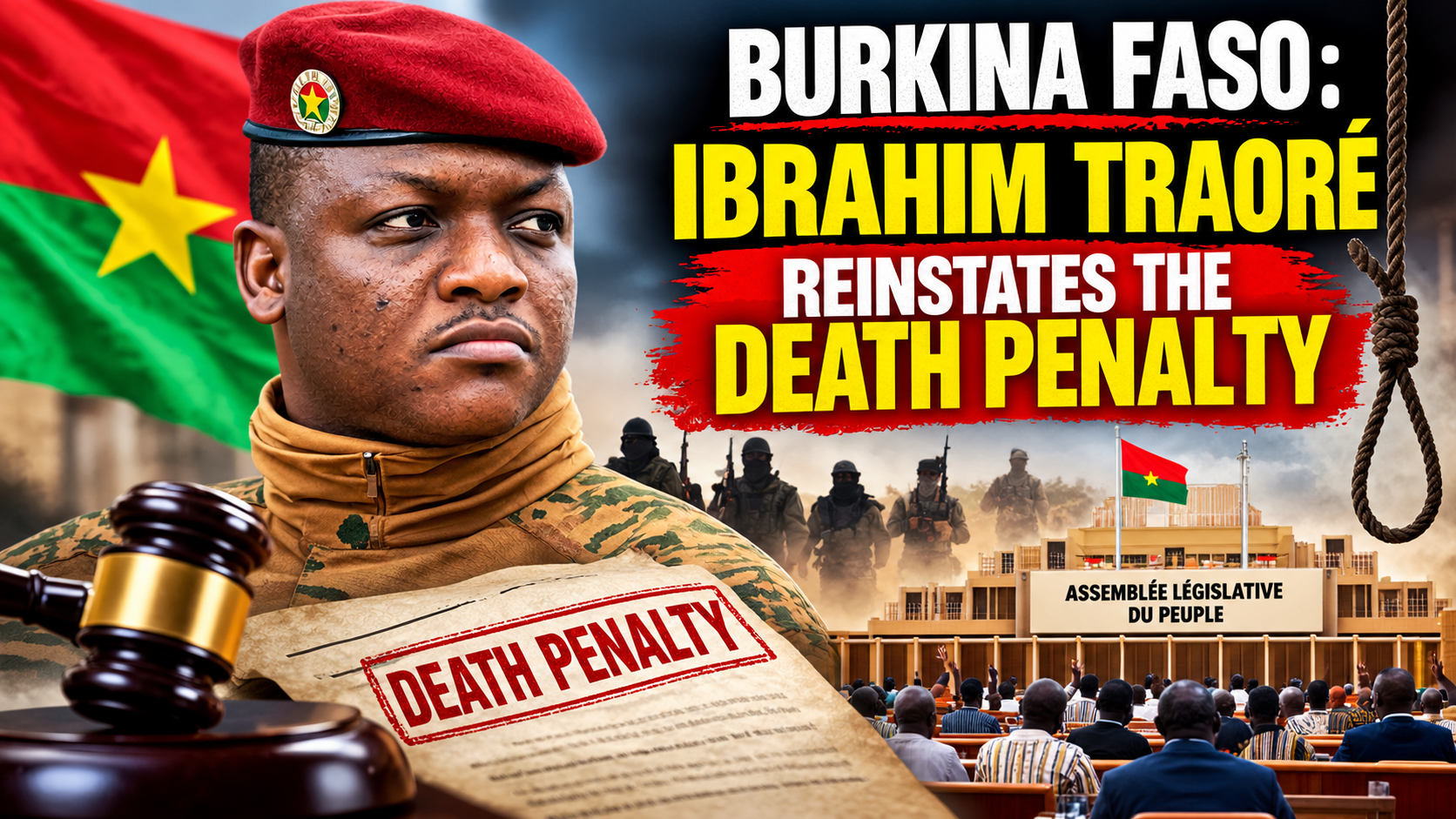
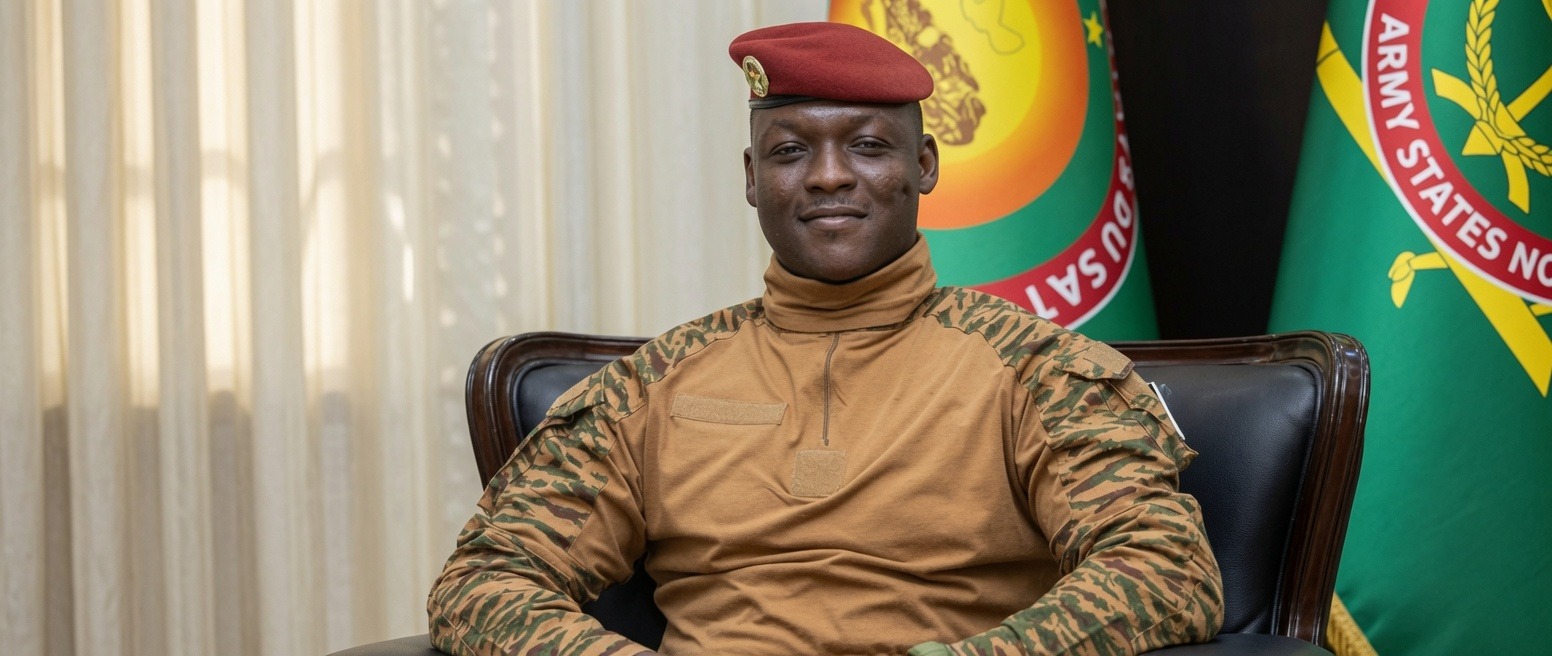
Then came the shift. Terrorism, which had already destabilized neighboring countries, began to take root in Burkina Faso. The security landscape deteriorated rapidly, culminating in the military takeover that brought Captain Ibrahim Traoré to power. The new leadership promised decisive action—reclaiming lost territories, restoring national sovereignty, and crushing armed groups. But years later, the results remain mixed.
Military victories vs. daily realities
Official statements frequently highlight successful military operations, portraying progress in the fight against insurgents. Yet, on the ground, the story is far less reassuring. In many regions, attacks persist, roads remain perilous, and entire communities feel abandoned by the state. The disconnect between military announcements and civilian experiences has fueled frustration among the population, who question whether security is truly improving.
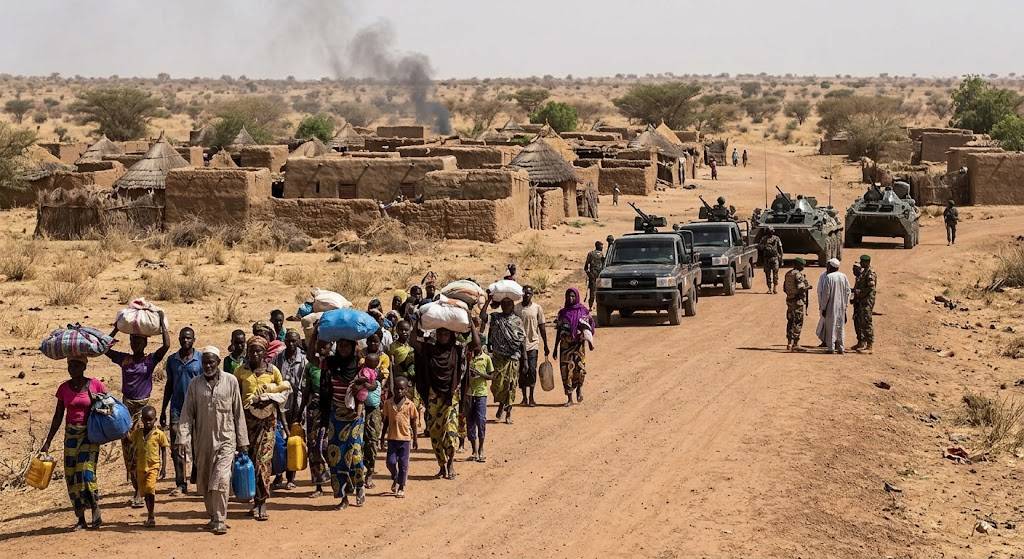
The most striking evidence of this failure isn’t just the continued violence—it’s the exodus of Burkinabè families. Thousands are leaving their homes, abandoning farms and businesses, not by choice, but out of necessity. Some seek safety within Burkina Faso’s borders, while others flee to neighboring countries. This mass displacement is a damning indictment of the government’s inability to protect its people.
Sovereignty through action, not words
Captain Traoré’s administration has championed themes of sovereignty, rejecting past alliances and urging national pride. These messages resonate with segments of the population, particularly those disillusioned by foreign influence. But sovereignty, in its truest sense, means more than defiance—it means the state must deliver on its most fundamental duty: ensuring the safety of its citizens.
This expectation has placed the government under scrutiny. Many who once fiercely opposed Compaoré’s rule now scrutinize Traoré’s performance with a different lens. The double standard in public discourse has deepened skepticism, leaving many to wonder why some leaders face harsher judgment than others for similar failures.
What defines a nation’s well-being?
The true measure of Burkina Faso’s success—or failure—lies not in political rhetoric or symbolic gestures, but in tangible outcomes. Are villages safe? Are markets bustling? Are roads secure? Are families able to plan for the future without fear? These are the questions that matter most to ordinary Burkinabè.
Until these conditions are met, the debate over Ibrahim Traoré’s leadership will persist. History rarely remembers the speeches of the day; it judges leaders by their actions. And for the people of Burkina Faso, the most urgent demand remains unchanged: the right to live in dignity, free from the shadow of violence.