Bamako’s organic markets thrive with local and fair trade focus
In Bamako, the capital of Mali, a growing number of consumers are turning their backs on mass-produced food in favor of organic, locally sourced products. At the heart of this movement is the Resapac network, a collective initiative dedicated to fostering short supply chains and responsible consumption for over a decade.
Resapac brings together farmers, processors, and buyers in a transparent and collaborative framework. By prioritizing direct connections between producers and urban consumers, the network promotes sustainable agriculture that respects both people and the planet. This approach not only ensures access to healthier food but also guarantees fair compensation for those who cultivate it.

For consumers, joining this network means more than just purchasing food—it means becoming an active participant in a system that values transparency and quality. Buyers can trace every item back to its source, from the field to the market stall, gaining full insight into how their food is grown and handled.
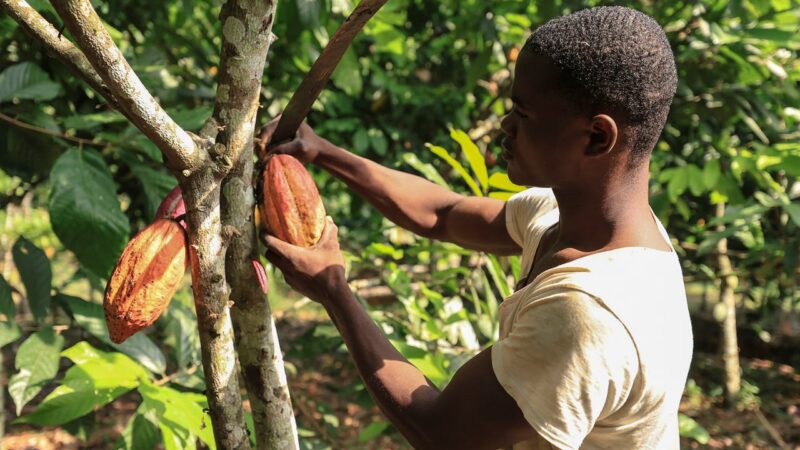
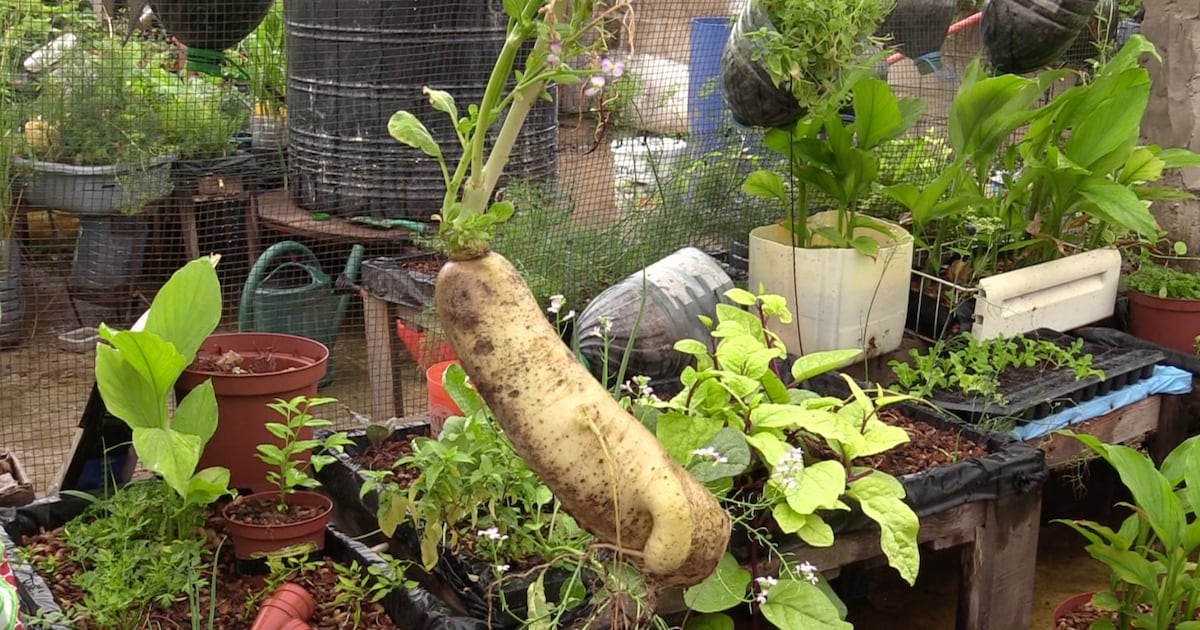
Abdoulaye Sacko, a vegetable farmer and Resapac member, has seen firsthand the benefits of organic farming. “My crops are entirely chemical-free, relying solely on organic inputs,” he explains. “Since joining the network, my income has improved, and I’ve noticed a stronger demand for my produce.” His experience reflects the network’s core mission: empowering small-scale farmers while meeting the rising demand for clean, locally grown food.
Djènèba Diallo, coordinator of Resapac’s Bamako markets, has witnessed the network’s remarkable growth. “When we started, we operated just one weekly market in Sotuba. Today, Resapac manages four thriving locations across the city: Sotuba, Badalabougou, Magnambougou, and Hippodrome.” Each market serves as a hub where producers and consumers connect, ensuring fresh, high-quality organic products reach city dwellers without unnecessary intermediaries.
For Djènèba, the difference between conventional and organic produce is stark. “Conventionally grown fruits and vegetables spoil quickly, often within a day. Organic produce, on the other hand, stays fresh much longer, proving its superior quality.” This durability, combined with the network’s transparent supply chain, has earned the trust of Bamako’s health-conscious shoppers.
The success of Resapac highlights a broader shift in Mali, where short supply chains are gaining momentum. Producers and consumers alike are embracing models that prioritize food safety, fair wages, and environmental stewardship—proving that sustainability and profitability can go hand in hand.