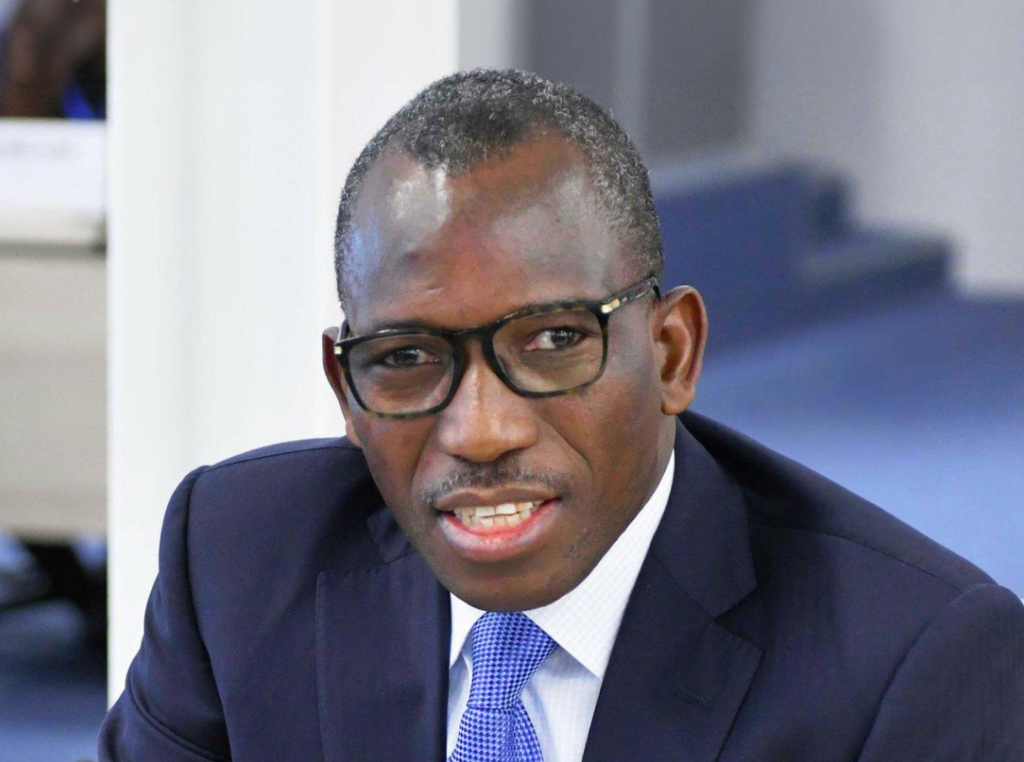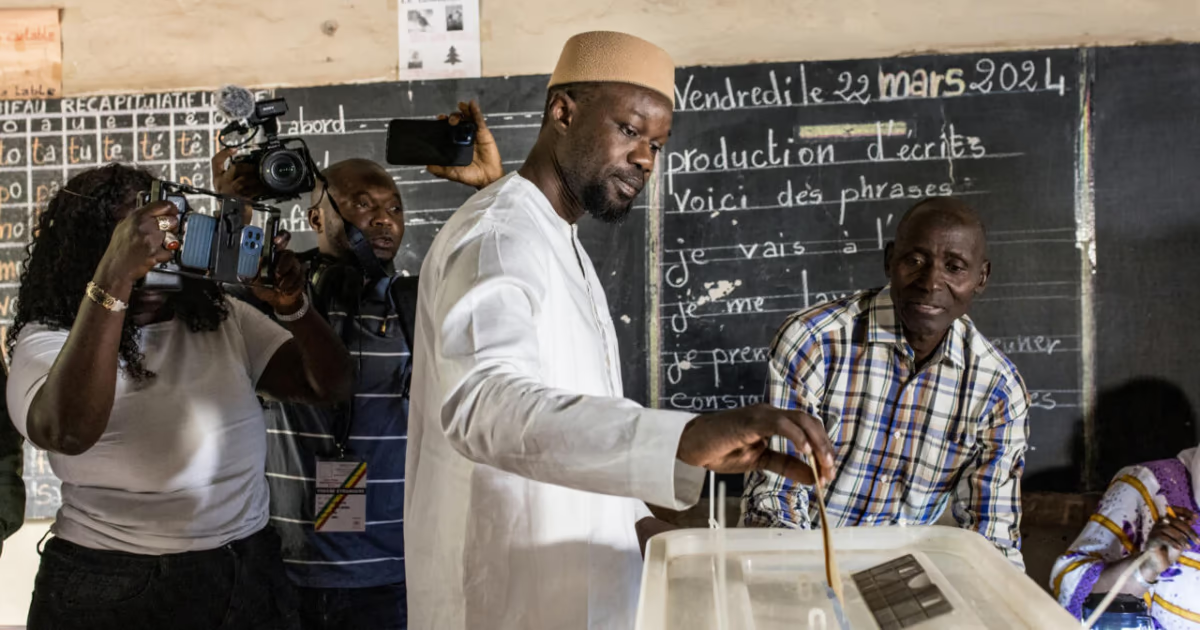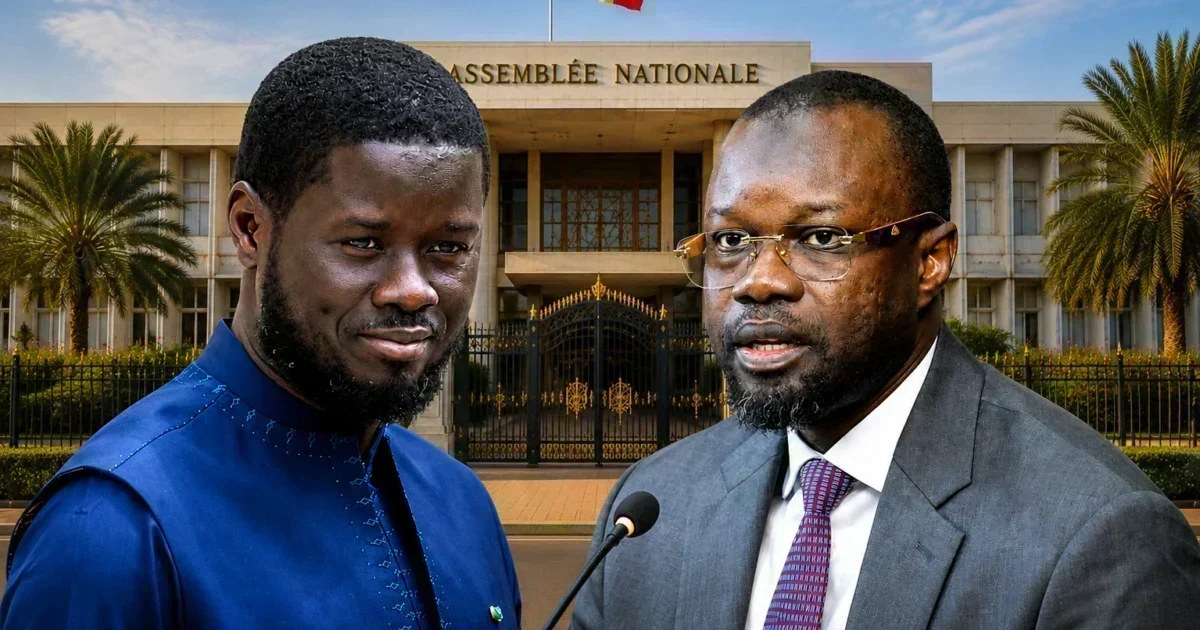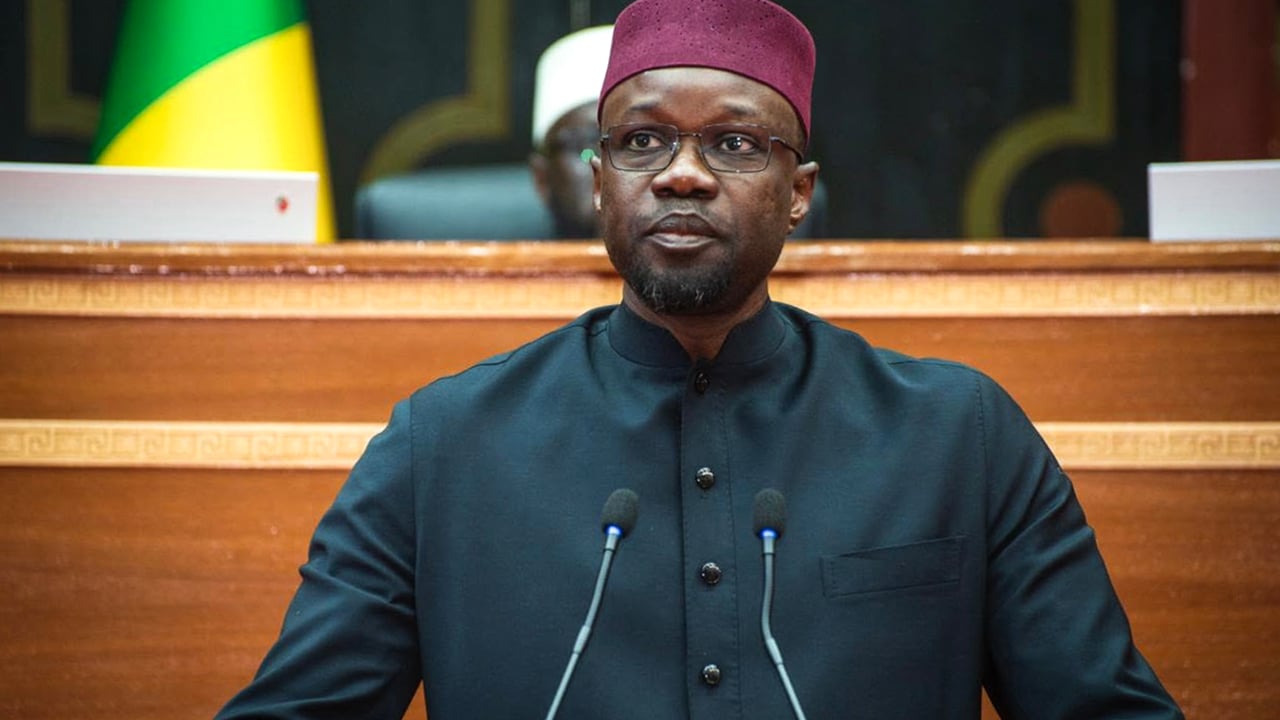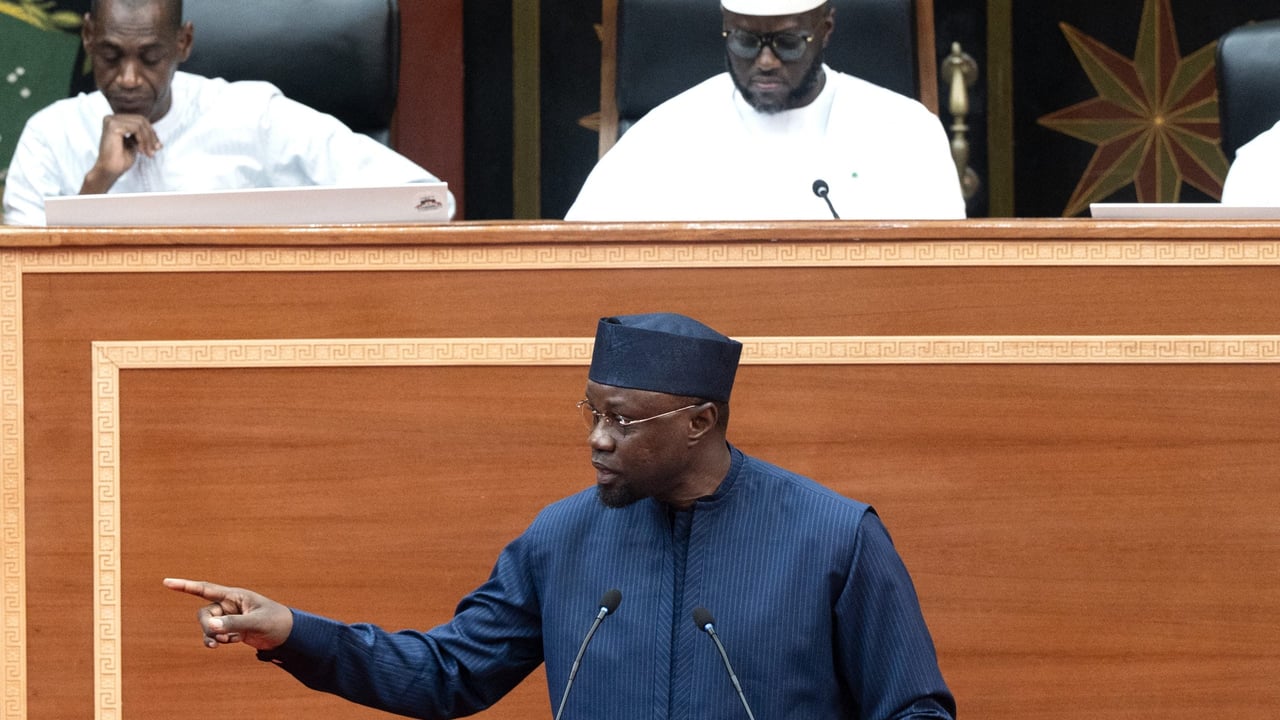
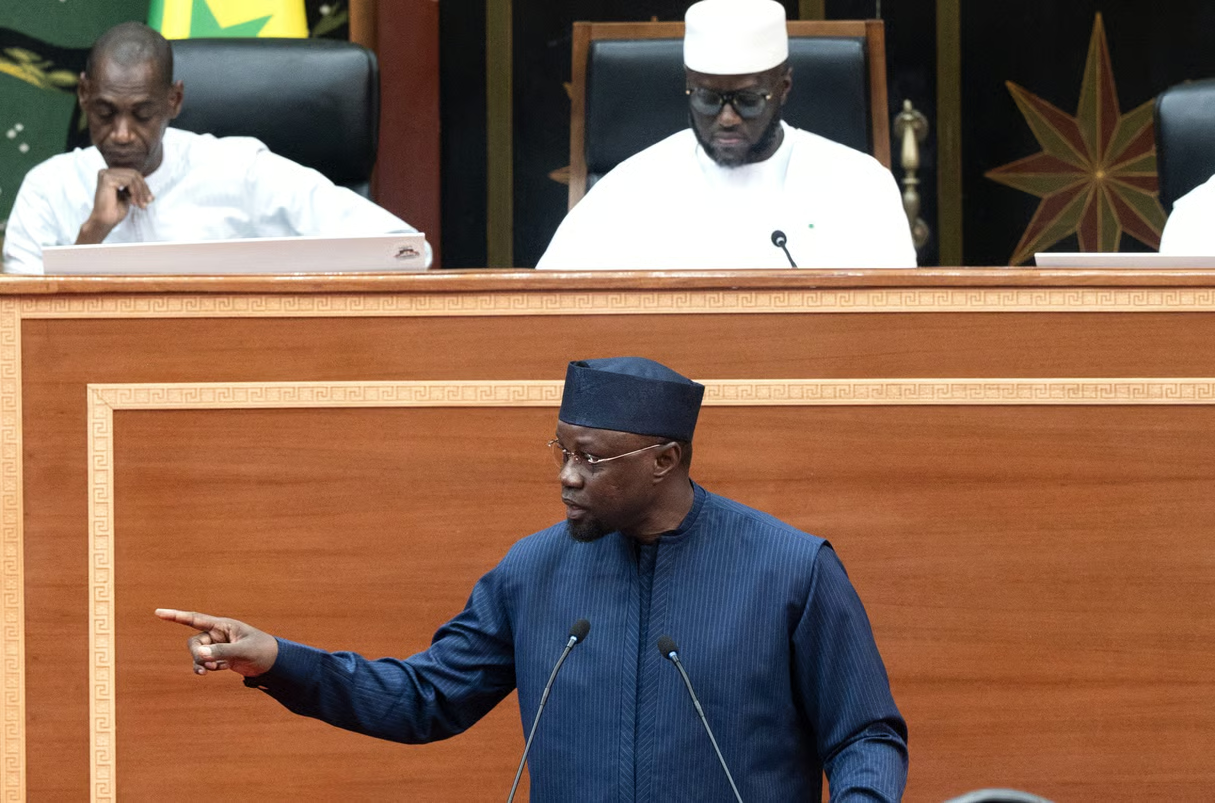
The Senegalese Prime Minister, Ousmane Sonko, has sharply criticized Western nations for what he describes as an attempt to force homosexuality and LGBTQ+ rights onto the global stage.
In a passionate address to the National Assembly in Dakar, Sonko emphasized that Senegal, along with many other African nations, remains firmly opposed to the normalization of same-sex relationships. He argued that these Western-driven agendas disregard the cultural and religious values deeply rooted in Senegalese society.
Sonko’s remarks come amid growing tensions between African governments and international organizations over human rights issues, particularly those related to sexual orientation and gender identity. While some African leaders advocate for progressive policies, Senegal has consistently maintained its conservative stance on LGBTQ+ matters.
The Prime Minister’s speech highlighted concerns that foreign pressure could undermine national sovereignty and traditional beliefs. He stated that Senegal will continue to uphold its laws and cultural norms, resisting any external attempts to impose values that conflict with its societal framework.
This declaration underscores the broader debate across Africa, where many nations are grappling with balancing global human rights expectations against deeply ingrained cultural and religious principles.
Key takeaways from Sonko’s speech:
- Rejection of Western pressure: Sonko condemned efforts by Western countries to impose LGBTQ+ rights agendas on Senegal.
- Cultural sovereignty: He stressed the importance of preserving Senegal’s cultural and religious values in the face of external influences.
- Legal consistency: The Prime Minister reaffirmed Senegal’s commitment to its existing laws regarding LGBTQ+ issues.
- National unity: His remarks resonated with a significant portion of the population, reinforcing national cohesion on this sensitive issue.
The Prime Minister’s stance reflects the ongoing struggle in many African nations to navigate the complexities of human rights advocacy while safeguarding cultural identity and national sovereignty.