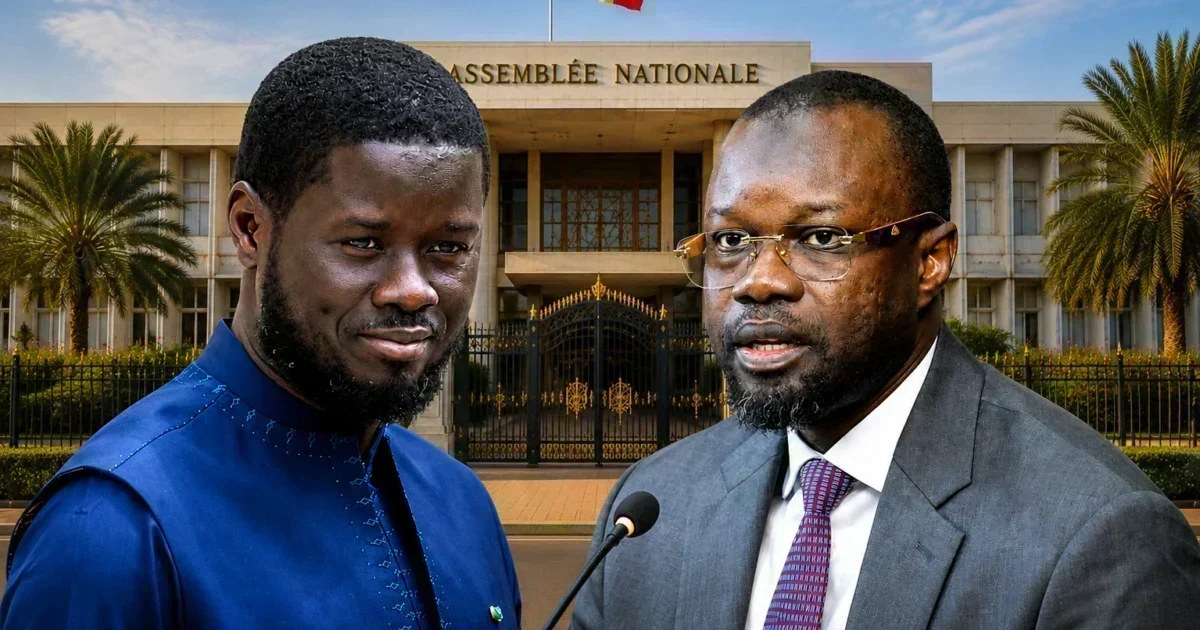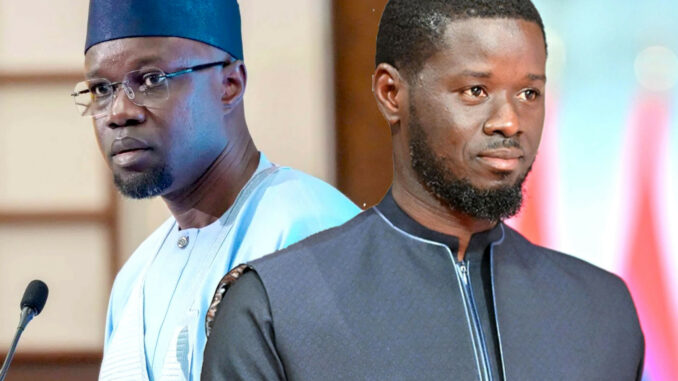
In Senegal, a pivotal political chapter begins this week, spotlighting the delicate balance of power between President Bassirou Diomaye Faye and Prime Minister Ousmane Sonko. As the nation watches closely, the two leaders navigate their distinct political agendas against a backdrop of heightened expectations and scrutiny.
A national dialogue initiative
Starting May 21, President Faye embarks on an extensive round of consultations with key stakeholders nationwide. Over the course of ten days, political parties, civil society groups, religious leaders, and traditional authorities will engage in a dialogue designed to foster unity and collective decision-making. This initiative marks a departure from the previous administration’s approach, replacing a single annual dialogue session with a more dynamic and inclusive process.
While the move is framed as a commitment to openness, critics argue it lacks genuine inclusivity, particularly concerning electoral and institutional reforms. The opposition contends that meaningful consultation should precede, rather than follow, major policy shifts, raising questions about the government’s transparency.
Diverging narratives at the parliamentary stage
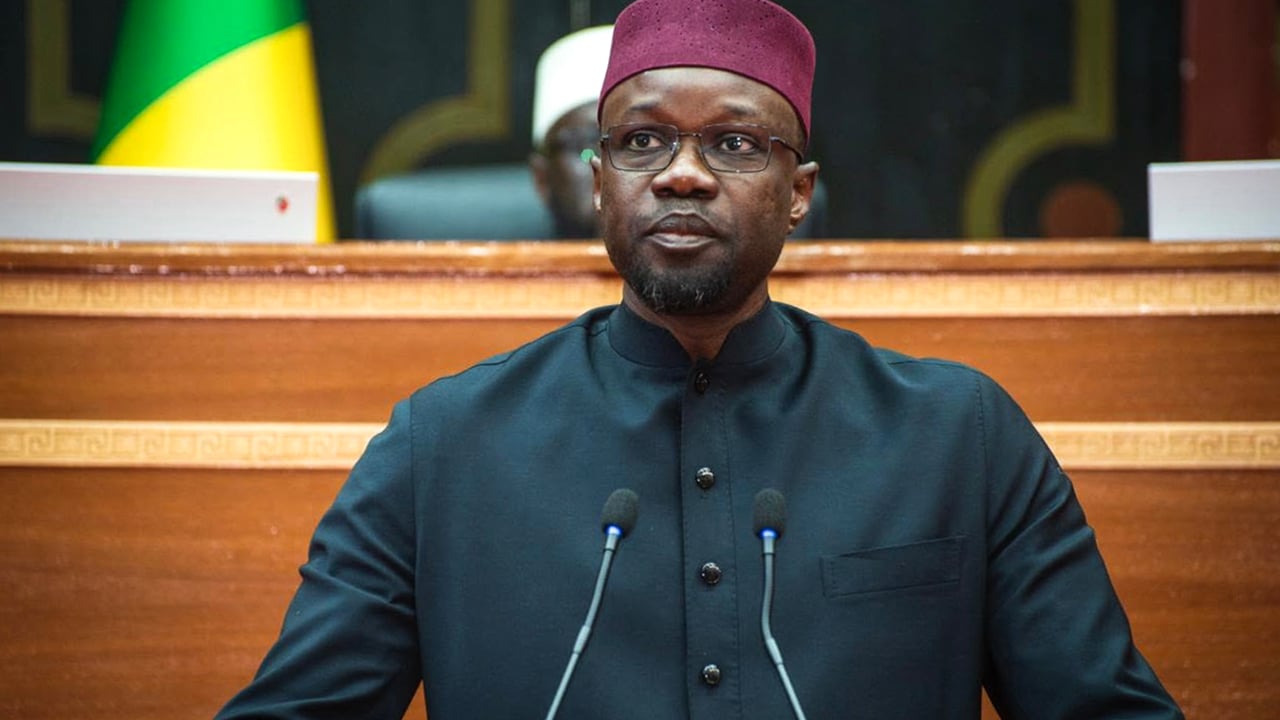
Meanwhile, Prime Minister Sonko is scheduled to address lawmakers during a high-profile parliamentary session. Though formally part of the legislative calendar, the timing of his address has fueled speculation about the evolving dynamics between the presidency and the prime minister’s office. Observers note that both leaders are strategically positioning themselves in the political and media landscape, which has led to perceptions of competing narratives.
Political analysts highlight the delicate task of balancing individual ambitions with collective governance. Some suggest that stronger alignment between the executive branches could mitigate concerns about disjointed messaging at the highest levels of government.
Examining the power equation
Since assuming office, the relationship between President Faye and Prime Minister Sonko has been a recurring subject of debate. Questions persist about how authority is distributed within the administration, particularly as both figures command significant influence. Their interactions—whether collaborative or contentious—continue to shape Senegal’s political trajectory, with implications for stability and reform.